Portable High-Pressure Bike Pump: Presta, Schrader & More
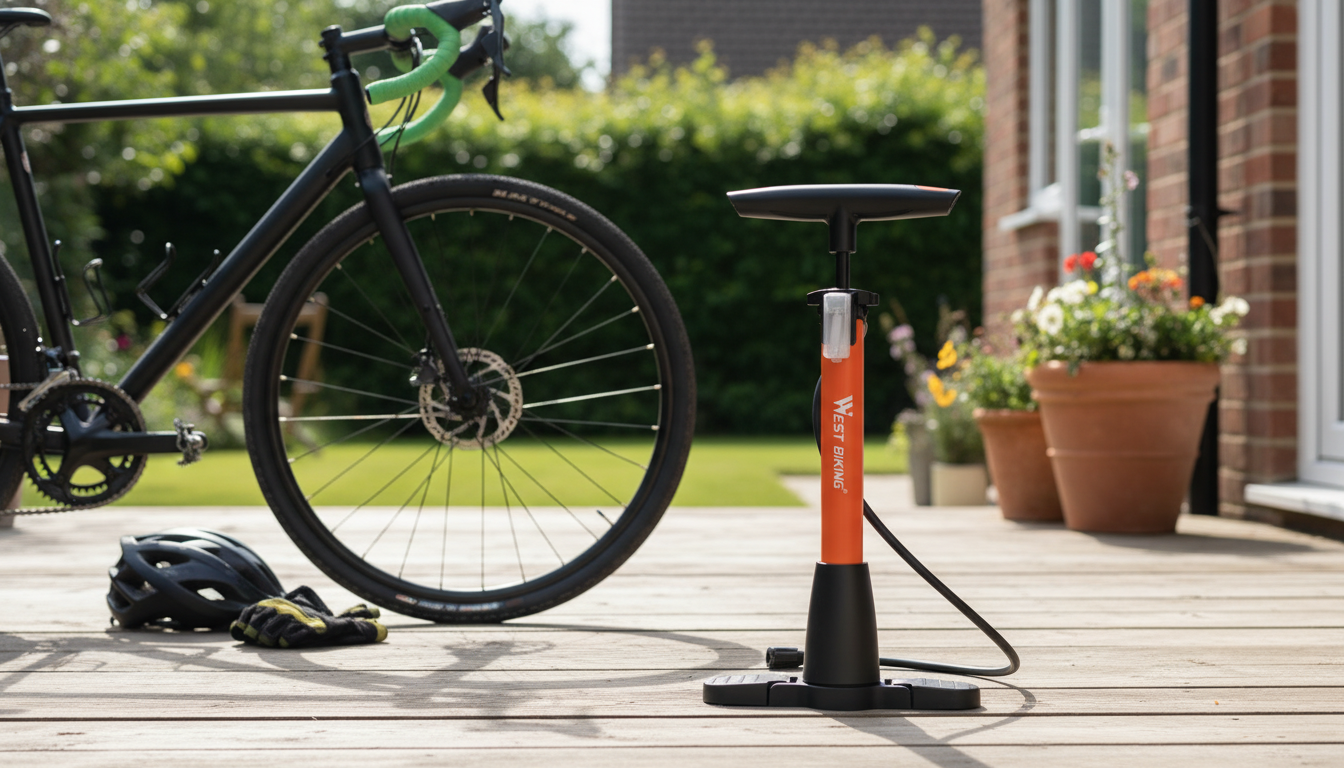
Portable High-Pressure Bike Tire Pump for All Valve Types
A compact pump that reaches higher pressures and fits multiple valve standards can be the difference between finishing a ride and calling for a pickup. The right portable high-pressure bike pump helps you dial in tire feel, reduce pinch-flat risk, and handle roadside fixes without relying on a shop compressor. Below is a practical breakdown of what “high-pressure” means, how all-valve heads seal on Presta/Schrader/Dunlop, and how to inflate quickly without damaging tubes or wasting effort.
What “high-pressure” means for bike tires
High-pressure capability matters most for road bikes, some gravel setups, and any narrower tire where a few PSI can noticeably change handling and comfort. A portable pump that can climb into higher PSI ranges is especially useful when you’re trying to restore rideable pressure after a puncture repair rather than just “getting some air in.”
For wider MTB tires, maximum PSI is less important than how much air you move per stroke. A compact high-pressure pump can still inflate an MTB tire, but expect more strokes—especially if you’re seating a tubeless setup or bringing a large-volume tire back from near-flat.
Accuracy also matters. A built-in gauge (or reliable compatibility with one) helps avoid underinflation (more pinch-flat risk and squirmy cornering) and overinflation (reduced traction, harsh ride, or in extreme cases a blow-off). Pressure targets depend on rider weight, tire width, rim type, casing, and terrain—always follow tire sidewall limits and any rim/tire system guidance. For deeper background on sizing standards and fit, the ETRTO/ISO standards reference is a helpful starting point: https://www.etrto.org/.
Typical pressure ranges by bike type (general guidance)
| Bike setup | Common tire width | Typical PSI range | Pump priority |
|---|---|---|---|
| Road | 23–32 mm | 70–110 | High pressure + accurate gauge |
| Gravel | 35–50 mm | 35–70 | Balanced pressure + decent volume |
| MTB | 2.1–2.6 in | 18–35 | Higher volume per stroke |
| Hybrid/City | 32–45 mm | 45–80 | Convenience + gauge |
If you want a more nuanced overview of how pressure affects rolling and comfort, Schwalbe’s general guidance is a useful reference point: https://www.schwalbe.com/en/rollwiderstand/.
Valve types explained: Presta, Schrader, and Dunlop
Most “won’t fit” pump problems come down to valve mismatch or an incorrectly configured pump head. Knowing your valve type makes setup nearly foolproof.
- Presta: A slender valve common on road and many gravel bikes. Before pumping, you must loosen the small tip nut, then briefly press it to ensure it isn’t stuck closed.
- Schrader: The wider, car-style valve common on many mountain and city bikes. It’s generally forgiving to connect, and many gas-station inflators fit it.
- Dunlop/Woods: Seen in some regions and older bikes. Many multi-valve pump heads support it directly, or it can be handled via an adapter depending on the pump.
A pump marketed for “all valve types” typically achieves compatibility with a reversible internal grommet, a switchable selector, a dual-head design, or an included adapter.
How an all-valve pump head works (and how to avoid leaks)
All-valve heads are convenient, but they still need correct alignment and sealing pressure. First, confirm which configuration your pump uses: a reversible internal rubber piece, a selector switch, or separate ports.
For a clear explanation of how Presta valves function (and why that tiny tip nut matters), Park Tool’s Presta basics are a solid reference: https://www.parktool.com/blog/repair-help/presta-valves.
Portability features that matter on the road or trail
Efficient inflation technique for faster pumping
When a portable pump is the right choice (and when it isn’t)
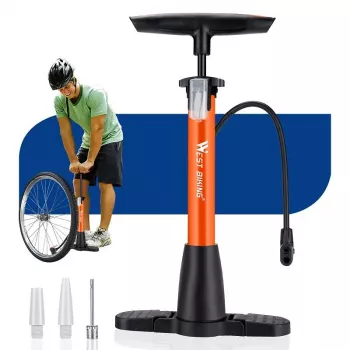
Product option: Portable High-Pressure Bike Tire Pump for All Valve Types
If you want one compact tool that covers common valve standards and can handle higher-pressure needs, the Portable High-Pressure Bike Tire Pump for All Valve Types is designed for convenient carry while still supporting the pressures typical of road, gravel, and city riding. It’s a practical pick for commuters, weekend riders, and anyone who wants a dependable backup inflation option across different bikes and wheelsets.
At-a-glance details
| Item | Details |
|---|---|
| Product | Portable High-Pressure Bike Tire Pump for All Valve Types |
| Price | 30.97 USD |
| Availability | In stock |
| Product page | View product |
More in-store picks
For creators and small business owners who also manage product listings and publishing, this digital guide can help streamline planning: Build a Smarter Content Calendar with AI | AI-Powered Content Planning Guide.
FAQ
Will an all-valve bike pump work on both Presta and Schrader without adapters?
Often yes—many all-valve pumps use a reversible gasket, a selector, or a dual-head design to fit Presta and Schrader directly. An adapter is still handy for shared inflators or unusual heads, and the best confirmation is a firm, hiss-free seal once the head is seated and locked.
How do you pump a Presta valve without losing air?
Remove the cap, loosen the tip nut, press it briefly, then attach the pump head straight and lock it before pumping with steady strokes. Unlock and remove the head cleanly, then retighten the tip nut; a brief hiss right as you disconnect is normal.
Why does the pump gauge jump or read wrong at high pressure?
Gauge jumps are commonly caused by a small leak at the head seal, the head not being fully seated, or very rapid strokes that momentarily change flow. Small tire volume can also make PSI rise sharply near the top end, so verify with a separate tire gauge if precision is critical.















Leave a comment