Garden Zen Checklist: Declutter and Organize Your Yard
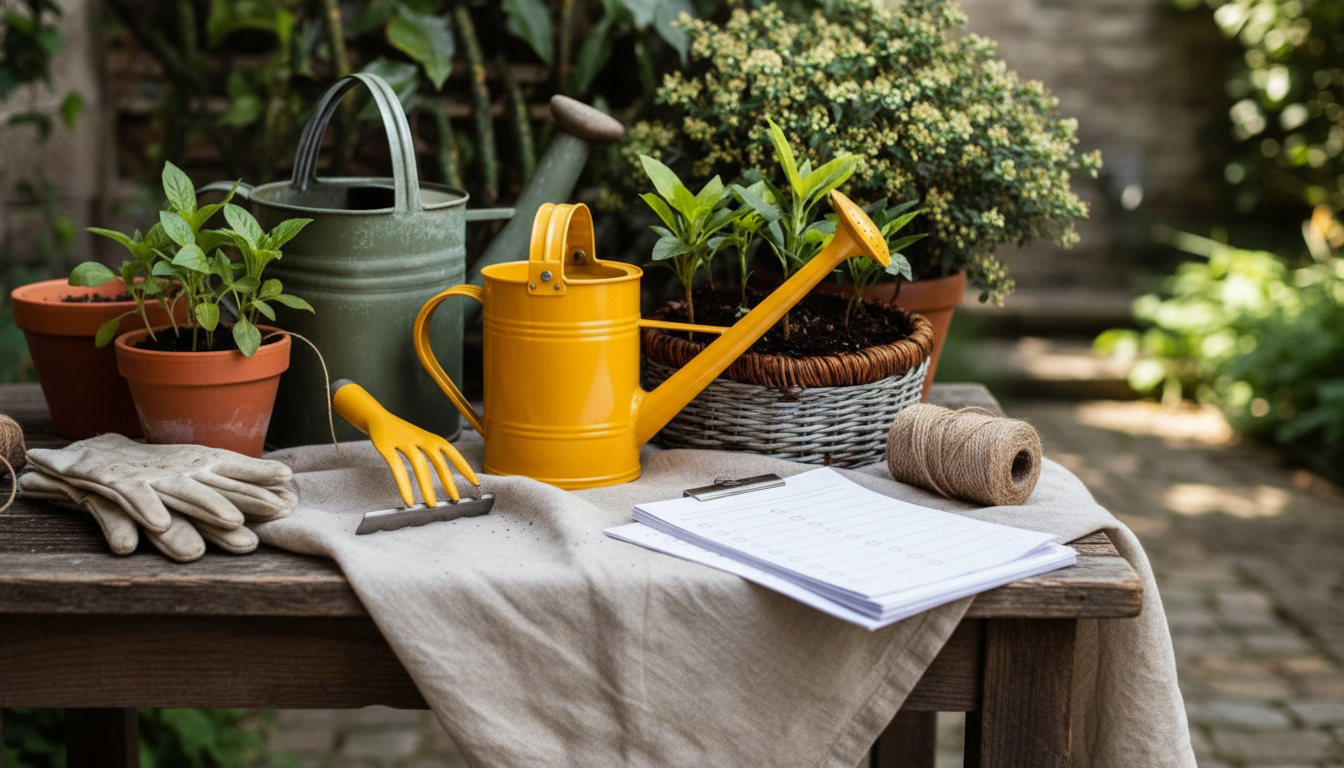
Garden Zen: Declutter Your Outdoor Oasis with a Calm, Organized Yard Checklist
A peaceful yard starts with fewer “decision piles” and more clear zones for relaxing, planting, and storing tools. Instead of treating outdoor decluttering like a whole-weekend overhaul, break it into small, seasonal-friendly steps that keep patios, garden beds, sheds, and entry points easy to maintain. Use the quick reset below when you’re short on time, then follow the category guide to make sure what stays outside is safe, useful, and simple to put away.
What “garden clutter” really is (and why it creates stress)
Garden clutter isn’t just “too much stuff.” It’s anything that repeatedly steals attention, blocks movement, or makes basic care feel harder than it should.
- Visual clutter: stacks of pots, empty bags, unused planters, tangled hoses, leaning tools, and half-finished projects that constantly grab your eye.
- Functional clutter: items stored in the wrong place—tools far from beds, soil stored where it gets wet, or outdoor toys blocking walkways.
- Safety clutter: slippery algae on paths, unstable piles, rusted tools, broken pavers, and blocked exits from sheds or gates.
- Maintenance clutter: anything that adds friction—watering takes longer, mowing requires extra moving, and planting feels like a chore.
Small fixes here pay off fast: fewer obstacles, fewer “where did I put that?” moments, and more time actually enjoying the space. If you’re handling old metal tools or doing cleanup where you might get scratched, keep basic wound care in mind and stay current on tetanus guidance from the CDC.
Set your “oasis zones” before you move a single item
Decluttering goes smoother when every object has a logical “home.” Before you start hauling bins around, decide on 3–5 zones that match how you use your yard.
- Relaxing: seating, shade, and a clear surface for drinks or a book.
- Growing: beds and containers with easy access to water and tools.
- Working: potting/DIY area with a wipeable surface and supplies close by.
- Storage: shed, deck box, or bins for what must live outside.
- Pathways: walkways and entries that stay clear and safe.
Give each zone one job it must do well. Anything that doesn’t support that job becomes a candidate to relocate, donate, or remove. For quick momentum, start with the smallest high-impact zone—often the patio, deck, or main entry path. Place a temporary sorting area nearby (a tarp or folding table) so clutter doesn’t migrate across the yard.
A quick-start flow: the 45-minute yard reset
When the yard feels overwhelming, aim for a fast reset that creates visible breathing room. Set a timer and keep decisions simple.
- Minute 0–10: Grab a bag for trash, a bin for donations, and a bin for “belongs indoors.” Walk the space and collect obvious rubbish, broken items, and anything clearly out of place.
- Minute 10–25: Clear surfaces—tables, benches, potting stations, and steps. Remove duplicates (extra half-empty bottles, spare gloves, repeated small hand tools).
- Minute 25–35: Reclaim pathways. Coil hoses, move pots off walkways, and group items by category near their future storage spot.
- Minute 35–45: Pick one micro-area (one shelf, one corner, one planter cluster). Finish it completely: sort, wipe, and return only essentials.
This reset is ideal before guests come over, before mowing day, or anytime you feel the yard is “closing in.”
Declutter by category: what to keep, relocate, donate, or toss
Category decisions prevent you from shuffling the same objects from one pile to another. When in doubt, prioritize safety, repeat use, and weather-resistance.
Tools
Pots and planters
Soil, mulch, and amendments
Chemicals
Decor and seasonal items
| Item | Keep if… | Let go if… | Best next step |
|---|---|---|---|
| Garden tools | Safe, used monthly, good grip | Loose heads, severe rust, never used | Clean, sharpen, hang or bin by task |
| Plant pots | Used each season, intact | Cracked, chipped, too many duplicates | Stack by size; donate extras |
| Soil/amendments | Dry, sealed, labeled | Wet, moldy, unlabeled | Move to waterproof bin; dispose of spoiled |
| Hoses/irrigation | No leaks, easy to coil | Kinks, leaks, tangled fittings | Add hose reel/hooks; replace damaged parts |
| Outdoor decor | Fits style, has a spot | Faded, broken, feels like “noise” | Create one decor bin; rotate seasonally |
Storage that stays organized through weather and busy weeks
If composting is part of your cleanup routine, keep a quick reference handy for what belongs in the pile. The EPA’s composting guide is a solid starting point for common household and yard materials.
Keep it zen: simple routines that prevent clutter from coming back
Printable support for a calmer yard
For a structured, print-and-go approach, use: Garden Zen: Declutter Your Outdoor Oasis | Printable Home Garden Declutter Checklist for a Calm, Organized Yard.
If you like planning seasonal reset days ahead of time (so they actually happen), pairing your yard checklist with a simple schedule can help: Build a Smarter Content Calendar with AI | AI-Powered Content Planning Guide, Digital Download for Creators & Entrepreneurs, Content Strategy eBook.
FAQ
How long should outdoor decluttering take?
A fast reset can take 45 minutes, while patios or small sheds often take 2–4 hours depending on sorting and donation/disposal trips. The most manageable approach is one zone per session so you finish a complete area each time.
What should be kept out of the compost pile when cleaning up the garden?
Keep out diseased plants (when recommended locally), weeds with mature seeds, pet waste, treated wood, and anything contaminated with chemicals. When unsure, check local extension guidance and reputable composting references for your region’s best practices.
How can tools and supplies be stored so they don’t turn into clutter again?
Use task-based storage near where items are used, hang tools vertically, and keep small supplies in labeled waterproof bins. A “return basket” plus a weekly 10-minute reset prevents piles from reforming and keeps frequently used items within easy reach.















Leave a comment