Hi-Res Dynamic Driver Earphones: Fit, Tuning & Tips
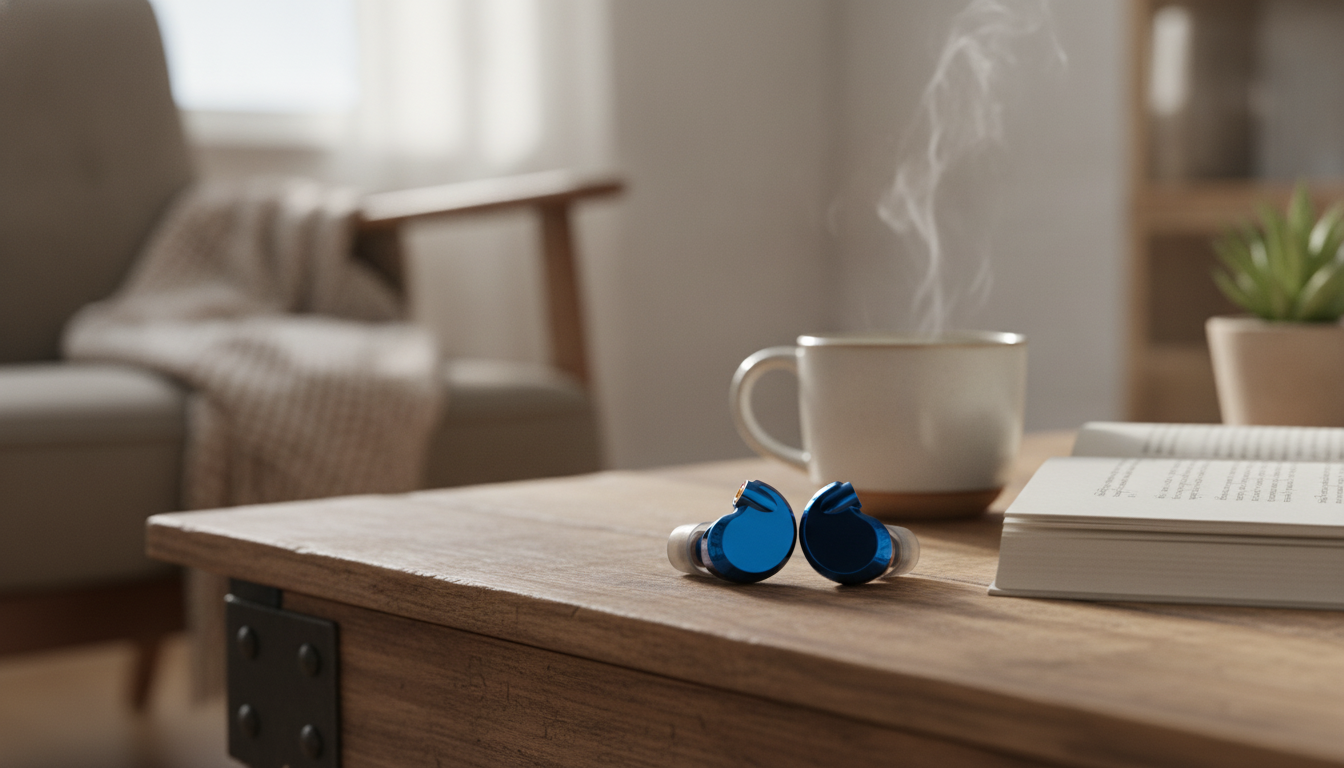
Hi-Res Dynamic Driver Earphones: Detailed Sound, Everyday Comfort
Hi-res dynamic driver earphones are built for listeners who want lively bass impact, clear vocals, and a natural sense of space without moving to bulky over-ears. The best sets feel effortless for daily use: they seal well, stay comfortable on long walks or work sessions, and sound consistent from a phone or a small dongle DAC. Below is a practical guide to what actually affects performance—driver behavior, tuning, fit, isolation, and pairing—so it’s easier to pick a setup that works in real life.
What “Hi-Res” and “Dynamic Driver” Mean in Real Use
Dynamic drivers work like a tiny speaker: a voice coil moves a diaphragm to push air. That physical movement is why many dynamic-driver earphones deliver a cohesive, “all-from-one-place” sound with satisfying low-end authority and a natural sense of weight on drums and bass guitars.
“Hi-Res” labeling often indicates the earphones meet certain program requirements, but the audible result depends more on tuning, distortion control, and (most importantly) fit than the badge itself. For background on the logo program, see the Hi-Res Audio logo program (JAS).
In practice, a solid seal usually improves perceived detail more than switching from a good streaming tier to a lossless file. When tips don’t seal, bass collapses, imaging gets vague, and “detail” can sound thin instead of clean. Also pay attention to sensitivity and impedance: highly sensitive earphones can reveal hiss from noisy phone outputs, while higher-impedance models may want more voltage headroom for punch and dynamics.
Sound Signature: What to Expect and How to Match It to Music
Bass, mids, and treble: the balance that matters
Bass is often the headline feature with dynamic drivers: deep sub-bass and physical slam are very achievable. The key is control—tight, textured bass lines should stay distinct rather than washing into the midrange.
Mids determine how voices, guitars, and pianos sit in the mix. A clean midrange keeps vocals present without pushing them so far forward that they become shouty at higher volumes. If long sessions are the goal, smooth upper mids tend to be easier on the ears.
Treble is where “air” and texture live—cymbal shimmer, string bite, room ambiance. Crisp treble can be exciting, but sharp peaks can cause fatigue fast. If treble feels piercing, a slightly different tip material or a small EQ trim often helps more than swapping sources.
Soundstage and imaging (and why tips change it)
Strong imaging helps separate instruments so dense mixes don’t blur together. Perceived stage width and placement are affected by tuning and by insertion depth—ear tips that fit well can stabilize the earphone’s position, making left/right cues feel more locked in. If you want a measurement-focused perspective on what reviewers evaluate, RTINGS explains its approach in Headphones testing and measurement methodology.
Simple matching by genre
For electronic and hip-hop, prioritize sub-bass reach and slam (but still listen for control). For acoustic and jazz, prioritize mid clarity and natural timbre so vocals and instruments sound lifelike. For rock and metal, look for fast transients and enough upper-mid presence to keep guitars energetic without turning cymbals into splashy glare.
Fit, Isolation, and Comfort: The Hidden Performance Factors
Isolation matters most on commutes and in open offices. A better seal reduces external noise, which means you can listen at lower volumes while still hearing details. The World Health Organization emphasizes safer listening habits in Make Listening Safe, and good isolation is a practical way to reduce the temptation to crank volume.
Power, Pairing, and Files: Getting the Best From a Phone or DAC
Quick Checks Before Buying and After Unboxing
| Focus | What to Look For | Why It Matters |
|---|---|---|
| Seal & tips | Multiple tip sizes/materials included or easy to replace | Better bass, clearer mids, more stable imaging |
| Source compatibility | Works well from phone; minimal hiss; reasonable volume at 50–70% | Cleaner dynamics and less fatigue |
| Tuning preference | Bass level, vocal presence, treble smoothness | Matches music and listening duration |
| Build & daily carry | Strain relief, sturdy connectors, manageable cable | Longer lifespan and fewer dropouts |
| Comfort over time | No hotspots; secure fit when walking | More consistent sound and easier daily use |
Build Quality and Practical Features to Prioritize
Spotlight: Hi-Res Dynamic Driver Earphones
If you’re looking for a dynamic-driver presentation with impactful lows and a cohesive, speaker-like feel, Hi-Res Dynamic Driver Earphones are designed around that approach. They’re a strong match for listeners who want an energetic sound profile that still keeps vocals and instruments clear for everyday listening.
Also for Your Home Setup
Earphones cover personal listening, but a comfortable media space matters too. If you’re upgrading a living-room layout, the Floating TV Stand with 36″ Electric Fireplace and High Gloss Finish offers a clean, modern way to organize a TV area and keep the space feeling finished.
Care and Longevity: Keeping Performance Consistent
FAQ
Do hi-res earphones sound better on a phone?
Often yes—if the phone output is clean and has enough power for the earphones. A small dongle DAC can reduce hiss and improve control, but fit and seal usually make a bigger difference than file format.
Are dynamic driver earphones good for bass without losing clarity?
Yes, when tuning and driver control are well executed. Look for tight, textured bass that doesn’t bleed into the mids, and use tips that maintain a consistent seal.
What ear tips improve detail and comfort the most?
It depends on ear shape and how deep the earphones sit. Silicone often preserves treble sparkle, while foam can improve isolation and smooth sharp peaks; trying multiple sizes is usually the fastest upgrade.














Leave a comment