Buying a Second-Hand Cat Tree: Safety & Cleaning Tips
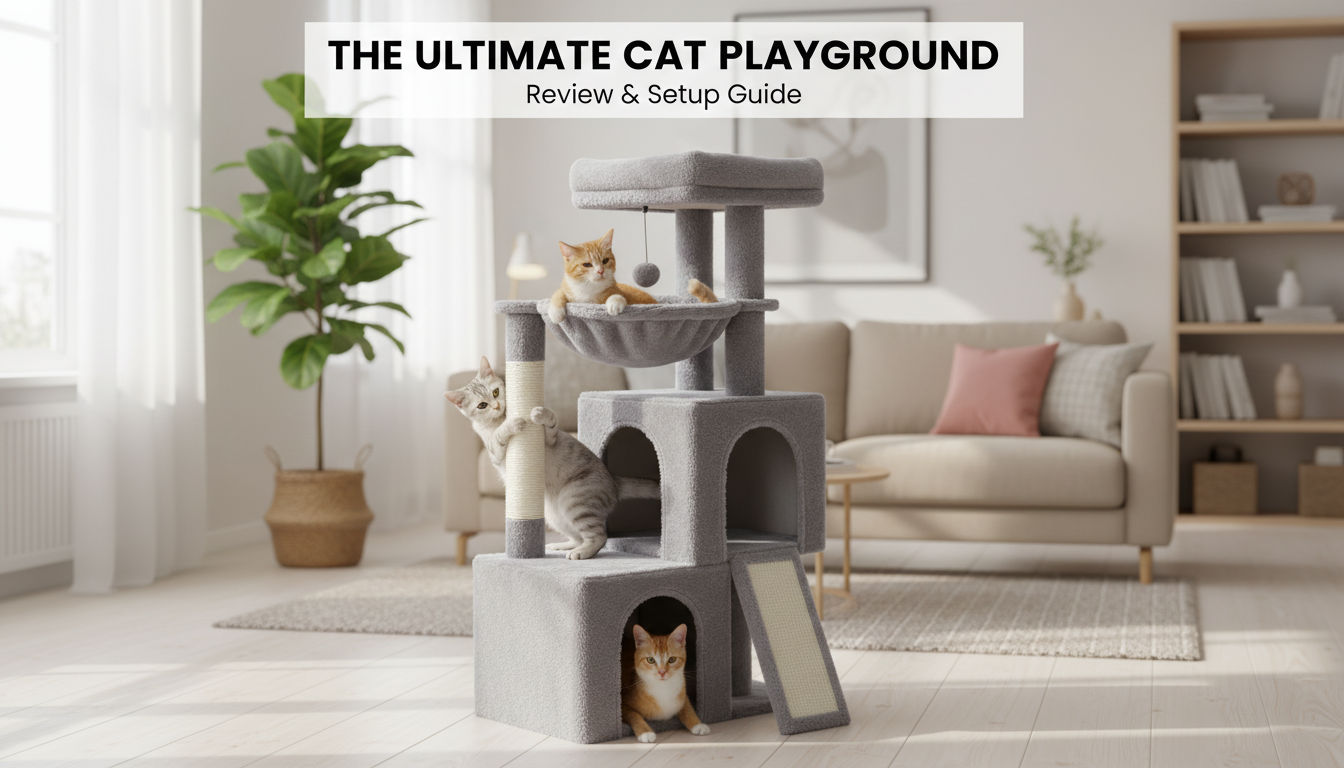
Can I buy a second hand cat tree?
Yes, a second hand cat tree can be a smart, budget-friendly option—especially for kittens, temporary setups, or cats that aren’t picky. The key is making sure it’s clean, structurally sound, and safe for climbing and scratching. Because cat trees absorb odors, dander, and sometimes fleas or fungal spores, it’s worth being selective about where it comes from and how it’s handled before it enters your home.
What to check before you bring it home
Start with stability. Gently push the base from multiple angles; it shouldn’t wobble or lean. Inspect posts, platforms, and condos for cracks, loose screws, or swollen particle board (a sign of moisture damage). Tug on the sisal rope—if it unravels easily or is coming off in large sections, the tree may need re-wrapping. Also look closely for sharp staples, exposed nails, or torn fabric that could catch a claw.
Hygiene and pest safety
Ask about the previous home: number of cats, smoking, and any history of fleas, ringworm, or lice. If there’s any uncertainty, skip it. For a tree that passes the sniff test, vacuum thoroughly (crevices, seams, and inside condos), then use a pet-safe enzyme cleaner on fabric areas and let it dry completely. If cushions or hammocks are removable, wash them on hot (if the label allows) and fully dry. Place the tree in a garage or isolated room for a day while you confirm it stays odor-free and pest-free.
When second hand isn’t worth it
Walk away if you see mold, heavy urine odor that won’t lift, extensive wobble, or major fabric deterioration. Cats rely on cat trees as vertical territory; an unstable tower can cause falls and create lasting fear of climbing. If you’re comparing options, it can help to see what a well-built setup looks like in a multi-level design with condos, hammocks, and solid scratching areas—review details here: multi-level cat tree guide.
FAQ
How do I clean a used cat tree safely?
Vacuum it thoroughly, spot-clean with a pet-safe enzyme cleaner, and wash any removable fabrics on hot if permitted. Let everything dry completely before your cat uses it.













Leave a comment