Daily Gum Care Checklist for Healthy Gums & Fresh Breath
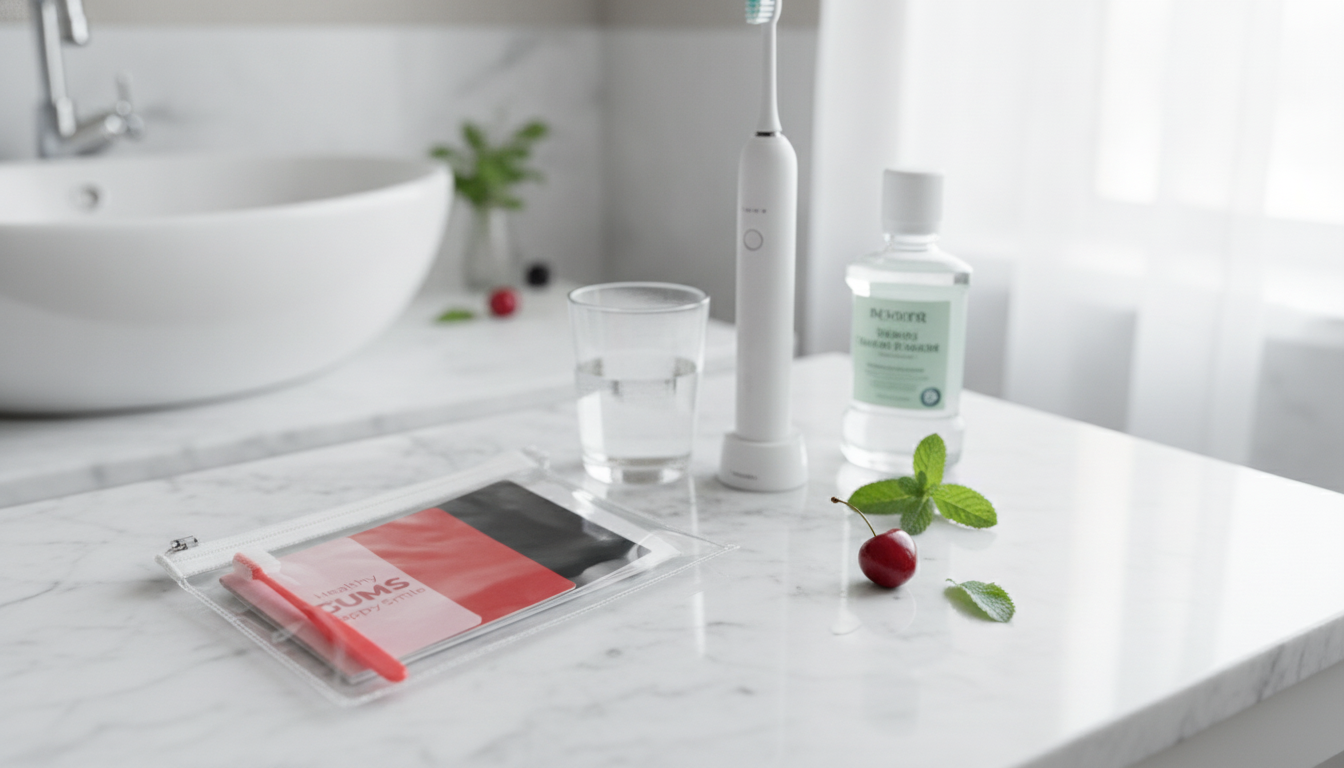
Healthy Gums, Happy Smile: Daily Gum Care Made Simple
Healthy gums do more than “hold teeth in place.” They help you chew comfortably, support fresher breath, and frame your smile so it looks its best. The good news: most everyday gum concerns respond well to consistent, gentle care—especially when you focus on a few high-impact habits instead of trying to change everything at once.
Why gum health matters more than most people realize
Your gums form a snug, protective seal around each tooth. When that tissue gets irritated, the seal can loosen, giving bacteria more opportunities to settle near (and sometimes under) the gumline. That’s why minor inflammation—often noticed as bleeding or tenderness—deserves attention early.
Early gum irritation can be subtle and is often reversible with steady daily care. Left unchecked, ongoing inflammation can affect comfort, appearance, and long-term dental costs. Prevention is typically simpler than repair, and gum-focused cleaning also helps reduce plaque along the gumline—an area closely tied to cavity risk.
For background on gum disease and why plaque control matters, see the American Dental Association (ADA) overview and the CDC summary on periodontal disease.
Common signs your gums need attention
Gums don’t have to hurt to be asking for help. Watch for these common signals:
- Bleeding during brushing or flossing (especially if it happens repeatedly).
- Redness, swelling, or a shiny-looking gumline rather than a firm, pale-pink appearance.
- Persistent bad breath or a bad taste that returns soon after brushing.
- Gum tenderness, soreness when chewing, or sensitivity near the gumline.
- Gums that appear to be pulling back from teeth or teeth looking “longer.”
- Puffy areas, recurring irritation, or spaces that trap food more easily than before.
Quick check: what you notice vs. what it can mean
| What you notice | Often linked to | Helpful next step |
|---|---|---|
| Bleeding when brushing/flossing | Gum inflammation from plaque buildup | Improve daily cleaning at the gumline for 2 weeks; book a dental cleaning if it persists |
| Bad breath that returns quickly | Plaque around gumline, tongue coating, dry mouth | Brush gumline + clean tongue; hydrate; consider alcohol-free mouthwash |
| Swollen, tender gumline | Irritation and bacterial buildup | Gentle brushing with soft bristles; avoid aggressive scrubbing; schedule evaluation if worsening |
| Gums pulling back | Irritation, brushing force, clenching/grinding, gum disease | Switch technique/brush; ask dental professional to assess cause |
Daily habits that strengthen gums
Daily gum care is mostly about consistency and touch. A few small technique changes can make the same routine far more effective.
- Brush twice daily with a soft-bristled brush, angling bristles toward the gumline so they can disrupt plaque where it collects.
- Use gentle pressure. Vigorous scrubbing can irritate tissue and make the gumline more sensitive over time.
- Clean between teeth every day (floss, interdental brushes, or a water flosser) to remove plaque where brushes miss.
- Clean the tongue to reduce odor-causing bacteria and support fresher breath.
- Rinse strategically. An alcohol-free mouthwash can help some people, but it shouldn’t replace brushing and interdental cleaning.
- Hydrate and manage dry mouth. Saliva helps buffer acids and naturally cleanse the mouth; dryness makes plaque stickier and breath worse.
If you’re unsure whether what you’re seeing is gingivitis or something more advanced, the National Institute of Dental and Craniofacial Research (NIDCR) provides a clear, patient-friendly breakdown.
A simple morning-and-night checklist that actually sticks
Many people don’t need more steps—they need a repeatable order. Using the same sequence each time reduces skipped areas and makes the routine feel automatic.
Daily gum care checklist (printable-style)
| Step | Morning | Night | Done in 2 minutes? |
|---|---|---|---|
| Brush along the gumline (soft bristles, gentle angle) | ☐ | ☐ | Yes |
| Clean between teeth (floss/interdental/water flosser) | ☐ | ☐ | Yes |
| Tongue clean (light pressure, back to front) | ☐ | ☐ | Yes |
| Quick gum check (bleeding, swelling, soreness) | ☐ | ☐ | Yes |
Food and lifestyle moves that support healthier gums
When home care isn’t enough
A guided, checklist-based approach for consistent results
If you do best with a structured routine, a checklist-style system can reduce guesswork and help you stay consistent between dental visits. The Healthy Gums, Happy Smile – Gum Health 101 Digital Guide organizes gum care into simple daily actions and clear checkpoints, with an AI-powered checklist format designed to keep the routine repeatable—even on busy days.
If you’re someone who likes “set it once, follow it daily” frameworks in general, Rate Right | Freelance Pricing Checklist is another checklist-based digital product focused on structured decision-making (separate from oral care), built around the same idea: fewer decisions in the moment, more consistency over time.
FAQ
Is bleeding when flossing a reason to stop flossing?
No—if you floss gently and consistently, bleeding often decreases as inflammation improves. Focus on daily interdental cleaning and technique, and see a dental professional if bleeding persists or worsens.
How long does it take for gums to improve after better daily care?
Many people notice less bleeding and reduced puffiness within 1–2 weeks of consistent, thorough cleaning at the gumline. If symptoms don’t improve or you have pain, pus, or loosening teeth, schedule a dental visit promptly.
What’s the best tool for cleaning between teeth if floss is difficult?
Interdental brushes can be easier for larger spaces, and water flossers can help if dexterity is a challenge; floss works well for tight contacts. The best tool is the one that fits comfortably and gets used daily—your dental office can help confirm sizing and technique.
















Leave a comment