Thermal Bath Travel: Restful Rituals and Safe Soaking
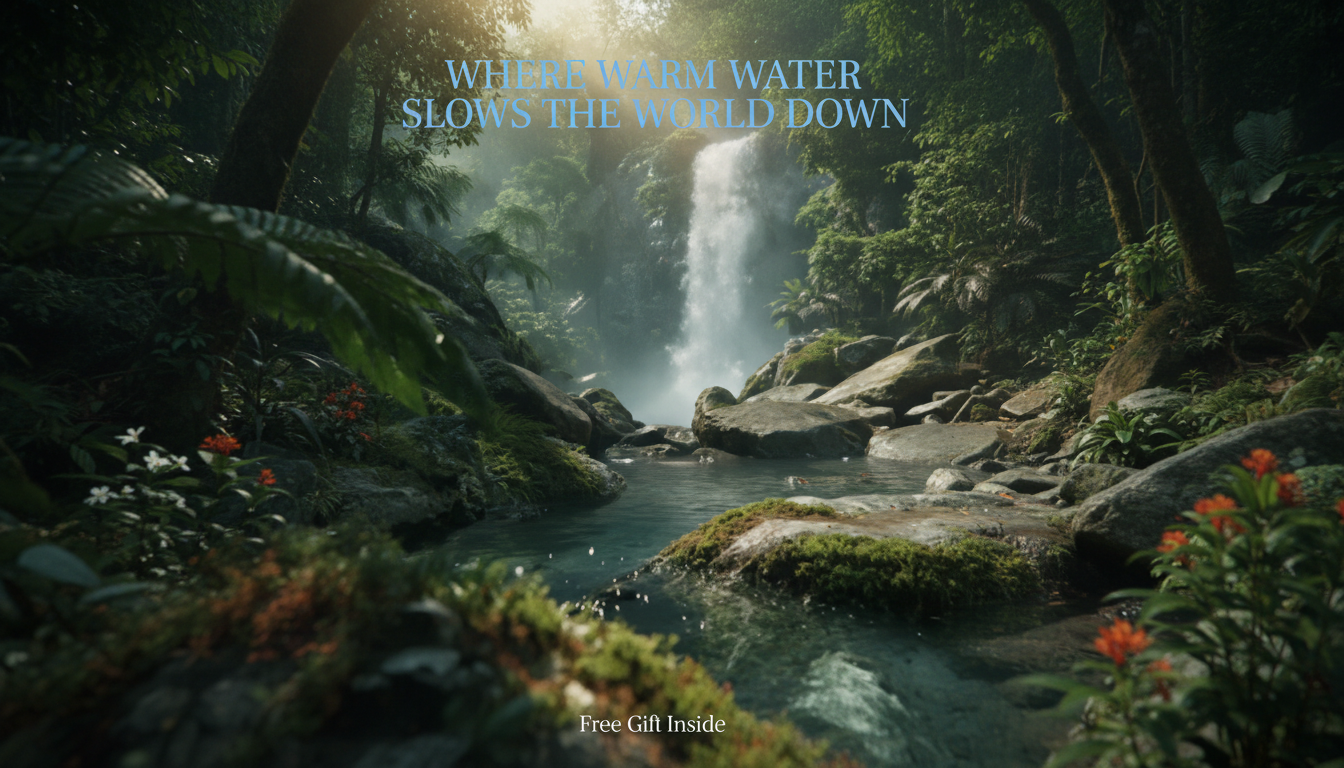
Where Warm Water Slows the World Down
Thermal bathing can be more than a sightseeing stop—it can be a rhythm for travel that prioritizes recovery, quiet attention, and gentle structure. Whether you’re stepping into a mountain hot spring at dawn or easing into an urban thermal spa after a long flight, warm water offers a dependable way to downshift. The goal isn’t to “do” more; it’s to feel more restored while you move through a place.
What Makes Thermal Bath Travel Feel Different
Thermal bath travel tends to feel distinct because the setting invites repetition and restraint. Natural hot springs often feel raw and elemental, mineral pools lean toward curated comfort, and steam rooms create an enveloping warmth that quiets the mind as much as the muscles.
Across many cultures, the most restorative part is the cycle: soak, cool, rest—then repeat. That gentle loop can feel grounding when everything else about travel is irregular. Despite wide variations in etiquette, common themes show up again and again: cleansing before entering shared water, the contrast of heat and cooling, a respect for silence (or at least low volume), and clear boundaries around privacy and community space.
When planned well, a spa day becomes an anchor. Instead of stacking attractions, you build a day around recovery—walking slowly, eating simply, and letting the bathhouse or spring set the pace.
Choosing a Destination by Mood, Climate, and Water Type
Start with the mood you want, then match it to climate and water character. Mountain hot springs pair naturally with cold air and quiet mornings—ideal for travelers craving calm and a clean mental reset. Coastal and island geothermal pools can feel especially soothing at dusk, when the day’s wind and sun fade and the body wants to soften.
Historic bathhouses offer structure: a circuit of hot rooms, warm pools, and cool-down zones, often in a setting where architecture is part of the experience. Urban thermal spas, meanwhile, are the low-logistics option—perfect for jet lag recovery, rainy days, or trips where you don’t want to rent a car just to rest.
Water type matters more than many people expect. Some travelers notice a sulfur scent (harmless, but memorable), buoyancy that makes the body feel lighter, a wide temperature range that encourages short rounds, or a mineral “feel” that can leave skin silky—or a bit dry.
Destination styles and what they’re best for
| Destination style | Best time of day | Ideal intention | Planning notes |
|---|---|---|---|
| Mountain hot springs | Early morning | Resetting the nervous system, quiet reflection | Bring layers and slip-resistant sandals; expect cooler air between pools |
| Historic bathhouse circuit | Midday | Structured ritual and cultural experience | Check etiquette rules; some require specific towels or caps |
| Onsen-style bath town | Evening | Gentle social rhythm and post-walk recovery | Many require washing thoroughly first; tattoos may be restricted |
| Urban thermal spa | Late afternoon | Jet-lag relief and low-effort restoration | Reserve time slots; avoid peak hours for quieter rooms |
| Geothermal lagoon/pool | Sunset | Soothing, sensory decompression | Book ahead; protect hair/skin if water is high in minerals |
Before you commit, filter for practical realities: seasonality (some outdoor pools shine in winter), crowd patterns, booking requirements, and clothing norms. In some regions, nudity is standard; in others, swimwear is required. Knowing which is expected helps you relax sooner.
A Simple Bathing Ritual That Travels Well
Etiquette and Cultural Norms: Comfort Without Guesswork
Hair and rinsing practices matter because water cleanliness is collective. Tie hair back, rinse off sweat and products, and respect “no soap” rules in the bathing area. If you’re visiting Japanese onsen, tattoo policies vary by facility; options may include private baths or cover patches in some locations. The Japan National Tourism Organization’s onsen manners guide is a helpful reference before your first visit.
Health and Safety for Hot Water, Steam, and Contrast Pools
Some conditions call for extra caution: pregnancy, heart conditions, low blood pressure, and certain medications may require medical guidance. For general precautions, see the Mayo Clinic’s hot tub safety overview and the CDC’s guidance on hot tubs and spas.
Building an Intentional Itinerary Around Rest
A Companion Guide for Slow, Rest-Centered Bath Travel
If you prefer having destinations, rituals, pacing ideas, and packing reminders gathered in one place, Where Warm Water Slows the World Down – A Thoughtful Travel Guide to Thermal Bath and Spa Destinations for Deep Rest, Healing Rituals, and Intentional Journeys is designed to support slower planning and calmer days on the road.
For extending that same recovery mindset at home between trips, a warm, quiet living space can become a “cool-down room” of its own—especially in colder seasons. Options like the Floating TV Stand with 36″ Electric Fireplace and High Gloss Finish can help create a nightly wind-down routine, while an outdoor reset corner—such as the 7-Piece All-Weather Wicker Patio Furniture Set with Cushions & Pillows—can mirror the pause-and-breathe feeling of stepping out between soaks.
FAQ
How long should a thermal bath session last?
Start with short rounds of about 5–10 minutes, then rest outside the water before deciding whether to repeat. Very hot pools and steam rooms may call for even shorter stays, especially if you feel lightheaded or overheated.
What should be packed for a thermal bath or spa day?
Bring sandals, a hair tie, a water bottle, simple toiletries, and moisturizer for after you rinse. If the facility doesn’t provide them, pack a towel; depending on local rules you may also need swimwear, a swim cap, or a warm cover-up for outdoor pools.
Are thermal baths safe for everyone?
Many people can enjoy thermal bathing safely with short sessions, hydration, and careful cooling breaks, but some situations require extra caution. Pregnancy, heart conditions, low blood pressure, certain medications, or feeling unwell are good reasons to check medical guidance and follow facility rules closely.














Leave a comment