Low-Dust Living: Natural Ways to Keep Your Home Fresh
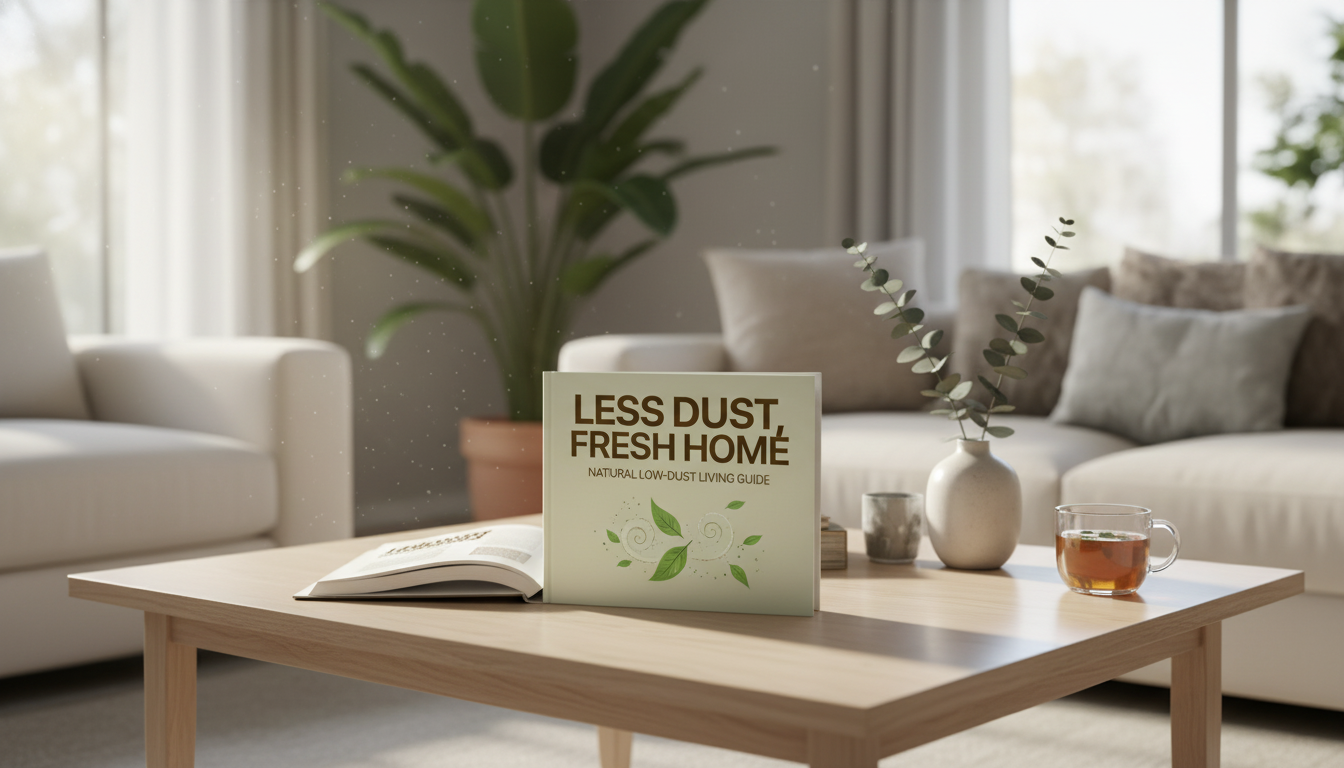
Less Dust, Fresh Home: Natural Low-Dust Living for a Cleaner, Healthier Space
Dust builds up fast, spreads through air currents, and often returns right after cleaning. A low-dust home comes from reducing what dust is made of (fibers, skin flakes, pollen, soil particles, pet dander) and stopping it from circulating. The steps below focus on practical, natural habits that cut dust at the source, improve air quality, and make cleaning feel lighter and less frequent.
What household dust is made of (and why it keeps coming back)
Household dust isn’t one thing—it’s a moving mixture. Some of it is made indoors (textile fibers, dead skin cells, pet dander), and some rides in from outside (pollen, soot, soil) through doors, windows, and ventilation. If the sources keep shedding and the air keeps stirring, dust keeps “reappearing,” even after a solid clean.
- Soft materials shed continuously: carpets, upholstered furniture, blankets, throw pillows, and stuffed toys act like ongoing “dust factories.”
- Air movement re-suspends settled particles: fans, HVAC airflow, walking over carpet, and rough dry-dusting can lift dust back into the breathing zone.
- Moisture matters: very dry air can increase static and make fine particles easier to lift and recirculate; overly humid air can encourage mold and dust mites.
- Hidden zones store dust: vents, baseboards, window tracks, under beds, and behind furniture can quietly seed the room again.
High-impact dust sources and natural ways to reduce them
| Dust source | Why it adds dust | Natural, low-effort fix | How often |
|---|---|---|---|
| Carpets and rugs | Trap and release fine particles with foot traffic | Use washable rugs when possible; vacuum slowly with a sealed filter | Vacuum 1–3×/week |
| Bedding and fabrics | Shed fibers; collect skin flakes | Wash bedding hot when appropriate; choose tighter-weave covers | Weekly |
| HVAC returns and filters | Pull air (and dust) through the home | Use properly fitted filters; keep returns unobstructed | Check monthly; replace per schedule |
| Entryways and shoes | Bring in soil, pollen, grit | Adopt a shoes-off habit; add a doormat and a small drop zone | Daily habit |
| Cluttered surfaces | More places for dust to settle | Reduce countertop and shelf items; store in closed bins | Weekly reset |
Start at the source: reduce what creates dust indoors
Less dust starts with less shedding. The goal isn’t a sterile home—it’s choosing materials and routines that don’t constantly create new particles.
Clean smarter: techniques that trap dust instead of spreading it
Airflow and filtration: keep dust from circulating
- Replace or clean HVAC filters on schedule: correct fit and consistent changes usually matter more than extreme upgrades that restrict airflow.
- Keep vents and returns clean and clear: blocked returns can increase dust buildup and reduce effective filtration. Make sure furniture and curtains aren’t covering them.
- Consider an air purifier for problem rooms: bedrooms and living rooms often show the most noticeable comfort improvement; place units where airflow isn’t obstructed and maintain the filter.
- Ventilate strategically: brief, targeted ventilation (when outdoor air is clean) can reduce indoor particle buildup; avoid open windows during high pollen or smoke events.
- Balance humidity: keep humidity moderate to support comfort and discourage dust mites and mold growth. For practical guidance on indoor air tools and filtration, see the U.S. Environmental Protection Agency’s guide to air cleaners.
For allergy-sensitive households, it can help to understand common triggers like dust mites; the CDC’s asthma trigger resources offer a helpful overview.
Room-by-room low-dust routines (quick wins that add up)
A simple weekly plan for a naturally fresher home
A guided approach for low-dust living
If the cycle feels like “clean today, dusty tomorrow,” a step-by-step structure can make the difference between constant catch-up and steady progress. The Less Dust, Fresh Home digital guide organizes practical actions into a sustainable plan that reduces dust naturally without relying on harsh products.
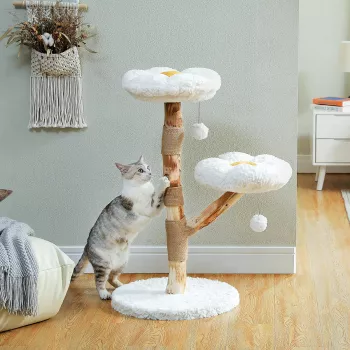
In pet-friendly homes, creating a contained pet zone can also help reduce how far fur and dander travel. A designated perch like the Flower Cat Tree can keep lounging and shedding concentrated in one easy-to-vacuum area instead of spread across multiple upholstered spots.
For additional context on indoor air and common pollutants, MedlinePlus offers a clear primer on indoor air pollution and why clean indoor air supports everyday comfort.
FAQ
Why is my house dusty even after cleaning?
Dust returns when sources keep shedding (textiles, skin flakes, pet dander) and when air movement re-suspends what has settled. Dry dusting can lift particles back into the air, so damp wiping, slower vacuuming, entryway control, and consistent HVAC filtration usually reduce the “dusty tomorrow” effect.
What is the fastest natural way to reduce dust at home?
Start with a shoes-off routine, damp-wipe the most-used surfaces, vacuum slowly with good filtration, and wash bedding weekly. These steps quickly cut the biggest recurring inputs—outdoor grit and fabric-based dust—without harsh products.
Do air purifiers help with dust?
They can reduce airborne particles in a specific room, especially bedrooms, but they work best alongside source reduction (less shedding and clutter) and regular filter maintenance. If dust is mainly coming from fabrics, floors, or entryways, purifiers help most when paired with those fixes.















Leave a comment