Science-Based Pet Training for Calm, Reliable Behavior
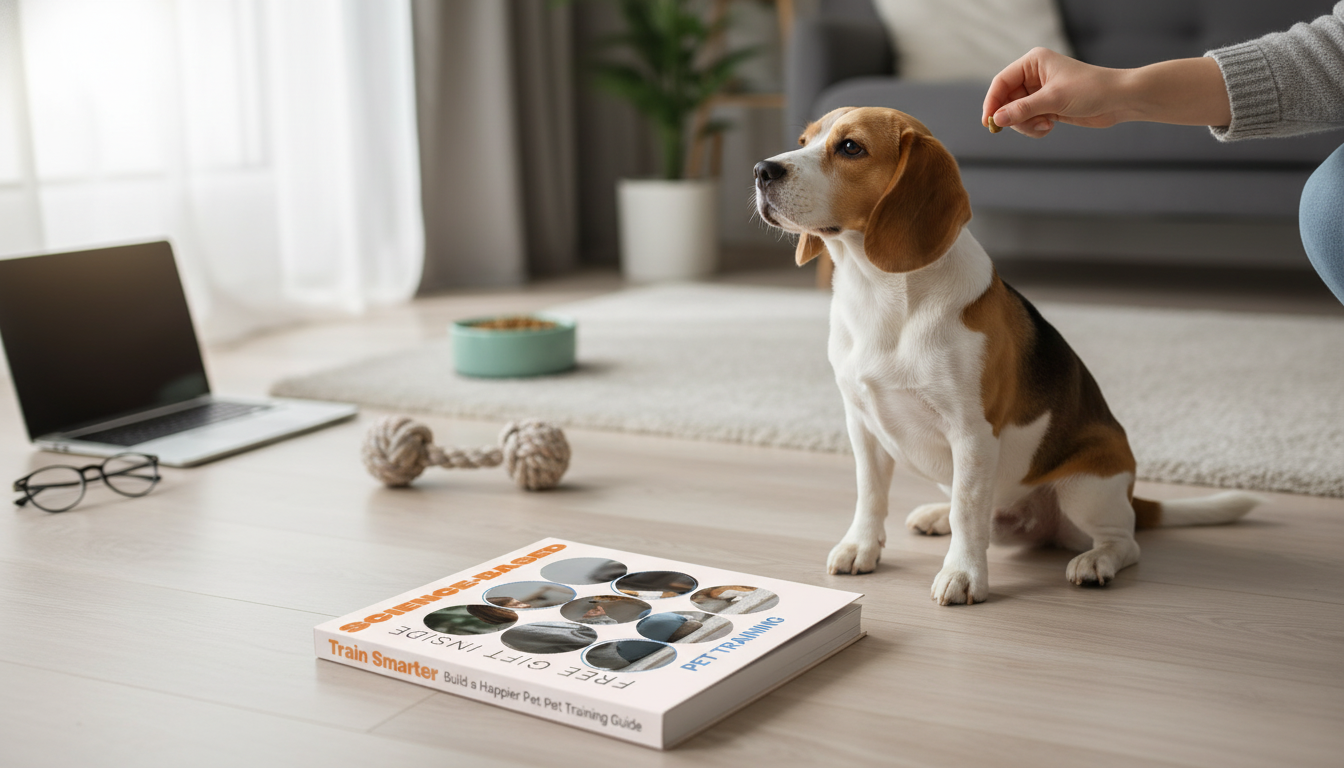
Train Smarter, Build a Happier Pet: Practical Science for Better Behavior
Better behavior comes from clear communication, good timing, and a plan that fits real life. This guide breaks down the learning science that drives lasting change—then turns it into simple routines for focus, calm manners, and reliable cues at home and on the go.
What “science-based training” actually means
Science-based training treats behavior as a skill to build, not a problem to “shut down.” Instead of focusing on stopping unwanted actions, it prioritizes teaching what to do instead—then reinforcing that choice until it becomes the default. Predictable consequences shape behavior faster than intensity or repetition: when a pet can reliably connect an action with an outcome, learning accelerates.
Humane, reward-based methods also reduce stress, which matters because stressed animals struggle to learn and generalize. The basics behind lasting progress come down to three essentials: motivation (a reason to participate), clarity (the pet understands what earns reinforcement), and consistency (the pattern holds across people and situations). For guidance that turns these principles into daily routines, see Train Smarter Build a Happier Pet: Science-Based Pet Training Guide.
How pets learn: the core concepts that matter day to day
Classical conditioning: emotions and associations
Classical conditioning explains why a leash can trigger excitement in one dog and worry in another. The leash itself isn’t “good” or “bad”—it predicts what happens next. Pair scary triggers with safety and rewards at a manageable distance, and the emotional response can shift over time.
Operant conditioning: behavior and consequences
Operant conditioning covers the everyday “what happens after I do this?” side of learning. If pulling makes the walk continue, pulling is reinforced. If sitting makes the door open, sitting becomes more likely. The American Psychological Association offers a straightforward overview of how consequences shape behavior (Operant Conditioning).
Reinforcement vs. bribery
A lure becomes a bribe when the pet only performs after seeing the reward first. To move from lure to “earned reward,” teach the pattern in easy settings, then hide the treat, ask for the behavior, mark it, and deliver the reward from a pouch or pocket. Enthusiasm stays high when the reinforcement remains frequent at the beginning.
Extinction and why behavior can spike
When a behavior that used to work suddenly stops paying off, it can temporarily get louder, faster, or more intense—an extinction burst. This doesn’t mean training is failing; it often means the old habit is being tested one last time. Plan for it by lowering difficulty and increasing reinforcement for the behavior you want.
Generalization: “Sit” isn’t universal
Timing, rate of reinforcement, and choosing rewards that work
Quick reward planning for common training moments
| Situation | Goal behavior | Best reward type | Tip for success |
|---|---|---|---|
| Greeting guests | Four paws on the floor | Treat scatter or chew | Reward before jumping starts; rehearse with a friend |
| Leash walking | Loose leash near handler | Treats + “go sniff” release | Reinforce often at first; reward position, not distance |
| Doorway excitement | Wait or sit | Access to go out | Door opens only when calm; close gently if rushing |
| Recall outdoors | Turn and come promptly | High-value food or favorite toy | Start on long line; pay heavily for fast responses |
| Cat handling | Calm acceptance of touch | Food lickable or play | Pair brief touch with reward; stop before stress signals |
Building behaviors in layers: a simple training blueprint
Fixing common behavior problems with humane strategies
- Jumping: Reinforce an incompatible behavior like “sit” or “stand on mat,” and manage greetings so jumping doesn’t get rewarded with attention.
- Pulling: Reinforce position beside you, add regular sniff breaks, and choose routes that reduce frustration while skills develop.
- Barking/reactivity: Increase distance, reward calm observation, and teach alternative behaviors (look at you, hand target, find-it scatter).
- House training: Use a schedule, close supervision, reward the correct location immediately, and prevent accidents from becoming practice.
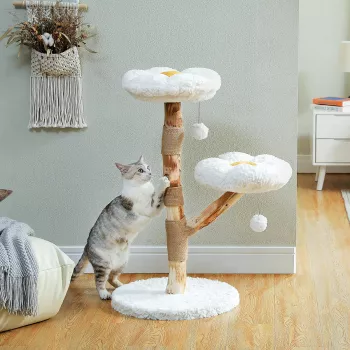
- Scratching/chewing: Meet needs with enrichment, then redirect to appropriate outlets. For cats, providing a dedicated climbing and scratching station can reduce furniture targeting; the Flower Cat Tree supports healthy scratching and perching habits.
For a deeper discussion of humane methods and why they’re recommended, refer to the American Veterinary Society of Animal Behavior’s position statements (AVSAB — Position Statements) and the RSPCA overview of reward-based training (Positive Reinforcement Training).
Stress, thresholds, and why “calm” is a training skill
A realistic 14-day plan to start seeing results
Science-based training guide for everyday practice
A practical guide should offer clear steps, humane methods, troubleshooting, and examples that match real households. A structured plan reduces guesswork and helps every family member respond the same way—one of the fastest paths to better manners. It’s especially useful for new-pet adjustment, refreshing basics, and building reliability without intimidation. For a ready-to-follow roadmap, visit Train Smarter Build a Happier Pet: Science-Based Pet Training Guide.
FAQ
How long does it take to see real training results?
Small improvements often show up in a few days when rewards are timely and the environment is set up for success, but reliability usually takes weeks of consistent practice. A helpful milestone is tracking something specific, like “10 successful recalls on a long line” before increasing distractions.
Are treats required for science-based pet training?
Treats are a convenient reinforcer because they’re fast and consistent, but they’re not the only option. Many pets work for play, attention, movement, or access to sniffing, and food can be faded by mixing in these “life rewards” once behaviors are strong.
What if training is getting worse before it gets better?
A temporary spike can be an extinction burst, or it can mean the pet is over threshold or getting inconsistent reinforcement. Drop back to an easier version of the skill, increase the reward rate, and use management (gates, distance, long line) to prevent unwanted behaviors from being practiced.















Leave a comment