Head-Mounted Night Vision Binoculars: Fit & Field Use
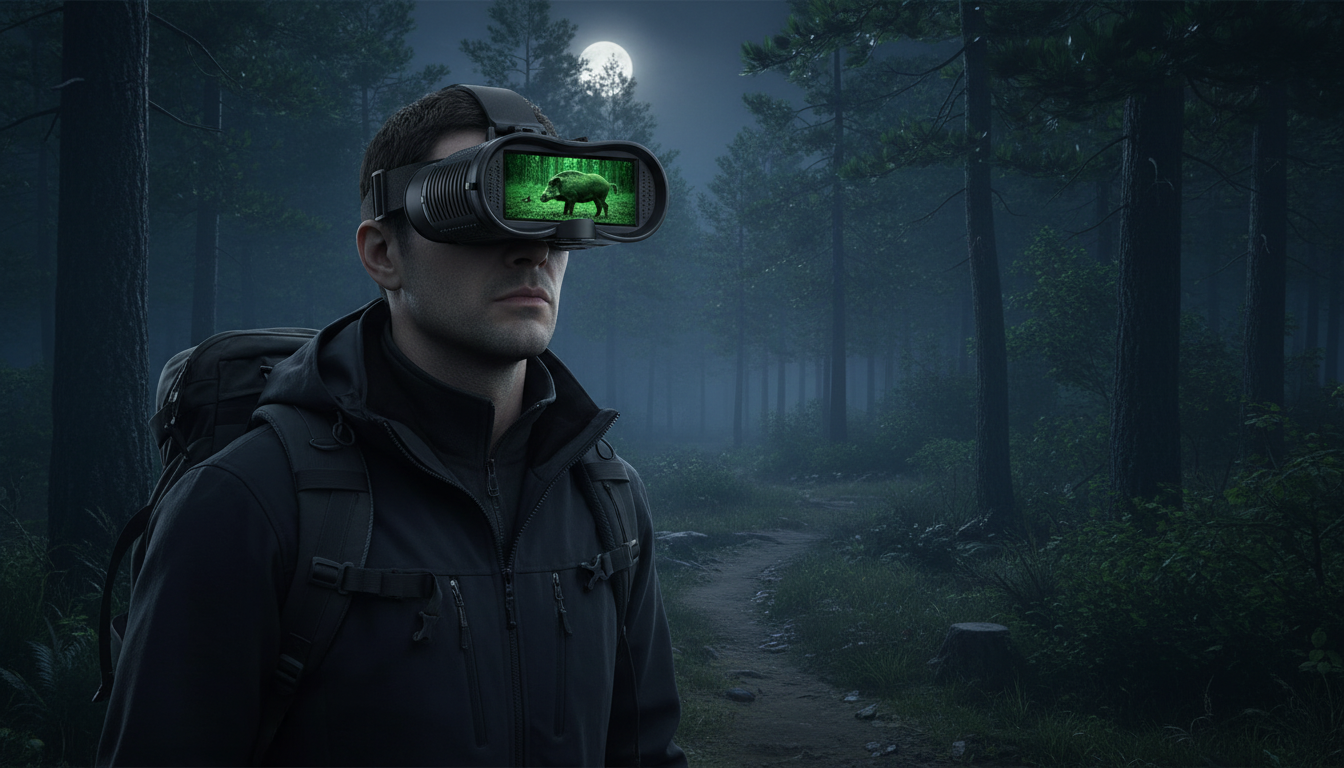
Night Vision Binoculars with Head Mount: Hands-Free Viewing After Dark
Head-mounted night vision binoculars make it easier to navigate, observe, and work in low light without constantly raising optics to the eyes. By moving the device to a stable, wearable position, the experience shifts from “spot-check viewing” to “continuous awareness,” which can be a major advantage for night hiking, property checks, and camp tasks. Below is a practical guide to what to look for, how head mounts change real-world usability, and how to set up a comfortable, stable fit for longer sessions.
What a Head-Mounted Night Vision Binocular Setup Does Differently
A head-mounted setup changes how night vision is used in the field. Instead of repeatedly lifting binoculars, you keep the image available with small head movements and quick glances.
- Keeps both hands available for hiking poles, tools, cameras, or maps while maintaining continuous viewing
- Reduces arm fatigue compared with handheld binocular use during extended scanning
- Improves situational awareness by making quick glances and head turns more natural
- Can be paired with helmets, straps, or harness styles depending on the mount design
- Best suited for walking pace observation rather than high-speed movement unless the mount is very stable
In practical terms, a head mount is most useful when the “job” involves moving and doing—opening a gate, stepping over roots, handling gear—while still needing consistent visibility.
Best-Fit Scenarios for Head-Mounted Night Vision Binoculars
Head-mounted night vision tends to shine when viewing is frequent and intermittent—lots of short checks rather than a single long, stationary look.
- Night hiking and trail navigation: frequent checks of terrain without stopping to lift optics
- Wildlife watching: steady, low-noise scanning with minimal arm movement
- Property checks and perimeter viewing: hands free to open gates, carry lights, or use radios
- Camping and night tasks: setting up gear, cooking, and moving around camp with consistent visibility
- Search tasks at close to medium range: scanning for landmarks, gear, or pets without putting optics down
For faster movement, stability becomes the deciding factor. If the unit bounces with each step, the view can feel distracting and fatiguing. For many users, a slower pace with deliberate steps delivers the best experience.
Key Features That Matter Most in Real Use
Two products can look similar on paper but feel completely different once mounted. Prioritize the features that affect comfort, stability, and ease of adjustment.
- Mount stability: a secure lockup that minimizes bounce when walking
- Weight balance: a front-heavy unit benefits from counterbalance or a snug harness to reduce neck fatigue
- Inter-pupillary adjustment: ability to match eye spacing for a comfortable, single merged view
- Focus controls: accessible dials or rings that can be adjusted while mounted
- Infrared illumination behavior: useful for very dark conditions; consider how quickly it can be toggled and whether brightness is adjustable
- Power and runtime: plan around battery type, replacement convenience, and expected operating time
- Weather resistance: basic splash/dust protection helps for field use and changing conditions
One of the biggest quality-of-life differences is how quickly you can fine-tune focus and IPD (inter-pupillary distance) without removing the unit. If adjustments require taking everything off, most people adjust less often—then wonder why the view feels “off.”
Comfort and Fit: Getting the Head Mount Dialed In
A solid fit is the difference between a useful tool and a device that ends up in the bag. Take a few minutes to set it up correctly before heading into the dark.
Quick Comparison: Head-Mounted vs Handheld Night Vision
| Feature | Head-Mounted | Handheld |
|---|---|---|
| Hands free for tasks | Yes | No |
| Arm fatigue over time | Low | Higher |
| Comfort over long sessions | Depends on fit/weight | Depends on grip/stance |
| Best for walking and working | Yes | Limited |
| Quick to share with others | Moderate | High |
Care, Storage, and Handling
Legal and Travel Notes to Consider
Travel and shipping rules can matter as much as specs, especially for international trips. Some night vision equipment may be subject to export controls; verify restrictions before international travel or shipping. For U.S. travelers, it’s worth reviewing official guidance from the U.S. Department of State – Directorate of Defense Trade Controls (ITAR Overview) and the U.S. Department of Commerce – Bureau of Industry and Security (EAR).
Product Option: Night Vision Binoculars with Head Mount
For a hands-free setup designed around mounted viewing, consider Night Vision Binoculars with Head Mount. It’s built for low-light tasks where continuous scanning is useful and keeping both hands available makes movement and work safer and smoother.
If you’re also organizing trip notes, checklists, or gear logs, the store also offers Build a Smarter Content Calendar with AI | AI-Powered Content Planning Guide, Digital Download for Creators & Entrepreneurs, Content Strategy eBook as a digital planning resource.
FAQ
Are head-mounted night vision binoculars comfortable for long use?
They can be, but comfort depends heavily on device weight, strap or harness design, and correct positioning. Even tightening, proper eye relief, and taking short breaks greatly reduce neck and pressure-point fatigue during longer sessions.
Can night vision be used in complete darkness?
Performance varies by device, but many units rely on infrared illumination when there’s little to no ambient light. Results depend on the IR strength, the distance to the subject, and how reflective the environment is.
Is it okay to travel internationally with night vision equipment?
It may be restricted under export controls depending on the device and destination. Check the rules for both departure and arrival countries, carry documentation, and avoid shipping internationally until compliance is confirmed.
















Leave a comment