Meal Planning That Cuts Grocery Bills (Without Boring Meals)
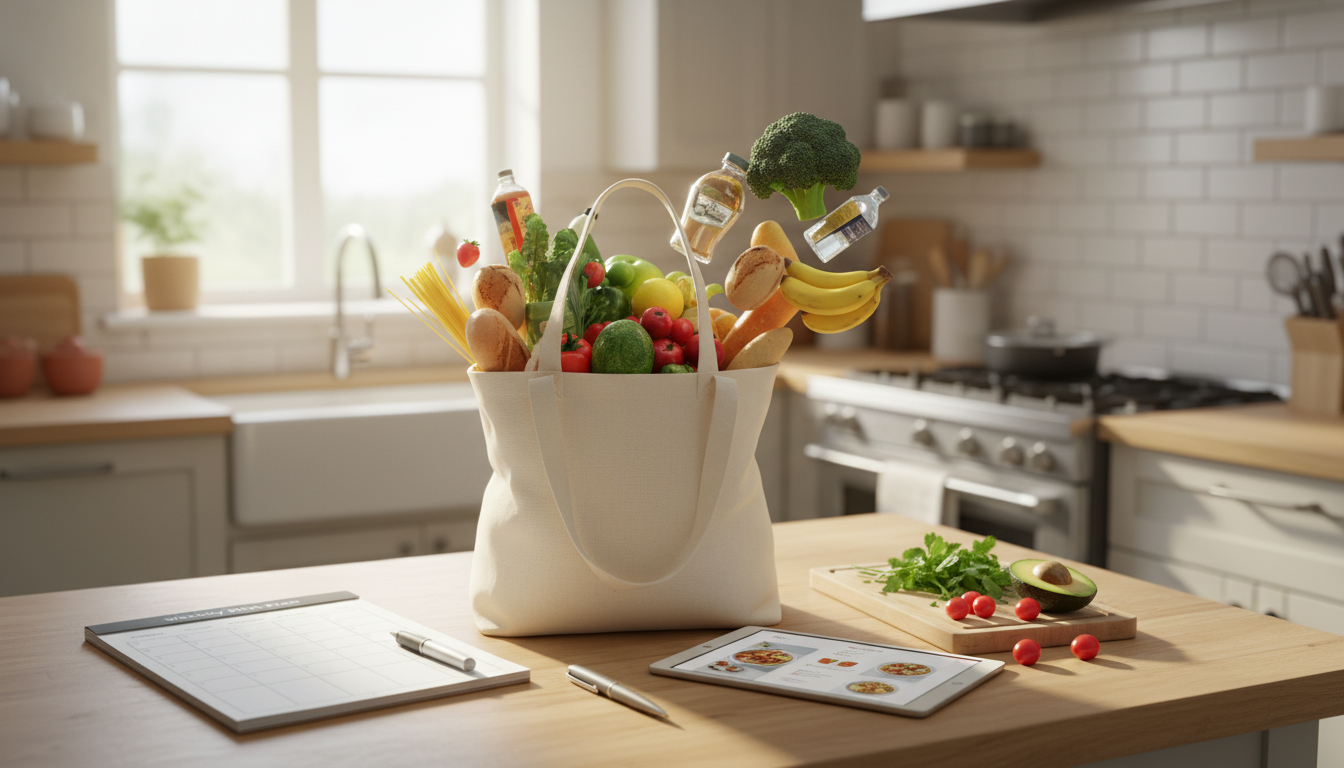
Eat Smart, Save Big: A Fun & Frugal Food Guide for Meal Planning and Lower Grocery Bills
Food costs can climb fast, especially when meals are decided at the last minute. A simple system—part budgeting, part meal planning, part smart shopping—can cut waste, reduce impulse buys, and make everyday cooking feel easier. This guide maps out practical, low-stress habits and shows how a frugal food planner can turn “What’s for dinner?” into a predictable plan that still leaves room for treats.
What “eating smart” looks like on a real budget
Eating smart doesn’t mean eating boring. It means building a few repeatable routines that protect your wallet on busy weeks and still let you enjoy what you’re cooking.
- Focus on repeatable routines: plan a few core meals, shop with a list, and keep flexible “backup” ingredients on hand.
- Spend with purpose: prioritize high-impact categories (protein, produce, staples) and reduce spending leaks (drinks, snacks, convenience foods).
- Measure progress with one number: cost per meal (or cost per serving) rather than total cart price alone.
- Build in enjoyment: a small “fun food” line item can prevent splurges later and make the plan stick.
Common grocery budget leaks and quick fixes
| Budget leak | Why it happens | Swap that saves money |
|---|---|---|
| Impulse snacks | Shopping hungry or without a plan | Add 1 planned snack item to the list and stick to it |
| Food waste | Buying with optimism, not schedule | Plan 2 “use-it-up” meals per week (stir-fry, soup, frittata) |
| Convenience meals | No time/energy on busy nights | Keep 2 freezer-friendly meals or pantry dinners ready |
| Beverages | High cost per serving | Filter water + occasional flavored add-ins |
| Overbuying meat | Buying bulk without portion plan | Pre-portion and freeze; use beans/eggs 1–2 nights weekly |
For balanced meal building without overthinking it, a simple visual guide like USDA MyPlate can help you plan plates that feel satisfying—so “saving money” doesn’t turn into constant snacking later.
A simple meal-planning method that stays flexible
Flexibility is what makes meal planning realistic. Instead of scheduling seven perfect dinners, plan for real life: leftovers, low-energy nights, and plans that change.
- Pick a planning rhythm: 5 dinners + 2 flexible nights (leftovers, breakfast-for-dinner, or pantry meals).
- Choose “mix-and-match” components: one roasted protein, one pot of grains, two sauces, and two vegetables can create multiple meals.
- Use theme nights: tacos, pasta, soup, sheet-pan, bowls—fewer decisions, less burnout.
- Plan for leftovers on purpose: cook once, eat twice—schedule leftover nights so they don’t get forgotten.
- Keep a fallback list: tuna melts, quesadillas, bean chili, frozen veggies + eggs, or rotisserie chicken meals.
One practical approach is to write dinners first, then fill lunch with leftovers on purpose. That one shift often reduces midweek “quick runs” that turn into $30 of extra items.
If you want a structured, printable framework, Eat Smart, Save Big: Your Fun & Frugal Food Guide – Learn How to Save Money on Food, Master Meal Planning, & More! walks through weekly budgeting, meal ideas, and simple routines you can repeat.
Shop smarter without chasing every deal
Saving money isn’t about visiting five stores or spending hours couponing. It’s about reducing “oops” purchases and buying the right quantities of the right items.
- Start with inventory: check fridge, freezer, and pantry before writing the list to avoid duplicates.
- Set a store order strategy: buy produce last, stick to outer aisles, and limit “bonus” items to one small treat.
- Compare by unit price: the lowest sticker price isn’t always the best value for the number of servings.
- Use store brands strategically: staples like oats, rice, pasta, canned beans, and frozen vegetables are often the easiest win.
- Shop seasonally and frozen: frozen fruits/veg can cut waste and keep costs predictable year-round.
Food prices can swing over time, so it helps to focus on habits you control (planning, waste, and portions) more than short-term price spikes. For broader context on food inflation trends, the U.S. Bureau of Labor Statistics Consumer Price Index is a reliable reference.
Stretch ingredients into more meals (without feeling repetitive)
To cut waste even further, use trusted storage guidance so produce and leftovers last as long as possible. The USDA FoodKeeper App is a helpful tool for storage timelines and tips.
Make the system fun: frugal challenges that actually work
A practical guidebook for saving money on food and planning meals
For a ready-to-use toolkit, Eat Smart, Save Big: Your Fun & Frugal Food Guide is a digital download designed to help you set up a simple weekly process and stick with it.
If you also like planning systems in other parts of life, Build a Smarter Content Calendar with AI | AI-Powered Content Planning Guide applies a similar “reduce the daily decisions” approach to content planning.
And for anyone turning frugal living into an online project, How to Start a Money Blog – Ultimate Beginner’s eBook lays out the basics of building a money-focused blog step by step.
FAQ
How much can meal planning realistically save on groceries?
Many households see meaningful savings simply from buying fewer impulse items and throwing away less food. Track one month of spending and waste, then compare it to a month with a plan and a list to see your personal “before and after” difference.
What are the best cheap meals for busy weeknights?
Fast low-cost options include bean chili, eggs with frozen veggies, pasta with a simple sauce and mixed vegetables, sheet-pan dinners, and rotisserie chicken repurposed into tacos, bowls, or soup.
How can food costs go down without eating the same thing every day?
Use mix-and-match components (a protein, grain, veggies) and rotate sauces and spice blends to change the flavor profile. Plan leftovers as a different format—like taco filling becoming rice bowls or a quick soup—so it feels new.
















Leave a comment