Daily Wellness Checklist: Physical Habits for Better Mood
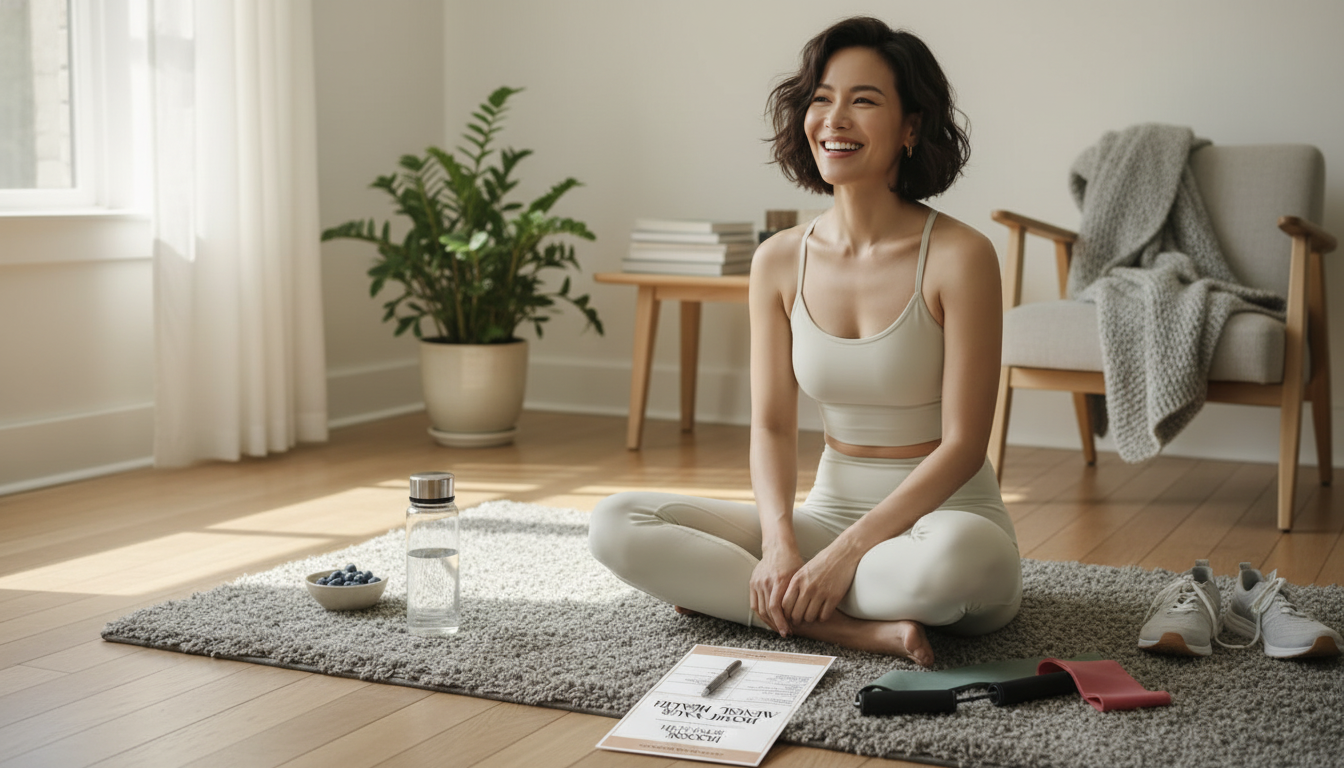
Boost Your Mental Health Through Physical Habits: A Printable Daily Wellness Checklist and Self-Care Planner
Mental well-being often improves when the body gets consistent care: sleep, movement, nourishment, hydration, sunlight, and simple routines that lower daily stress. A practical checklist turns “healthy habits” into small actions that can be tracked, adjusted, and repeated—especially on busy or low-energy days. The goal isn’t perfection; it’s creating enough structure to make the next good choice easier.
Why physical habits can change how the mind feels
Daily behaviors shape mood, stress reactivity, attention, and resilience. When sleep is steadier, energy is more stable, and the nervous system gets regular “downshifts,” it’s often easier to think clearly and respond rather than react.
- Better inputs, better outputs: sleep quality, energy balance, and movement all influence how stressed or grounded you feel.
- Routines reduce decision fatigue: repeating the same simple actions creates predictability—especially helpful when motivation is low.
- Small habits compound: a 5–10 minute practice most days can beat occasional “perfect” days that are hard to repeat.
Start with the foundation: sleep, light, and a gentle morning reset
If one area deserves priority, it’s the sleep–wake rhythm. A consistent wake time anchors the day, while a short wind-down tells the brain it’s safe to power down. For practical guidance on sleep health, the CDC offers clear, research-backed basics at CDC: Sleep and sleep disorders.
- Keep a consistent wake time most days: even if bedtime varies, waking at a similar time supports circadian stability.
- Get early daylight when possible: outdoor light in the first hour after waking can help alertness and nighttime sleepiness.
- Create a “minimum viable morning”: on hard days, aim for water + light + 2 minutes of breathing.
- Reduce common sleep disruptors: late caffeine, heavy meals near bedtime, and long stretches of nighttime screen time.
Movement that supports mood (without burnout)
Movement is a reliable mood lever, but it works best when it’s sustainable. Consistency beats intensity, and the right dose should leave you more capable afterward—not depleted. The APA summarizes how exercise can buffer stress here: American Psychological Association: Exercise and stress.
- Aim for repeatable activity: walking, mobility work, yoga, or light strength training all count.
- Use “snack movement”: 3–5 minutes a few times a day lowers the barrier and helps stiffness and energy.
- Add one uplifting element: music, a favorite route, or a quick friend check-in can make it easier to come back tomorrow.
- Track how you feel: note changes in mood and sleep rather than focusing only on performance metrics.
For general physical activity recommendations, see World Health Organization: Physical activity.
Nutrition and hydration habits that stabilize energy
Stable energy supports steadier moods. Skipping meals or relying on quick sugar hits can lead to crashes that feel like irritability, anxiety, or brain fog. A few default options reduce effort and keep you fueled.
- Build a steady baseline: regular meals or balanced snacks can reduce energy dips and emotional reactivity.
- Keep it simple: protein + fiber + color (fruit/veg) + water is a dependable template.
- Pick one default meal/snack: yogurt + fruit + nuts; eggs + toast; hummus + veggies; cottage cheese + berries.
- Use hydration cues: water at wake-up, with meals, and mid-afternoon covers most of the day.
Calm the nervous system with short, repeatable cues
Long relaxation sessions can be great, but short practices are more likely to happen on stressful days—when you need them most. Think of these as “micro-resets” that reduce intensity and help you return to the next task.
Printable daily wellness checklist: a simple structure for better days
Daily Wellness Checklist (Baseline + Bonus)
| Category | Baseline (low effort) | Bonus (if capacity allows) |
|---|---|---|
| Sleep | Same wake time; 10-minute wind-down | No screens 60 minutes before bed |
| Light/Air | 5 minutes outside or by a window | 10–20 minute outdoor walk |
| Hydration | 2–3 glasses of water by afternoon | Add electrolytes if needed |
| Movement | 5 minutes mobility or walking | 20–30 minutes moderate activity |
| Food | Protein with first meal | Add a high-fiber side (fruit/veg/beans) |
| Calm | 2 minutes slow breathing | 10 minutes meditation or journaling |
| Connection | One supportive message | Plan a short call or shared activity |
A self-care planner routine that lasts beyond the first week
Digital guide and printable planner to support daily consistency
Boost Your Mental Health Through Physical Habits | Printable Daily Wellness Checklist & Self-Care Planner is designed to help you build a baseline routine, add “bonus” habits when you have the capacity, and capture simple notes on mood and energy.
For those who stay consistent when they can plan ahead, Build a Smarter Content Calendar with AI | AI-Powered Content Planning Guide can also support structured weekly planning—use the same approach to map workouts, meal defaults, and recovery blocks so they’re easier to follow through on.
FAQ
Which physical habit tends to help mental well-being the fastest?
Many people notice quick benefits from a consistent sleep/wake time, a short daily walk (especially outdoors), and basic hydration. Results vary, but stacking small habits usually works better than trying to overhaul everything at once.
How long does it take for a daily wellness checklist to feel natural?
Routine familiarity often builds in about 1–3 weeks, while deeper habit change can take longer. Starting with a baseline list and doing a short weekly review helps you adjust and stick with it.
Can a checklist replace therapy or medical care?
No. A checklist is a supportive self-care tool, not a substitute for therapy, diagnosis, or treatment. If symptoms are persistent, severe, or involve safety concerns, reaching out to a licensed professional or local crisis resources is important.















Leave a comment