Flower Cat Tree Benefits: Happy Cats, Protected Furniture
What are the benefits of flower cat trees?
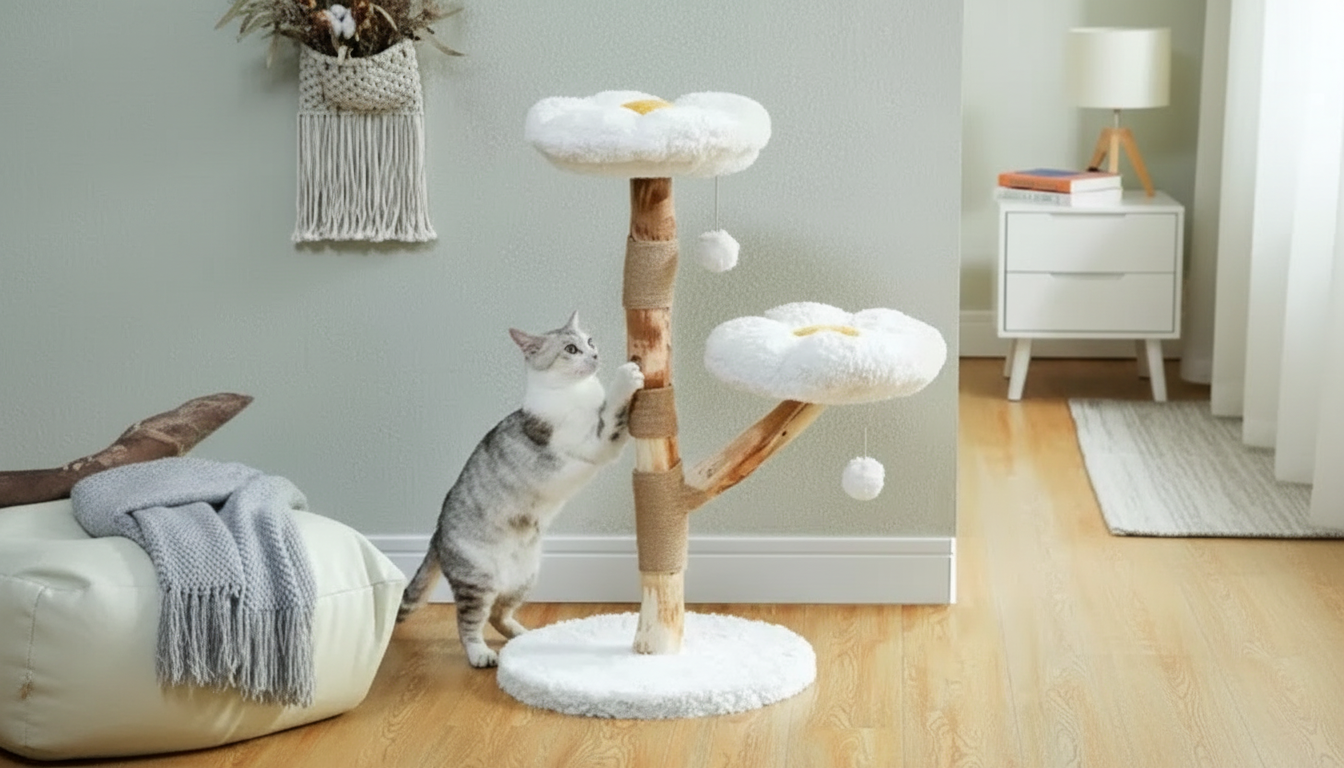
Flower cat trees combine practical cat furniture features with a playful, pet-safe floral look. Beyond being cute décor, they’re designed to support everyday feline needs—climbing, scratching, lounging, and hiding—while helping protect your home from wear and tear.
They encourage healthy activity and reduce boredom
Cats thrive when they can climb, perch, and survey their space. A flower cat tree adds vertical territory, which promotes movement and stretching throughout the day. That extra activity can help indoor cats stay engaged, burn energy, and avoid boredom-related behaviors like excessive meowing or destructive scratching.
They protect furniture by offering dedicated scratching zones
Most flower cat trees include scratching posts (often sisal-wrapped) that give cats an appropriate surface to claw. This supports nail health and scent marking while steering scratching away from couches, rugs, and doorframes—especially when the tree is placed near a favorite nap spot or window.
They create comfort, security, and a “safe spot”
Cozy platforms, petal-shaped beds, and enclosed cubbies can provide cats with spaces that feel sheltered and predictable. Elevated perches can also reduce stress in multi-pet homes by giving cats a retreat that’s off the ground and out of traffic.
They can improve household harmony
Vertical space helps cats share territory without constant face-to-face conflict. With multiple levels and separate resting spots, a flower cat tree can reduce resource competition and give each cat a place to relax, watch, or nap.
They enhance room style without sacrificing function
The flower design is a major perk for many homes: it looks more like décor than standard pet furniture. When a cat tree blends in aesthetically, it’s more likely to be placed in a prime location—making it more appealing to cats and more useful overall.
For a deeper look at styles, features, and choosing the right size, visit the complete guide: https://puriture.com/guide-flower-cat-tree-guide/.
FAQ
What size flower cat tree should I get for my cat?
Choose a size based on your cat’s weight, climbing habits, and available floor space. Larger cats typically need wider platforms and a sturdier base, while active climbers often prefer taller options with multiple levels.












Leave a comment