Flower Cat Tree Guide: Stable, Stylish & Cat-Approved
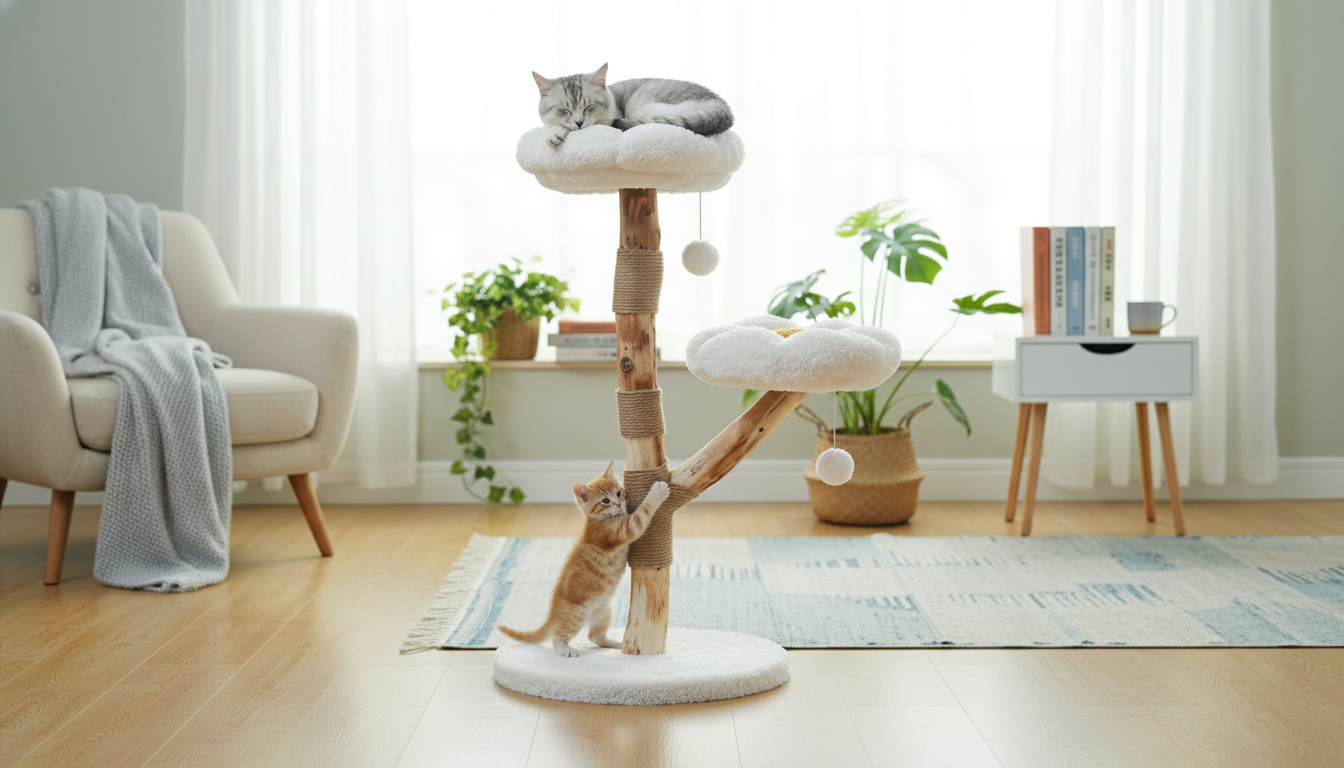
Flower Cat Tree: A Cozy Climbing and Lounging Spot With a Playful Look
A cat tree can do more than save the couch—it can become a dedicated space for climbing, scratching, resting, and watching the room. A flower-themed cat tree adds a soft, decorative touch while still delivering the essentials cats look for: stable perches, scratchable surfaces, and snug nap zones.
Well-designed vertical space supports natural feline behaviors like perching, stretching, and observing. Organizations that focus on feline wellbeing consistently highlight environmental enrichment and “cat-appropriate” spaces as a practical way to support calmer, more confident cats (see AAFP’s Feline Environmental Needs Guidelines and guidance from International Cat Care).
What a Flower-Style Cat Tree Adds to a Home
- Gives cats a defined vertical territory, which can help reduce boredom and encourage healthy movement.
- Offers multiple “zones” in one footprint: scratching, perching, and sleeping areas.
- Blends into decor more easily than many traditional carpeted towers, especially in bright or minimalist rooms.
- Creates predictable hangout spots that can make introductions (new pets, guests, routine changes) feel calmer for many cats.
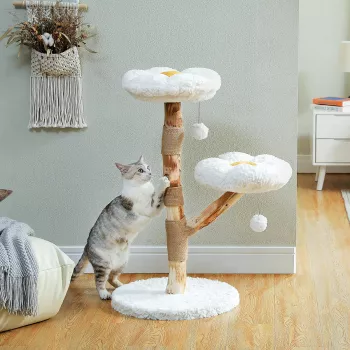
A flower look is more than cute—soft, rounded platform shapes and petal-like perches can feel inviting to cats that prefer supportive edges. For people, it’s an easy way to keep cat furniture from looking purely utilitarian in a living room or bedroom.
Key Features to Look For Before Buying
- Stability: a wide, heavy base and solid post connections to prevent wobble when cats jump or stretch.
- Scratch surfaces: sisal-wrapped posts (or similarly durable fiber) sized tall enough for a full-body stretch.
- Perch design: platforms that are large enough for your cat to turn around comfortably, with supportive edges if your cat likes to lean.
- Sleep spaces: a cozy bed or enclosed nook for cats that prefer sheltered naps.
- Materials and upkeep: fabrics that resist snagging, plus surfaces that are easy to vacuum or spot-clean.
- Room fit: height and footprint that match your space and your cat’s habits (climber vs. lounger).
If a cat tree looks great but shifts when your cat launches onto the top level, it won’t become a trusted hangout. Prioritizing a stable build and a sensible layout pays off quickly—especially in homes with energetic cats or multiple pets sharing the same “cat zone.”
Choosing the Right Size and Layout for Your Cat
- For kittens and agile climbers: prioritize multiple levels and a safe, grippy climb path between platforms.
- For adult cats that love to lounge: look for wider platforms and a stable top perch near a window or favorite room.
- For larger or senior cats: prioritize sturdiness, lower step-up heights between platforms, and roomy beds.
- For multi-cat homes: more than one perch and at least two distinct resting spots can help reduce competition.
- For scratch-focused cats: include at least one tall scratch post and consider placement near the cat’s usual scratch targets.
Quick Match Guide: Home Setup and Cat Needs
| Situation | Helpful cat-tree features | Placement tip |
|---|---|---|
| Small apartment | Vertical height with compact footprint; multi-level platforms | Place near a window to add “cat TV” without taking more floor space |
| Cat scratches the sofa corners | Tall scratch post; stable base for full-body stretching | Put the tree right next to the scratched area at first, then gradually move if needed |
| Single cat that naps often | Cushy bed or hammock-like perch; soft, supportive platform edges | Choose a quieter corner with a view of the room |
| Two cats share spaces | Multiple perches; separate resting zones | Avoid tight hallways; give a clear approach path on at least two sides |
| Senior cat | Lower step-ups; wide platforms; very stable build | Place close to favorite hangout areas to reduce unnecessary jumping |
Where to Place It for Maximum Use
If the goal is less couch scratching, location matters as much as the tree itself. Placing the scratch post where your cat already “votes with their paws” is often the fastest path to a new habit. The ASPCA’s enrichment guidance also reinforces the value of providing appropriate outlets for normal behaviors like climbing and scratching (ASPCA: Enriching Your Cat’s Life).
Helping Cats Start Using It (Without Stress)
Care and Safety Checks Over Time
Product Spotlight: Flower Cat Tree
The Flower Cat Tree is a decorative, flower-inspired cat tree designed to support everyday climbing, scratching, and lounging. It’s a strong fit for households that want cat furniture to feel intentional in the room rather than purely functional, and it can work especially well as a dedicated “cat zone” near a window or in a commonly used living space.
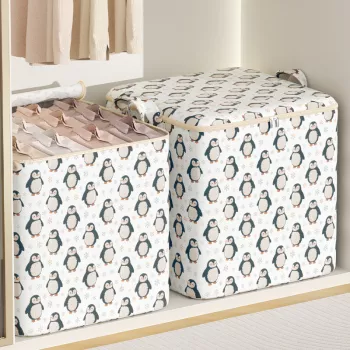
For day-to-day upkeep, having a place to stash seasonal throws, spare cushion covers, or extra pet blankets can make quick cleanups easier—especially if your cat likes rotating “favorite” nap fabrics. The Large Capacity Dust-Proof Blanket & Clothing Storage Bag can help keep those items contained and tidy.
FAQ
Is a flower-style cat tree stable enough for jumping cats?
It can be, as long as the base is wide and heavy, the posts are thick, and the hardware stays tightened. Set it on a level surface and re-check screws periodically, since stability can gradually loosen with regular jumping and stretching.
How do you get a cat to stop scratching the couch and use the cat tree instead?
Place the cat tree right next to the couch corner your cat targets, then reward any investigation or scratching on the post with treats or praise. Adding catnip (if your cat likes it) and temporarily covering the scratched couch area can help the new routine stick.
Where is the best place to put a cat tree?
Near a window is often ideal because it adds climbing plus an outdoor view, but many cats also use a tree more when it’s placed in a social room. Avoid loud, sudden-noise areas and leave clear space for comfortable jumping on and off.














Leave a comment