300W 204Wh Solar Power Station: Fast Charging Guide
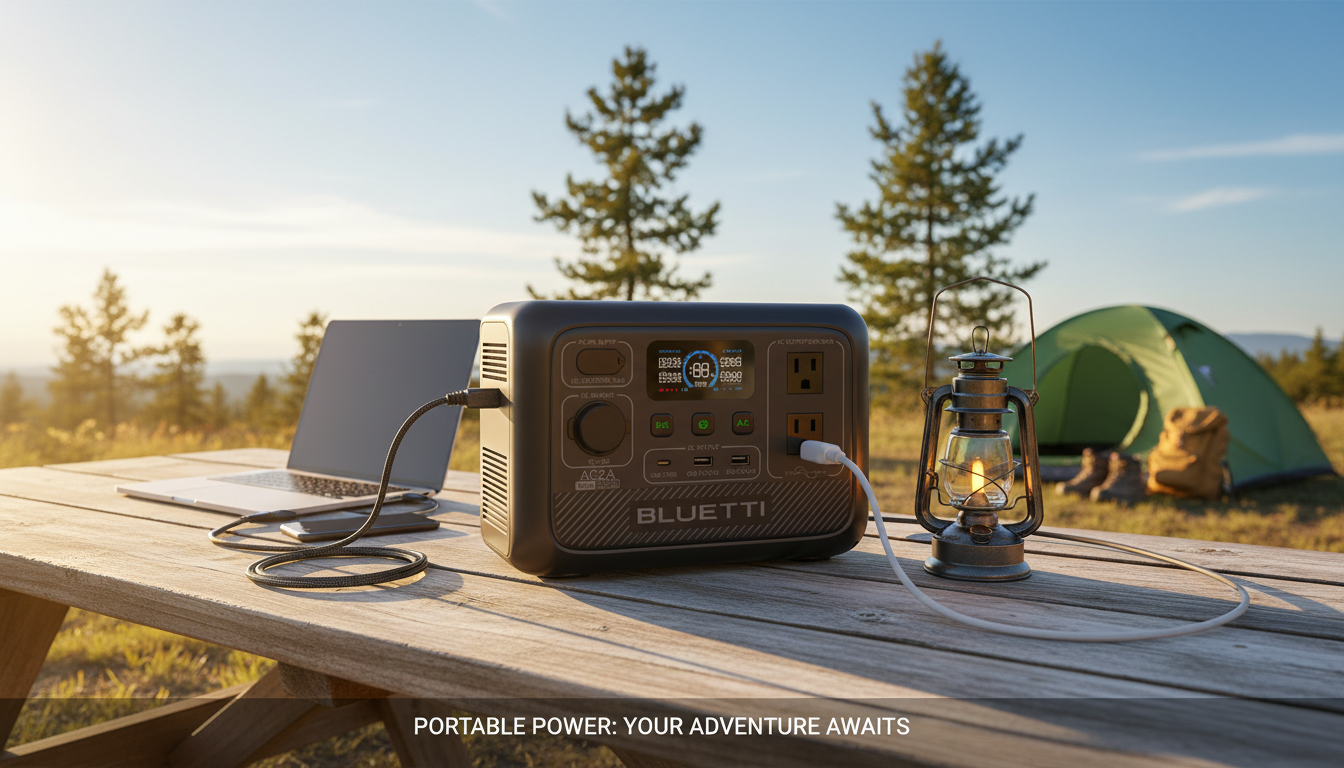
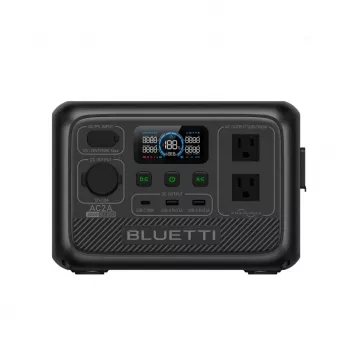
Portable 300W / 204Wh Solar Power Station with Fast Charging: Small Power, Big Convenience
A compact power station can cover the gap between a dead phone and a real outage plan—handling quick top-ups, small appliances, and essential electronics when outlets aren’t available. This guide breaks down what a 300W / 204Wh class unit can realistically run, how fast-charging changes day-to-day usability, and what to look for when pairing it with solar.
If you’re shopping for this size category, the Portable 300W 204Wh Solar Power Station with Fast Charging is a practical fit for charging-focused backup, travel, and solar-friendly top-ups.
What This Power Station Is Built For
A 300W / ~204Wh power station is designed for short-duration power and flexible portability—not for running an entire kitchen or powering high-heat appliances.
- Short-duration power for essentials: phones, tablets, cameras, drones, routers/modems, CPAP (check wattage), small fans, and LED lighting.
- Portable backup during brief outages: keeping communications and low-watt devices running so you can stay connected.
- Travel and outdoor use: car camping, overlanding, tailgates, and remote work setups where quiet power matters.
- Solar-friendly top-ups: helpful when the grid is unavailable—charging speed depends on panel size, sunlight, and the unit’s controller limits.
Key Specs That Matter (Beyond the Headline Numbers)
Two numbers—“300W” and “204Wh”—tell only part of the story. The best experience comes from matching the specs to how you actually use power.
- Capacity (Wh): watt-hours indicate stored energy. Usable energy is typically lower after conversion losses (often 10–20% or more, depending on output type and load).
- Inverter output (W): this determines which AC devices can run. Staying under the continuous limit improves stability and reduces heat.
- Fast charging: a faster recharge can make a small station feel dramatically more “ready,” especially between errands, travel days, or storm-related outages.
- Port selection: prioritize the mix you use most (AC, USB-A, USB-C, DC) and whether you’ll power multiple devices at once.
- Weight and handle design: portability is the point—comfort matters if it’s moved frequently between rooms, vehicles, and campsites.
- Battery protections: look for safeguards like over-current, over-voltage, and temperature protection, plus clear operating guidance.
For a quick reference on how portable power stations fit into household preparedness, the U.S. Department of Energy provides a helpful overview: U.S. Department of Energy — Portable Power Stations.
What 204Wh Can Run: Realistic Runtime Expectations
A simple way to estimate runtime is:
Runtime (hours) ≈ usable watt-hours ÷ device watts
Because conversion and inverter losses reduce what you can actually use, many people plan with a conservative usable range (for example, 80–90% of capacity for DC/USB loads and sometimes less for AC loads, depending on efficiency). Also, watch for startup surges: some devices briefly spike above their rated watts, so leaving headroom under a 300W-class limit helps avoid shutdowns.
| Device | Typical Power Draw | What to Expect from ~204Wh |
|---|---|---|
| Smartphone charging | 10–15W | Multiple full charges depending on phone battery size and charging losses |
| Laptop charging | 45–90W | Often 1–3 charges depending on laptop battery and usage while charging |
| Wi‑Fi router/modem | 10–20W | Several hours of connectivity backup |
| LED light strip/lamp | 5–15W | Long-duration lighting for evenings |
| Small fan | 20–40W | A few hours, longer at low speed |
| Mini projector (varies) | 60–120W | A short session; efficiency and brightness modes matter |
In practice, this size category shines when you favor USB and DC outputs for electronics. High-watt AC loads can drain a 204Wh station quickly, so it’s best matched to charging, lighting, networking gear, and small comfort devices rather than heating appliances.
Fast Charging: Why It Changes Usability
Fast charging isn’t just a convenience feature—it changes how often a compact station is actually “full enough” to be useful.
- Shorter recharge windows: makes a small capacity unit more practical between commutes, day trips, or brief outage periods.
- Opportunistic charging: quick top-ups from a wall outlet, vehicle port, or generator become more meaningful when you can add usable capacity in less time.
- Better readiness: instead of planning an overnight recharge, you can maintain a higher state of charge and grab it when needed.
- Mind total output limits: when several ports are in use, the station still has a maximum total output—balance “fast device charging” with powering other gear.
Solar Charging Basics (What Affects Speed the Most)
Solar charging can extend your runtime and improve resilience, but real-world results depend on variables outside your control.
For broader context on solar irradiance and conditions that can influence solar performance, NOAA offers background information and monitoring resources: NOAA — Space Weather and Solar Irradiance Factors.
Safety and Battery Care for Longer Service Life
Who This 300W / 204Wh Class Power Station Fits Best
Recommended Picks Available Now
- Portable 300W 204Wh Solar Power Station with Fast Charging
- Build a Smarter Content Calendar with AI | AI-Powered Content Planning Guide (Digital Download)
FAQ
Can a 204Wh power station run a refrigerator?
Generally not for long; most fridges have high running watts plus compressor startup surges. A small 204Wh unit may handle only very short operation (if it can start it at all) and is better suited to low-watt essentials.
What does 300W mean on a portable power station?
It’s the approximate continuous AC output limit of the inverter. Devices with higher continuous draw—or large startup surges—may trigger protection and shut off, so staying below the limit improves stability.
How much solar panel wattage is practical for charging?
Choose a panel size that matches the unit’s solar input capability and real conditions. Higher-watt panels can help, but charging speed is capped by the station’s input limits and reduced by clouds, angle, and shading.















Leave a comment