4-Person Pop-Up Waterproof Tent: UV & Ventilation
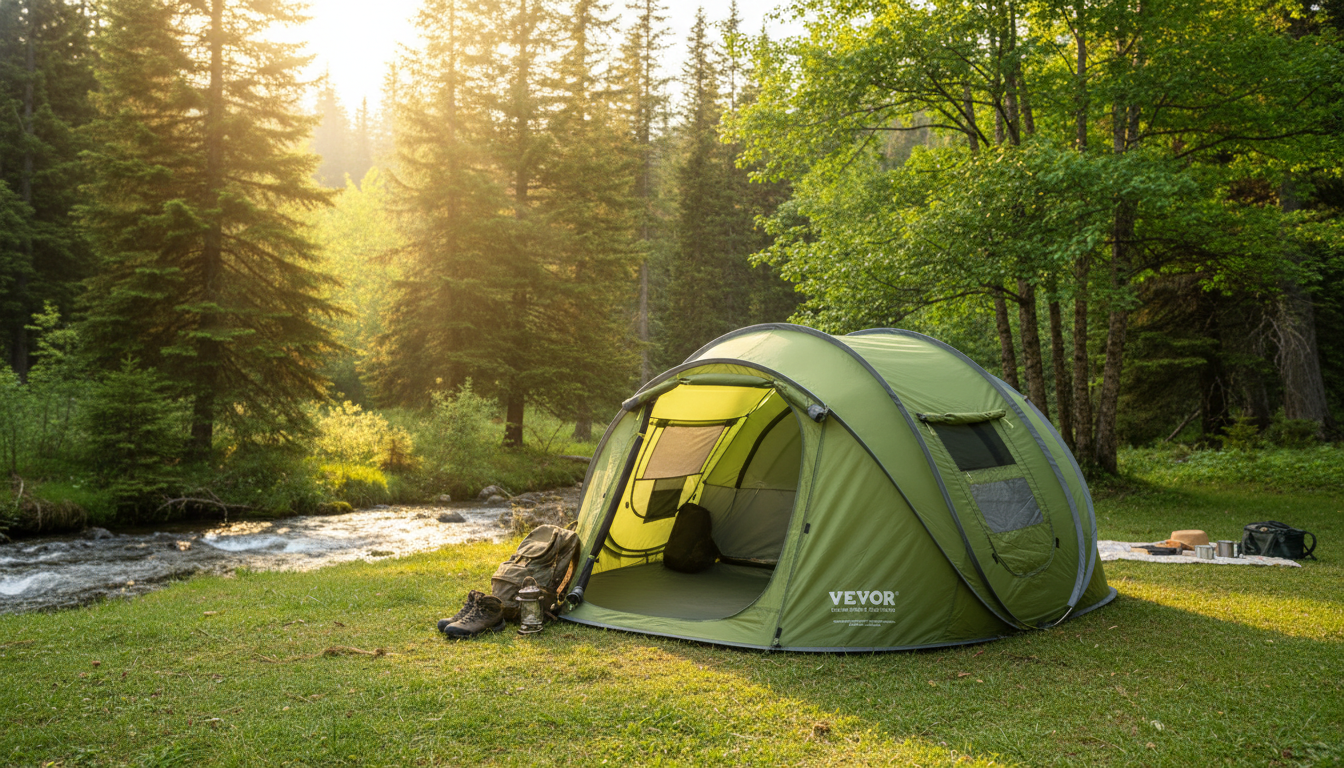
4-Person Pop-Up Waterproof Camping Tent with UV Protection & Ventilation
A pop-up tent can remove the most frustrating part of camping—setup—while still delivering real weather protection and comfort. This 4-person pop-up model focuses on three practical needs for family trips, festivals, and quick weekend getaways: staying dry during surprise rain, reducing sun exposure on bright days, and keeping air moving to minimize heat and condensation.
What this tent is designed for
- Fast setup for short-stay camping, day-to-night beach or park use, and festival weekends where convenience matters.
- Sleeping space aimed at up to four people, with more comfort for two adults plus gear when packing bulky items.
- Better warm-weather livability through ventilation features that help reduce stuffiness and interior moisture.
- Extra sun-facing usability with UV protection for daytime shade and extended outdoor lounging.
Quick spec snapshot
Use this overview to compare needs (capacity, protection, and airflow) before diving into details. Best results come from pairing the tent with smart pitching habits: higher ground, taut fabric, and good drainage around the perimeter.
At-a-glance checklist
| Feature | What it helps with | Practical tip |
|---|---|---|
| Pop-up frame | Rapid setup and fewer parts to manage | Practice once at home so fold-down is quick at the campsite |
| Waterproof shell | Staying dry during rain and wet grass | Stake and tension the rain-facing panels to prevent pooling |
| UV protection | More comfortable shade in strong sun | Reposition during the day as sun angle changes |
| Ventilation panels/mesh | Lower heat and reduced condensation | Keep vents cracked open even in light rain if design allows |
| 4-person interior | Family/friends sleeping space | For roomy comfort, plan 2–3 sleepers plus bags |
Pop-up setup: what to expect at the campsite
- Pop-up tents prioritize speed: unfold, allow the frame to expand, then anchor with stakes and guylines for stability.
- A fast pitch still needs a careful site choice: avoid low spots where water collects and choose compacted, level ground.
- Wind handling improves dramatically when the corners are fully staked and the fabric is evenly tensioned.
- Pack-down is usually the learning curve; folding in the correct sequence keeps the frame from twisting and speeds repacking.
For quick overnights or a late arrival at camp, that “set up first, fine-tune second” rhythm is the main advantage. Pop it open, stake it immediately, then adjust tension so panels sit smooth and rain can shed instead of collecting.
Waterproof performance that actually holds up
- Waterproofing works best when fabric, seams, and pitching technique work together—especially in steady rain.
- Keep the outer surface taut so water runs off instead of pooling, which can force moisture through contact points over time.
- Use a groundsheet or footprint if camping on wet ground; it helps limit moisture transfer and protects the floor from abrasion.
- After trips, dry the tent fully before storage to help prevent mildew and preserve coatings.
If heavy rain is expected, prioritize three habits: choose slightly elevated ground, keep fabric from sagging, and avoid pressing sleeping bags or duffels directly against the walls. Contact points can wick moisture inward, even when the material is performing as intended.
For storm safety planning beyond simple rain protection, review lightning guidance from the National Weather Service — Lightning Safety and avoid exposed ridgelines or lone trees when thunder is in the area.
UV protection for daytime comfort
- UV-protective materials can make a noticeable difference for midday shade, especially at open campsites and beaches.
- Shade quality still depends on orientation: facing the door away from direct afternoon sun can reduce interior heat buildup.
- Even with UV-protective fabric, sun safety basics matter—protective clothing, shade breaks, and sunscreen during peak hours.
UV protection is most valuable when the tent pulls double duty as a daytime shelter—think lunch breaks at the trailhead, kids’ rest time at a campground, or a shaded hangout between festival sets. If you’re camping somewhere wide open, check the day’s UV conditions using the NOAA — UV Index and plan your shade accordingly.
Sun safety still matters even with protective fabric; the CDC — Sun Safety recommendations are a good baseline for clothing, sunscreen timing, and shade breaks.
Ventilation and condensation control
- Ventilation supports comfort and helps reduce condensation, which happens when warm interior air meets cooler fabric.
- Mesh panels and vents encourage cross-breeze; opening two sides (when conditions allow) improves airflow more than a single opening.
- On humid nights, keep high vents open and avoid drying wet clothing inside, which adds moisture to the air.
- In cooler weather, balance warmth and airflow by cracking vents slightly instead of sealing everything shut.
Comfort and space planning for four campers
Care, maintenance, and storage
When this tent is a great fit (and when to consider another style)
In-stock picks
- 4-Person Pop-Up Waterproof Camping Tent with UV Protection & Ventilation ($89.01)
- Flower Cat Tree ($116.01)
FAQ
How long does a pop-up tent take to set up and pack away?
Setup is typically very fast: unfold, let the frame expand, then stake it down for stability. Packing away often takes a few minutes longer until the fold sequence becomes familiar, so a quick practice run at home helps.
Will a waterproof tent still leak if it rains hard?
It can if it’s not properly staked and tensioned, if seams are compromised, or if gear presses against the walls and creates wicking points. Use a footprint on wet ground, keep fabric taut, and dry the tent fully after the trip to preserve coatings and reduce mildew.
How can condensation be reduced inside a camping tent?
Keep vents open to maintain airflow, and aim for cross-ventilation when conditions allow. Avoid bringing wet clothing inside and, if possible, camp where a light breeze can move humid air out of the tent.














Leave a comment