App-Controlled Self-Cleaning Litter Box for Multi-Cat Homes
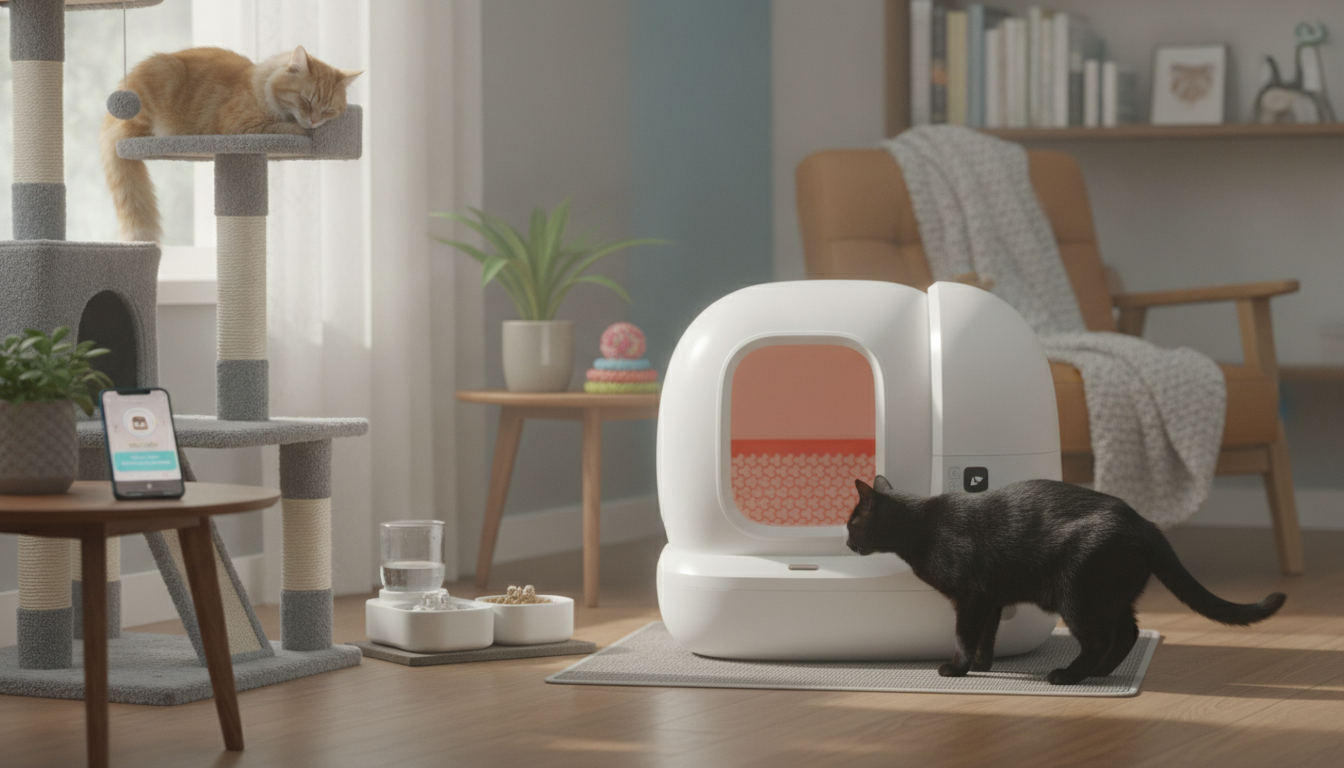
Smart Self-Cleaning Cat Litter Box with App Control for Multiple Cats
Multi-cat homes can turn litter upkeep into a daily chore—especially when odor control, tracking habits, and keeping the area clean all matter at once. A smart self-cleaning box adds automated sifting plus app-based insights to help keep routine mess and guesswork to a minimum. By clearing waste soon after each visit and logging patterns over time, it supports a fresher litter bed and a more predictable routine for everyone in the household.
What a Smart Self-Cleaning Box Changes in a Multi-Cat Home
When more than one cat shares a litter area, small problems escalate fast: a slightly dirty box becomes “unusable” for a picky cat, odor builds quickly, and it’s harder to tell which cat is changing their bathroom habits. A smart self-cleaning box addresses those friction points with automation and visibility.
- Reduces scoop frequency by automatically separating waste after each visit or on a schedule.
- Helps manage shared-litter dynamics by logging visits and changes in patterns that can signal stress or illness.
- Keeps the litter bed more consistent, which can improve acceptance when multiple cats share one area.
- Limits odor buildup by removing waste sooner and keeping a covered, contained waste compartment.
For general cat-care guidance and behavior considerations, helpful references include the American Veterinary Medical Association (AVMA) cat care resources and International Cat Care’s litter tray management.
At-a-Glance Capabilities
A good multi-cat setup balances three priorities: fast cleanup between visits, predictable operation (so cats aren’t startled), and an app that provides information you’ll actually use.
| Capability | Why it matters for multiple cats | What to confirm during setup |
|---|---|---|
| Automatic cleaning cycle | Keeps the litter bed fresh between visits, reducing conflicts and odor | Set cycle timing to avoid running while cats linger nearby |
| App control and activity logs | Tracks frequency changes that may indicate issues in one cat | Create profiles if supported; verify notifications and permissions |
| Waste storage compartment | Fewer daily trips to the trash even with heavier use | Line fit, lid seal, and emptying routine |
| Odor management | Shared boxes can smell quickly without fast waste removal | Use compatible litter and keep filters/vents clean if included |
| Multi-cat throughput | Prevents long “dirty box” windows that cause accidents | Confirm cycle speed and how soon it runs after a visit |
App Control That’s Actually Useful
App features are most valuable when they reduce daily mental load—especially in a busy home where multiple cats share one box. Useful controls and insights typically include:
- Remote start/stop for a cleaning cycle when the room is clear.
- Usage history to spot sudden increases or drops in litter box visits.
- Alerts for a full waste bin, errors, or missed cycles (depending on app features).
- Household-friendly scheduling so cleaning happens during predictable windows (for example, while everyone is at work or overnight when the hallway is quiet).
If the app supports separate cat profiles (often via weight or pattern detection), use them—but still treat the data as a “heads-up,” not a diagnosis. For deeper context on house-soiling concerns and when to seek help, the Cornell Feline Health Center is a reliable reference.
Multi-Cat Fit: Capacity, Placement, and Daily Flow
Placement can matter as much as the box itself. With multiple cats, litter box traffic has a “rush hour,” and an awkward location can create tension, guarding, or avoidance.
- Plan for traffic: place the box where cats can approach from more than one direction to avoid bottlenecks.
- Provide at least one additional litter option during the transition period to prevent stress.
- Consider an adjacent mat and a small “staging” zone to reduce tracking when multiple paws exit frequently.
- If one cat guards the area, relocate to a quieter spot and avoid corners that trap another cat.
Safety and Comfort Features to Look For
Automation should never come at the cost of comfort or confidence. In multi-cat homes, one nervous cat can derail acceptance for the whole group.
Setup Tips for a Smooth First Week
Cleaning and Maintenance Routine
Odor Control and Litter Choices
When This Type of Box Makes the Most Sense
Product Options Available Now
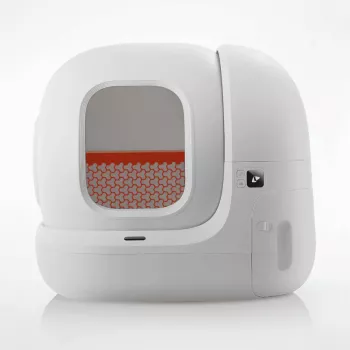
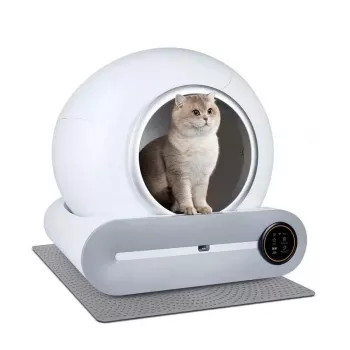
- Smart Self-Cleaning Cat Litter Box with App Control for Multiple Cats: automated cleaning paired with app-based monitoring for shared-box households. Best practice: keep a second box available during the adjustment period, then reassess based on usage and any guarding behavior.
- Floating TV Stand with 36″ Electric Fireplace and High Gloss Finish: a tidy, space-saving option for creating a calmer corner near your cat area (helpful when you want the litter zone away from main traffic).
- 7-Piece All-Weather Wicker Patio Furniture Set with Cushions & Pillows: an outdoor seating upgrade if you’re refreshing shared living areas while reorganizing indoor pet zones.
FAQ
Is one self-cleaning litter box enough for multiple cats?
Many households follow the “one box per cat, plus one” guideline, but an automatic box can reduce the “dirty time” between visits. It may still be smart to keep an extra box if your cats are territorial, the home is multi-level, or you notice guarding or accidents.
How long does it take cats to adjust to an automatic litter box?
Many cats acclimate within a few days to a couple of weeks. Start with cycles off, keep the litter familiar, and run cleaning only when cats are in another room until they’re comfortable with the sound and motion.
What should be tracked in the app to spot potential health issues?
Watch for changes in visit frequency, sudden spikes or drops, long gaps, repeated visits with little output, or a pattern shift for a specific cat if profiles are available. If changes persist or come with other symptoms, contact a veterinarian.













Leave a comment