Cooler Sleep: Luxury Cooling Foam Queen Topper
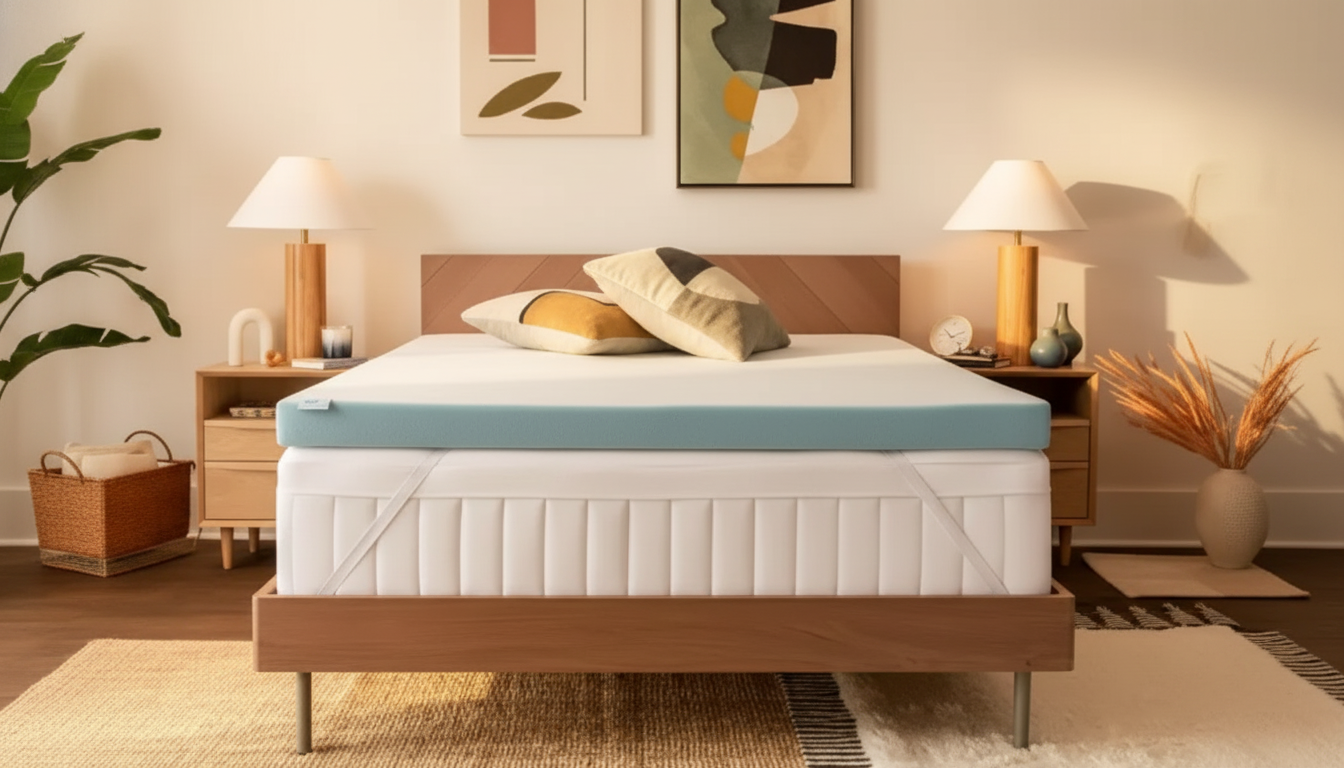
Luxury Cooling Memory Foam Queen Mattress Topper: Cooler Comfort, Better Pressure Relief
A cooling memory foam topper can reshape the feel of a mattress—adding contouring, reducing pressure on hips and shoulders, and helping hot sleepers stay more comfortable. Whether you’re trying to soften a too-firm bed, calm motion transfer, or refresh a sleep surface without replacing the entire mattress, a queen-size cooling topper can be a practical, comfort-forward upgrade. Below is what changes when you add one, how “cooling” really works, and how to choose, set up, and care for a topper so it performs night after night.
What a Cooling Memory Foam Topper Changes
- Adds cushioning to a mattress that feels too firm—without the cost or hassle of replacing the whole bed.
- Improves pressure distribution for side sleepers and anyone who notices tenderness at the shoulders, hips, or knees.
- Smooths minor surface unevenness and can reduce the sensation of a partner’s movement by adding a motion-dampening layer.
- Refreshes an older mattress that still has solid support but needs a comfort boost on top.
- Adds temperature-management features designed to reduce the heat buildup often associated with classic memory foam.
How Cooling Memory Foam Works
- Airflow-friendly foam design: Ventilated patterns or open-cell structures can help heat move away from the body instead of getting trapped at the surface.
- Cooling cover fabrics: Some covers feel cool-to-the-touch and can wick moisture, helping reduce that sticky, “clammy” feeling.
- Gel or phase-change components: These materials can help moderate temperature swings by absorbing and releasing heat as conditions change.
- Realistic expectations matter: A topper can feel cooler than standard foam, but body heat, room temperature, and humidity still play a major role.
- Pairing tip: Breathable sheets and a lighter comforter often amplify whatever cooling features the topper has.
For a deeper overview of temperature regulation in toppers, see the guidance from Sleep Foundation. For sleep-environment basics (like room temp and routines), references from the NIH and Mayo Clinic are also helpful.
Choosing the Right Feel: Thickness, Firmness, and Support
- Thickness basics: A thinner topper subtly softens; a thicker topper can noticeably change the feel and contouring of your mattress.
- Side sleepers: Often benefit from deeper pressure relief at shoulders and hips, especially on firm mattresses.
- Back sleepers: Usually do best with balanced contouring that supports the midsection without letting the hips sink too far.
- Stomach sleepers: Typically prefer thinner or firmer options to help keep the spine aligned and prevent low-back strain.
- Know when a topper won’t fix it: If your mattress is sagging deeply or has broken support, a topper may add softness but won’t restore proper alignment.
- Stay-put features: On a queen bed, look for designs that resist shifting (snug cover, corner straps, or a grippy base) to prevent bunching.
Quick Fit Guide for a Queen Topper
| Sleeper type / need | What to prioritize | Common setup tip |
|---|---|---|
| Hot sleeper | Breathable cover and airflow-oriented foam design | Use percale or linen sheets and avoid overly thick mattress protectors |
| Side sleeper with pressure points | Deeper contouring and pressure relief | Add a supportive pillow to keep neck alignment consistent |
| Back sleeper | Balanced contour + stable midsection support | Check that hips don’t sink lower than ribcage |
| Guest room upgrade | Medium feel and easy-to-secure fit on the mattress | Store flat when not in use to preserve shape |
Who Benefits Most (and Who Should Skip It)
- Great match: Anyone who wants a plush, contouring surface without buying a new mattress.
- Helpful for couples: Memory foam can reduce motion feel, which may make shared sleep more settled.
- Good for flexible living: Dorms, apartments, and temporary setups where a full mattress replacement isn’t practical.
- Consider alternatives if: Your mattress has deep sagging, broken support, or you’re experiencing persistent back pain tied to poor alignment.
- Sensitivity note: If you’re odor-sensitive or dislike the “hug” of foam, pay attention to materials details and return policies.
Setup Tips for the Best Cooling and Comfort
- Let it expand fully: After unboxing, place the topper on a clean, flat surface and allow it to reach its full shape before making the bed.
- Air it out: Give it time in a well-ventilated room. Avoid trapping it under heavy bedding immediately if you’re trying to maximize cooling.
- Choose protectors carefully: A breathable protector can help with hygiene, but thick waterproof layers may reduce airflow.
- Align for a true queen fit: Line up edges, then secure with straps or a fitted topper cover to reduce sliding and bunching.
- Fine-tune with bedding: Lightweight comforters and moisture-wicking sheets often feel cooler than heavy quilts or dense blankets.
Care, Cleaning, and Longevity
Luxury Cooling Memory Foam Queen Mattress Topper at a Glance
Shop In-Stock Picks
FAQ
Will a cooling memory foam topper make a firm mattress feel softer?
Yes—adding foam depth changes how your body weight spreads across the surface, which typically makes a firm mattress feel more forgiving. How much softer it feels depends on the topper’s thickness and firmness, but it won’t fix a mattress that’s already sagging or lacking support.
Do cooling toppers actually stay cool all night?
They can reduce heat buildup and feel cooler than traditional memory foam, but they don’t override room temperature, bedding warmth, or personal heat output. Breathable sheets and lighter blankets often help the topper’s cooling features work better.
How long should a memory foam topper air out after unboxing?
Many toppers do best with about 24–72 hours to fully expand and off-gas, depending on the foam and ventilation. Let it rest in a well-ventilated room and confirm it has reached its full shape before dressing the bed.














Leave a comment