Cordless Robotic Pool Cleaners: Inground Setup & Tips
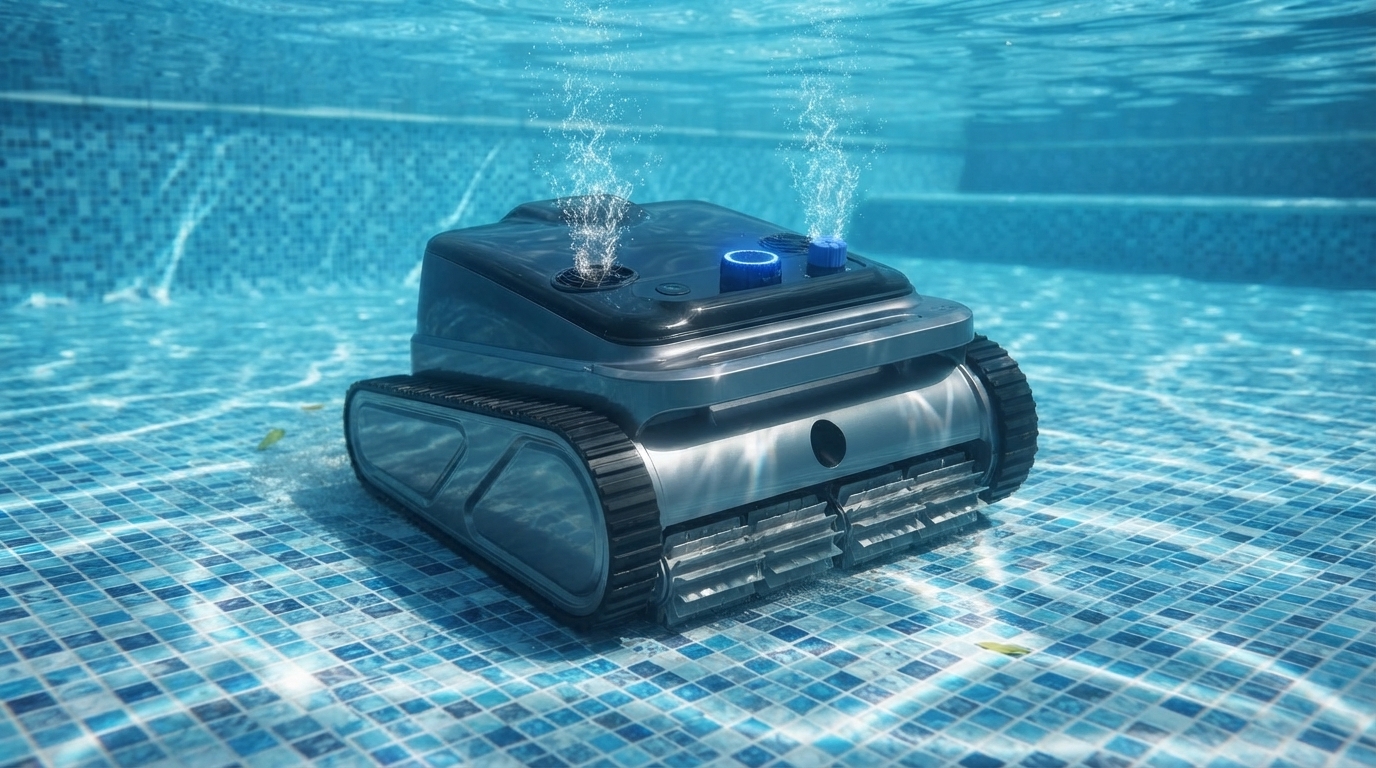
Cordless Robotic Pool Cleaner for Inground Pools: What to Expect and How to Use It Well
A cordless robotic cleaner can take over day-to-day debris pickup in an inground pool without hoses, booster pumps, or tangles. Instead of dragging equipment around the deck, you drop the robot in, let it run a cycle, then empty and rinse its filter. Below is a practical breakdown of how these cleaners work, what they handle best, what to check before buying, and simple habits that keep performance consistent through the season.
Why cordless robotic cleaning changes pool maintenance
Traditional suction and pressure cleaners can do solid work, but they come with setup time and extra gear. A cordless robot simplifies the routine in a few noticeable ways:
- No floating cable across the water, reducing tangles and trip hazards around the deck.
- Independent operation: the robot circulates and filters internally instead of relying on the pool pump.
- Faster “drop in and go” sessions for routine debris, especially after storms or heavy swim days.
- Often quieter and easier to store than hose-based suction cleaners.
- Best fit for owners who want predictable cleaning cycles with minimal setup.
How a cordless robotic pool cleaner works (and what it doesn’t do)
Most cordless robotic pool cleaners share the same core design: a sealed motor drives wheels or tracks while an internal pump pulls water through a filter basket or cartridge. As the robot moves, it creates its own suction to lift debris off the pool surface and trap it in the onboard filter.
- A sealed motor drives wheels or tracks while an internal pump pulls water through a filter basket or cartridge.
- Most units focus on floor pickup; some also climb walls and reach the waterline depending on traction and programming.
- Sensors and internal logic help navigate turns, avoid getting stuck, and cover the pool in patterns.
- It removes physical debris (leaves, sand, silt) but does not replace water chemistry balancing.
- Very fine dust may require a finer filter insert or more frequent filter rinsing.
For water safety and chemical handling, follow best practices such as those outlined by the CDC’s pool chemical safety guidance. A robot helps with visible debris; sanitation still depends on proper circulation, filtration, and chemistry.
Pool fit checklist for inground pools
Cordless robots are not one-size-fits-all. Before choosing one, it helps to think through your pool’s finish, layout, and the type of mess you fight most often.
- Surface type: plaster, vinyl, fiberglass, and pebble finishes can differ in traction needs.
- Pool shape and features: tanning ledges, drains, steps, and deep-end transitions can affect coverage.
- Typical debris load: heavy leaves call for a larger, easy-empty basket; fine dust calls for finer filtration.
- Slope and depth: steeper transitions benefit from stronger drive and better grip.
- Access for retrieval: consider whether the robot has an easy grab point or auto-parking behavior.
Quick compatibility checks before buying
| Check | Why it matters | What to look for |
|---|---|---|
| Pool surface | Traction and climbing ability vary by finish | Stable grip on smooth vinyl and textured plaster |
| Debris type | Filter size and mesh affect emptying and clarity | Large basket for leaves; fine filter for dust/silt |
| Pool layout | Steps/ledges can be common snag points | Programs/sensors that recover from obstacles |
| Runtime needs | Battery limits session length | Runtime that matches pool size and debris load |
| Storage/charging | Better habits extend lifespan | Dry storage area and simple charging routine |
Cordless runtime, charging, and battery care
The biggest behavioral shift with cordless cleaning is planning around battery runtime instead of leaving a cleaner connected indefinitely. A few simple habits prevent mid-cycle drop-offs and help the battery age gracefully:
- Match runtime to the pool’s square footage and how dirty it gets between cleanings.
- Expect shorter effective runtime when tackling heavy leaves, algae debris, or fine silt due to higher flow resistance.
- Let the unit cool and dry before charging if the manual recommends it.
- Avoid storing the robot for long periods with a fully depleted battery; periodic top-offs can help.
- Rinse and fully dry the filter area to prevent odors and premature wear.
Cleaning performance: floor, walls, and corners
Simple routine for better results (5–10 minutes of effort per week)
Also keep pool safety in mind around drains and entrapment risks; the U.S. EPA’s drain safety overview is a helpful refresher when reviewing pool hardware and best practices.
Common issues and quick fixes
Product spotlight: Cordless Robotic Pool Cleaner for Inground Pools
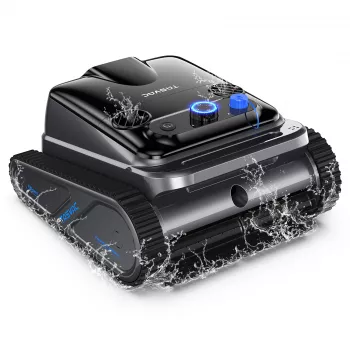
If the goal is straightforward, routine debris pickup without hoses or a separate booster pump, a dedicated cordless robot can keep the pool “company ready” with less day-to-day effort. The Cordless Robotic Pool Cleaner for Inground Pools is designed for drop-in operation and regular cleanup sessions.
More in-stock picks for backyard comfort
- 7-Piece All-Weather Wicker Patio Furniture Set with Cushions & Pillows
- Floating TV Stand with 36″ Electric Fireplace and High Gloss Finish
FAQ
How often should a cordless robotic pool cleaner run in an inground pool?
Most pools do well with 2–4 cleaning cycles per week, then add an extra run after storms, heavy swim days, or during peak leaf drop. For fine dust or silt, shorter and more frequent cycles often outperform one long cycle because the filter stays freer-flowing.
Can a cordless robotic cleaner replace the pool pump and filter?
No—it’s a complement, not a replacement. A robot captures debris it can physically filter, while the pool pump and main filter handle circulation, chemical distribution, and overall water turnover.
What should be cleaned after each robotic cleaning cycle?
Empty and rinse the filter basket or cartridge, check the intake/impeller area for hair or small debris, and wipe tracks or wheels if they’re gritty. Let the cleaner dry in a shaded spot before storage to reduce odors and help components last longer.













Leave a comment