Dry, Cracked Lips? 10-Min Natural Rescue Routine

Dry, Cracked Lips: A Natural Rescue Guide That Actually Feels Good
Dry, cracked lips can flare up fast—especially with wind, cold air, indoor heat, or habits like lip licking. A gentle, natural routine can calm irritation, restore the skin barrier, and help prevent repeat flare-ups. This guide breaks down common triggers, a simple rescue plan, and practical ingredient choices for smoother, more comfortable lips.
Why Lips Get Dry So Easily
Lips are built differently than the rest of your skin, which is why they can go from “fine” to painfully chapped in a day. The outer layer is thinner and there are fewer oil glands, so moisture escapes quickly and the surface can’t “self-lubricate” as well.
- Lips have a thinner outer layer and fewer oil glands, so moisture escapes quickly.
- Cold weather, wind, and indoor heating increase water loss from the skin surface.
- Saliva from lip licking evaporates and can worsen dryness and irritation over time.
- Irritants in products (fragrance, flavoring, menthol/camphor) may trigger chapping for sensitive skin.
- Dehydration, mouth breathing, and certain medications can contribute to persistent dryness.
For prevention and treatment basics, the American Academy of Dermatology offers a helpful overview: Dry, chapped lips: How to prevent and treat.
A 10-Minute Natural Lip Rescue Routine (Fast Comfort + Barrier Repair)
This routine is designed for irritated lips—so it focuses on comfort and barrier repair, not aggressive exfoliation.
Step 1: Gently cleanse
Use lukewarm water and a soft cloth to remove residue from toothpaste, food, or old balm. If lips are cracked or stinging, skip scrubs (including sugar and salt), which can create micro-tears and prolong irritation.
Step 2: Use the damp-skin method
Pat until lips are slightly damp—not dripping—then apply your balm. Trapping a little water against the skin can make a noticeable difference in tightness and flaking.
Step 3: Seal and protect before exposure
Top with a protective occlusive layer (like petrolatum or a beeswax-based balm) before stepping into wind or cold. This “topcoat” reduces moisture loss and helps shield from friction.
Step 4: Night repair
Apply a thicker layer before bed so the barrier can rebuild uninterrupted. In dry seasons, a humidifier can also reduce overnight dryness from indoor heat.
Step 5: Pause irritants until healed
Temporarily avoid strong flavors, fragrance, and “tingly” lip products. If your lips calm down quickly after removing these, sensitivity may be part of the pattern.
Natural Ingredients That Help (And What They Actually Do)
Ingredient labels can be confusing, so it helps to think in categories. Many of the best lip products combine more than one category for both comfort and staying power.
- Occlusives (beeswax, shea butter, cocoa butter, petrolatum): reduce moisture loss by forming a protective seal.
- Emollients (jojoba oil, squalane, avocado oil): soften rough texture and improve comfort.
- Humectants (honey, glycerin, aloe): draw water to the surface—best when paired with an occlusive on top.
- Soothers (calendula, colloidal oatmeal): may calm irritation for sensitive, reactive lips.
- What to be cautious with: essential oils, peppermint/menthol, camphor, cinnamon, and strong fragrance—common irritants for chapped lips.
Quick Guide to Natural Lip Helpers
| Ingredient type | Examples | Best for | Notes |
|---|---|---|---|
| Occlusive | Beeswax, shea butter, cocoa butter, petrolatum | Sealing in moisture, protecting from wind/cold | Apply last; especially useful outdoors and overnight |
| Emollient | Jojoba oil, squalane, avocado oil | Softening flakes, improving smoothness | Layer under an occlusive for longer wear |
| Humectant | Honey, glycerin, aloe | Boosting hydration when lips feel tight | Seal with an occlusive to prevent evaporation |
| Soothing agent | Calendula, colloidal oatmeal | Calming irritation and sensitivity | Patch test if prone to reactions |
Simple DIY Options (Low-Fuss, Lip-Safe)
If you prefer a minimal approach, these options are gentle and quick. Keep it simple—irritated lips tend to do better with fewer variables.
Prevent Dry Lips from Coming Back
When Dry Lips May Need Medical Attention
Most chapping improves with gentle care, but certain signs suggest something else may be going on. For a general reference on self-care and when to seek help, Mayo Clinic’s guidance can be a useful starting point: Mayo Clinic. For reactions related to irritants or allergies, MedlinePlus also provides an overview: Contact dermatitis.
A Ready-to-Follow Plan for Everyday Use
- Keep a simple kit: gentle cleanser, a basic balm (minimal ingredients), and a thicker overnight option.
- Use a “2-layer” approach during flare-ups: light hydration (humectant or damp-skin application) + seal (occlusive).
- Track triggers for a week: weather exposure, new lip products, toothpaste changes, and habitual lip licking.
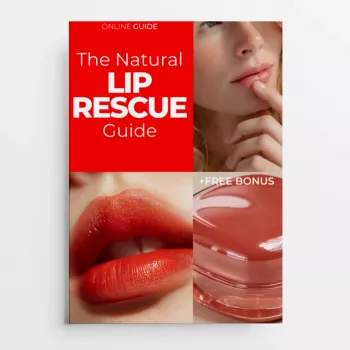
- For a structured routine and ingredient guidance, use The Natural Lip Rescue Guide: Your Ultimate Natural Remedy for Dry Lips as a step-by-step reference for building a natural, repeatable plan.
If you like tools that keep routines simple and consistent, you may also find value in a checklist-style approach for other areas of life, such as Rate Right | Freelance Pricing Checklist with ai for setting freelance rates, Confident Rates, Smart Pricing Strategy.
FAQ
Is lip licking ever helpful for dry lips?
No—saliva evaporates quickly, which can leave lips drier than before, and enzymes in saliva can increase irritation with repeated exposure. When the urge hits, apply balm instead and sip water to relieve the “tight” feeling.
What natural ingredient works fastest for very dry lips?
Fast comfort usually comes from a barrier-first approach: apply balm on slightly damp lips, then seal with an occlusive like beeswax, shea butter, or petrolatum. A short honey mask can help, but avoiding fragrance and “tingly” ingredients often matters just as much.
How long should it take for chapped lips to heal with gentle care?
Mild chapping often improves in a few days, while deeper cracking can take up to 1–2 weeks with consistent moisture and protection. If it keeps worsening, looks infected, or doesn’t improve after about two weeks, it’s worth getting medical advice.














Leave a comment