Dust-Proof Storage Bag: Large Capacity for Blankets
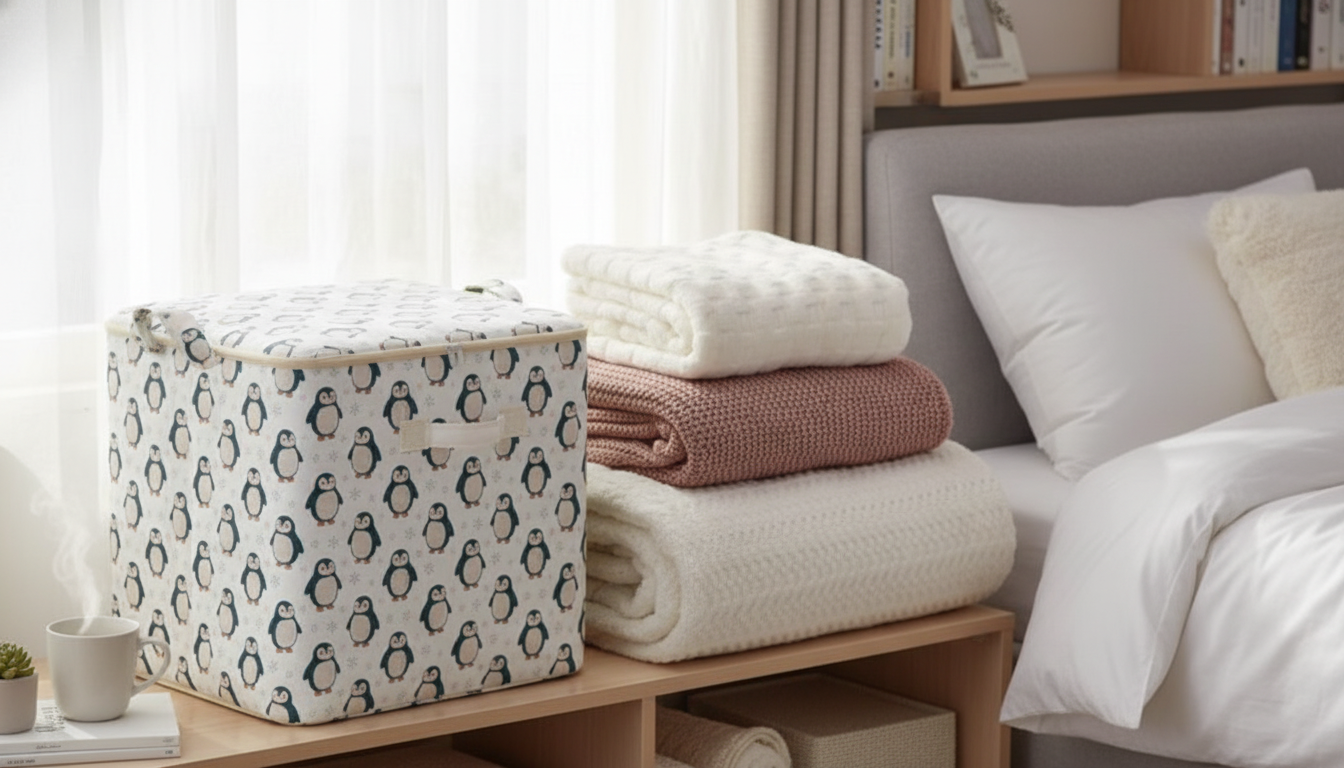
Large Capacity Dust‑Proof Storage Bag for Blankets and Clothing
A large-capacity dust-proof storage bag turns bulky piles into clean, protected storage—especially for seasonal bedding, thick sweaters, spare linens, and guest-room textiles. When the size, closure, and material are right, fabrics stay noticeably fresher between uses, stacks look more uniform on shelves, and it’s easier to label what’s inside for quick grab-and-go swaps.
What This Storage Bag Is Best For
Soft goods can be tricky to store because they trap air, collect dust, and become a “mystery pile” the minute they’re out of sight. A dust-proof storage bag keeps items grouped, compressed, and easy to relocate, whether you’re organizing a closet or staging a guest room.
- Seasonal rotation: pack away winter duvets, fleece throws, and heavy coats during warmer months
- Closet reset: consolidate rarely used clothing (formalwear, maternity, baby keepsakes) without exposing fabrics to dust
- Linen organization: store spare sheets, towels, pillow inserts, and comforters by room or bed size
- Small-space living: create “soft bins” that slide into under-bed gaps, on wardrobe tops, or inside storage benches
- Moving and short-term storage: keep fabrics grouped and protected while labeling by room or category
Common Use Cases and Packing Tips
| Item Type | How to Pack | Extra Tip |
|---|---|---|
| Comforters & duvets | Fold into thirds, then roll or stack to reduce trapped air | Add a cedar sachet or lavender pouch away from direct fabric contact |
| Sweaters & knits | Fold flat; avoid overstuffing to prevent stretching | Place heavier knits at the bottom |
| Bed sheets | Stack by set (fitted + flat + pillowcases together) | Store each set inside one pillowcase for quick sorting |
| Pillows & inserts | Compress gently by pressing; avoid sharp creases | Keep away from damp basements to prevent odor buildup |
| Kids’ outgrown clothes | Bundle by size range and season | Label by size and month for easy hand-me-down planning |
Key Features That Matter in Daily Use
Storage bags can look similar at a glance, but small design details decide whether they’re pleasant to use for years—or frustrating after one season. Focus on features that protect fabrics, carry weight safely, and make retrieval simple.
- Dust-proof closure: reduces dust settling on fabrics between seasons and cuts down on re-washing
- Large capacity: handles bulky textiles (blankets, comforters) without forcing tight folds
- Durable fabric: resists snags, shelf friction, and dragging across closet floors
- Strong seams and handles: supports heavier loads when lifting to high shelves or carrying between rooms
- Easy access: a wide opening makes it simpler to load, remove, and re-fold items neatly
- Label-friendly surface: works with tag ties, adhesive labels, or marker label cards for quick identification
For longer storage windows, moisture control matters as much as dust control. Mold and musty odors often start with trapped dampness, so keep textiles fully dry and store bags in a cool, low-humidity spot. Helpful references include the EPA’s guide to mold and moisture and the CDC’s mold overview.
How to Choose the Right Capacity and Shape
The “best” size is the one that fits your storage location and your habits—especially how often you’ll pull items out. A bag that’s slightly less packed is usually easier to zip, stack, and keep wrinkle-free.
- Match capacity to storage location: under-bed spaces favor flatter, wider bags; top-shelf storage can use taller profiles
- Plan by category: dedicate one bag to each category (e.g., “Winter bedding,” “Guest linens,” “Kids next size”) to avoid overpacking
- Avoid overstuffing: leaving a little room helps zippers glide smoothly and keeps fabrics from holding deep wrinkles
- Consider stacking: consistent bag shapes stack more securely and reduce toppling
- Think about retrieval: items used more often should be in bags that open easily from the front or top without unloading everything
Packing Steps for Cleaner, Fresher Storage
For extra fabric-friendly storage habits, museum-style textile care basics can be a useful reference point; see general preservation guidance from the Smithsonian.
Care, Cleaning, and Storage Safety
Product Snapshot: Large Capacity Dust‑Proof Blanket & Clothing Storage Bag
For a simple, budget-friendly way to standardize closet and linen storage, the Large Capacity Dust‑Proof Blanket & Clothing Storage Bag is designed to keep blankets and clothing protected from dust while saving space. It’s an easy fit for seasonal swaps, bedding organization, and decluttering projects—especially when paired with clear labels and category-based packing.
If you’re mapping out a bigger home reset (closets, guest room, and linen cabinet all at once), planning tools can make the process smoother; the Build a Smarter Content Calendar with AI | AI-Powered Content Planning Guide, Digital Download for Creators & Entrepreneurs, Content Strategy eBook can be repurposed as a simple timeline and checklist framework for multi-step organization projects.
At-a-Glance
| Detail | Value |
|---|---|
| Product | Large Capacity Dust-Proof Blanket & Clothing Storage Bag |
| Price | 6.51 USD |
| Availability | In stock |
| Best for | Blankets, comforters, seasonal clothing, spare linens |
FAQ
Can blankets and comforters be stored long-term in a dust-proof bag?
Yes, as long as the items are freshly cleaned and completely dry. Store the bag in a cool, dry place and keep it off damp floors to help prevent musty odors.
How full should a large-capacity storage bag be packed?
Fill it firmly, but not to the point of straining seams or forcing the zipper. Leaving a little space helps the closure glide smoothly and can reduce deep wrinkles.
What is the best way to stop stored clothes from smelling stale?
Store only clean, fully dry clothing, and consider adding a breathable odor absorber like cedar or activated charcoal. In humid climates, air out items periodically so lingering moisture doesn’t get trapped.















Leave a comment