Minimalist Color Pops for Neutral Wardrobes
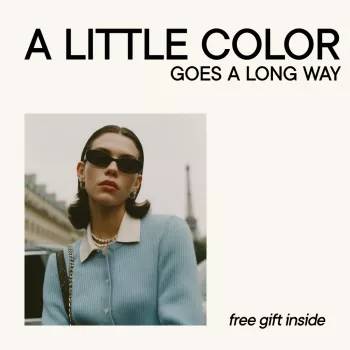
A Little Color Goes a Long Way: Minimalist Color for Neutral Wardrobes
Neutral wardrobes feel effortless—until outfits start to look the same. A minimalist approach to color adds interest without turning your closet into a rainbow: small, intentional accents that keep your look calm, cohesive, and easy to repeat. The focus is balance, proportion, and a few reliable color moves that work with beige, black, white, gray, navy, and denim. For more guidance, see [PDF] Showing Your Colors A Designers Guide To Coordinating Your ….
Why neutrals sometimes feel flat (and how color fixes it)
Neutrals do most of their work through texture, contrast, and silhouette. When those elements repeat—same knit, same straight-leg pant, same sneaker—your outfits can lose definition even if every piece “goes with everything.” For further reading, see [PDF] A Designer’s Guide to Coordinating Your Wardrobe.
A small hit of color creates a focal point. It gives the eye a place to land, so even a simple tee-and-trouser combo looks styled rather than accidental.
Color also doesn’t have to change the quiet mood of a neutral closet. Muted, earthy, or deep tones can feel just as grounded as black, cream, and denim, especially when used in small amounts. (For a deeper background on how color relationships work, see Encyclopedia Britannica’s overview of color theory.)
The goal is straightforward: add energy while keeping outfits interchangeable and easy to pack, plan, and repeat.
The minimalist color mindset: one accent, one story
Minimalist color is less about variety and more about clarity. One standout per outfit keeps the look clean, especially if the rest of your pieces are already strong basics.
Pick a “story” for the day—warm (rust, olive, camel) or cool (navy, forest, burgundy)—so everything harmonizes. You’re not trying to create a color wheel on your body; you’re creating one intentional point of emphasis.
If you want variety, change the accent from day to day, not within the same outfit. Think in percentages: when 80–90% of the outfit is neutral, color reads intentional, not loud.
Quick-start palette for neutral wardrobes
Begin with accent families that behave well with neutrals: olive/khaki green, rust/terracotta, burgundy/wine, deep teal, soft blush, and mustard. These shades are saturated enough to register, but grounded enough to feel calm.
- If most neutrals are warm (cream, camel, chocolate): start with rust, olive, mustard, or warm burgundy.
- If most neutrals are cool (black, gray, bright white, navy): start with deep teal, cool burgundy, cobalt, or icy pink.
- For ultra-minimal closets: choose one accent family and keep it consistent across accessories and one topper (cardigan, blazer, scarf).
Accent color ideas that stay minimalist
| Neutral base | Easy accent colors | Low-effort pieces to try | What it adds |
|---|---|---|---|
| Black + white | Burgundy, cobalt, emerald | Bag, loafers, knit beanie | Sharp contrast; polished edge |
| Beige + cream | Rust, olive, mustard | Scarf, belt, cardigan | Warmth; “intentional” softness |
| Gray | Deep teal, lavender, blush | Sneakers, crossbody, sweater | Modern calm; subtle lift |
| Navy + denim | Red-brown, forest green, saffron | Tee, tote, earrings | Depth; relaxed sophistication |
Five easy ways to add color without buying a new wardrobe
Color is easiest to keep minimalist when it lives in items you naturally repeat. These options work even if your closet is small.
- Shoes as the accent: One colored sneaker, flat, or boot changes a neutral outfit instantly while staying practical.
- Bag as the focal point: A crossbody or tote in a single accent shade gives structure to simple layers.
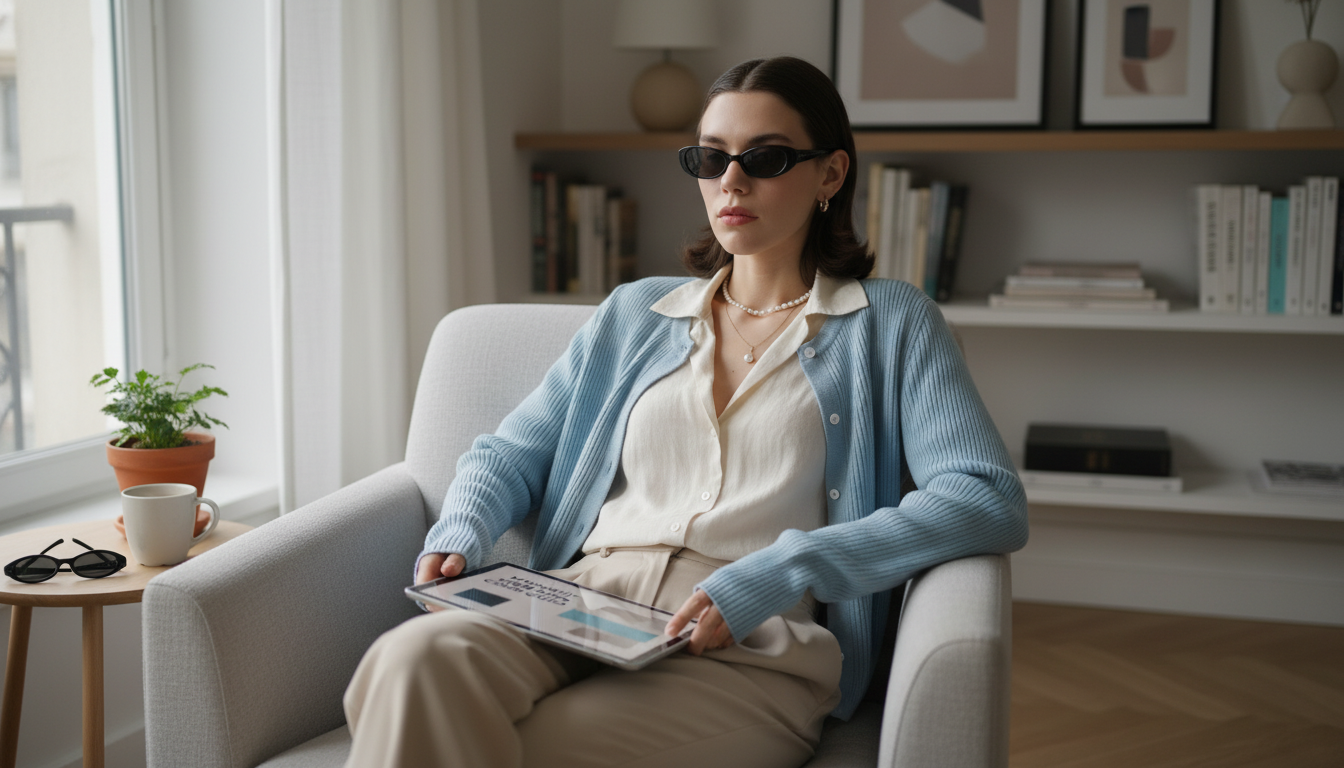
- Top layer color: A cardigan, blazer, or lightweight jacket in a muted tone reads intentional and repeats well.
- Small accessories: Scarf, belt, socks, hat, or earrings place color near the face or at the edge of the outfit.
- One colored knit or tee: Keep the silhouette basic and let the shade do the work.
Balance rules that keep color looking clean
- Repeat once: If the bag is olive, echo it with a tiny detail (olive socks, a hair clip, or subtle jewelry) so it looks cohesive rather than random.
- Use a “bridge neutral”: Beige + rust looks smoother with brown leather or gold jewelry between them.
- Choose one dominant texture: When adding color, keep fabrics simple—one chunky knit, or one glossy accessory—so the outfit doesn’t feel busy.
- Watch contrast near the face: If a color feels too bright, move it away from the face (shoes/bag) or choose a softer version of the shade.
Outfit formulas for the week (minimal effort, maximum variety)
What’s inside “A Little Color Goes a Long Way”
If you want a simple, repeatable system to keep color minimal (and shopping restrained), A Little Color Goes a Long Way – Minimalist Color Guide Digital Download is designed as a quick-reference download.
Digital download details and who it’s best for
If planning is part of what makes consistency easier—whether you’re organizing outfits, content, or weekly priorities—Build a Smarter Content Calendar with AI is another digital download option for structured, low-friction planning.
FAQ
How many accent colors should a minimalist wardrobe have?
Start with one accent family (one to two related shades), and only expand if you can repeat that accent across multiple outfits. Consistency matters more than quantity, especially in a neutral capsule.
What if color feels too loud on skin tone or near the face?
Move the color to shoes or a bag, choose a muted or deeper version of the shade, or add a bridge neutral (like brown leather or soft gold) to soften contrast. Small doses—earrings, a belt, or socks—also keep it comfortable.
How can one accent piece create multiple outfits?
Use outfit formulas: pair the same accent with different neutral bases (black, cream, denim, gray), and repeat it once in a smaller detail (bag + belt, or shoes + hair accessory). Keep silhouettes consistent so the accent is what changes the look.









Leave a comment