Portable Camping Folding Chair: Packable Comfort Anywhere
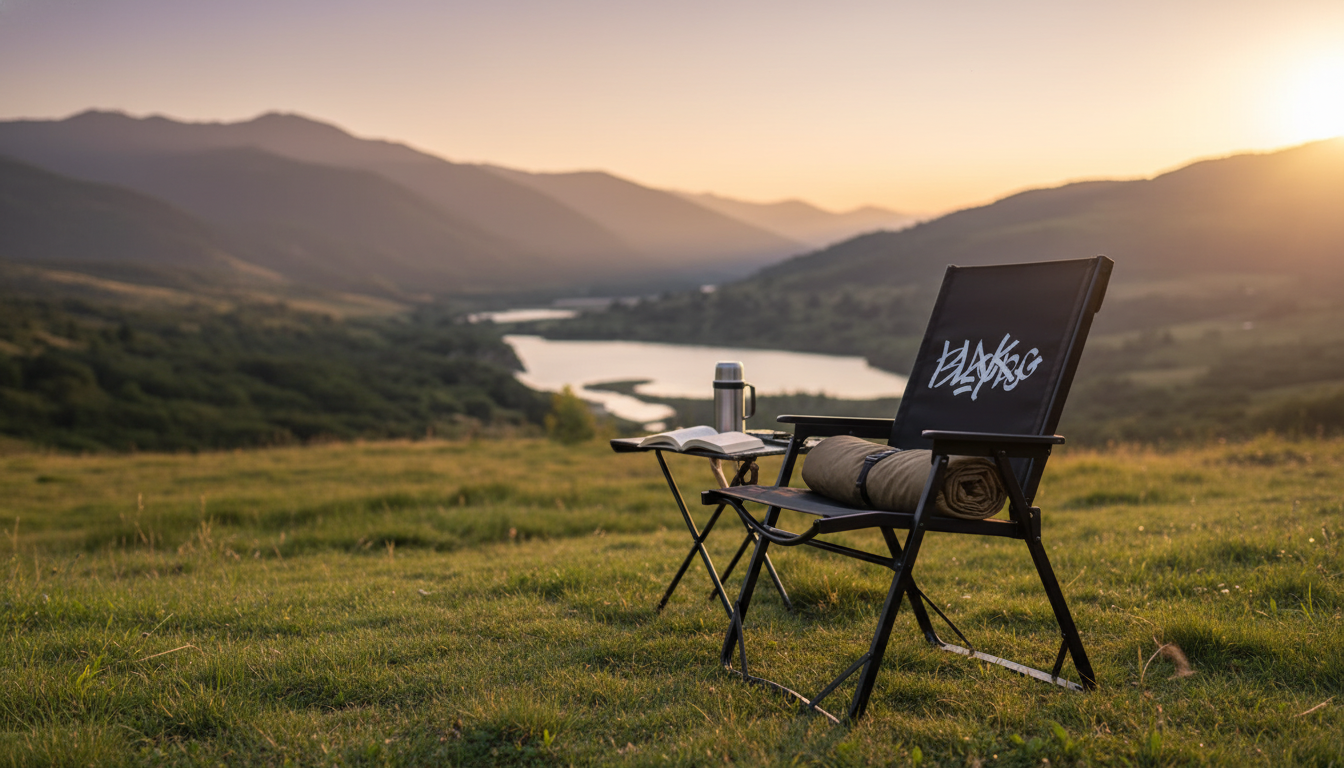
Portable Camping Folding Chair: Comfortable Seating That Packs Small
A portable camping folding chair makes it easier to stay comfortable at the campsite, on the sidelines, or during outdoor events—without hauling bulky furniture. The best choice balances packability, stability, and support, while fitting the way the chair will actually be used (campfire lounging, quick breaks on the trail, beach days, or tailgates). When the chair is easy to carry and pleasant to sit in, it’s more likely to come along—meaning more rest breaks, more relaxed meals, and fewer “guess I’ll sit on the cooler” moments. For more guidance, see Ultralight Camping Chair With Pillow – Compact Folding, Portable.
When a portable folding chair is most useful
A good folding chair earns its keep in all kinds of everyday outdoor situations. Think about where it will live (trunk, RV storage, garage shelf) and where it will open most often (dirt, sand, grass, pavement). For further reading, see Outdoor Double Portable Camping Folding Chair.
- Car camping and campfire time: A dedicated seat keeps meals and relaxing more comfortable than logs, coolers, or the ground.
- Tailgating and sporting events: Quick setup and a stable base matter on mixed surfaces like grass, gravel, or pavement edges.
- Beach and lakeside: Breathable materials dry faster; wider feet help avoid sinking in soft sand.
- Festivals and outdoor lines: Compact carry and fast folding reduce hassle when moving frequently.
- Backup seating at home or in the trunk: Useful for pop-up gatherings, picnics, or emergency seating.
What to look for before buying
| Feature | Why it matters | Practical tip |
|---|---|---|
| Packed size & carry method | Determines how easy it is to bring along and store | Look for a carry bag or built-in strap; measure trunk/closet space before ordering |
| Weight capacity | A key indicator of frame strength and overall stability | Choose a capacity that comfortably exceeds the heaviest expected user plus gear in pockets |
| Seat height | Affects how easy it is to get in/out and how close you sit to the ground | Lower chairs feel loungier; higher seats are better for knees and frequent standing |
| Frame material | Impacts durability, corrosion resistance, and weight | Powder-coated steel is sturdy; aluminum is lighter; check for reinforced joints |
| Fabric & breathability | Influences comfort, drying time, and heat buildup | Mesh panels help in hot climates; thicker fabric can feel more supportive in cooler weather |
| Foot design | Controls stability on sand, dirt, and uneven ground | Wider feet reduce sinking; check that the chair sits flat without rocking |
| Extras (cup holder, pocket, headrest) | Convenience features reduce clutter around the chair | Pick only the add-ons that match real use to keep bulk down |
Comfort and support factors that matter outdoors
Outdoor seating comfort isn’t just about “soft vs. firm.” It’s about how the chair supports your body after 30 minutes, how it feels when you’re wearing a jacket, and whether it stays comfortable when the temperature drops after sunset.
- Back support: A higher back can feel more relaxing for long sits; a firmer back panel helps posture during meals.
- Seat tension: Fabric that is too tight can feel restrictive; too loose can sag and reduce support over time.
- Armrests: Helpful for pushing up to stand; padded or wider armrests are more comfortable during long use.
- Temperature management: Breathable fabric reduces sweat on warm evenings; quick-dry material is useful near water.
- Body fit: Wider seats improve comfort for broader builds and for sitting cross-legged; verify dimensions when available.
If the chair will be used for meals, consider a seat height that works with standard camp tables. If it’s mostly for lounging by the fire, a slightly lower, more reclined feel can be the difference between “fine” and “don’t make me get up yet.” For additional guidance on chair styles and features, REI’s overview is a helpful reference: REI Co-op Expert Advice: Camping Chairs.
Stability, durability, and safety checks
A chair that feels great for one weekend but loosens up or wobbles over time isn’t a bargain. A few quick checks—before and during use—can prevent the most common outdoor chair frustrations.
Care and storage to extend chair life
A ready-to-go option
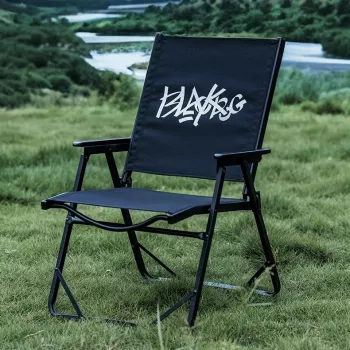
If compact storage and quick setup are priorities, the Portable Camping Folding Chair is a convenient choice for campgrounds, tailgates, and outdoor events. It’s the kind of item that’s easy to keep staged—by the door, in the RV bin, or in the trunk—so it’s ready when plans pop up.
More in-stock picks
- Portable Camping Folding Chair
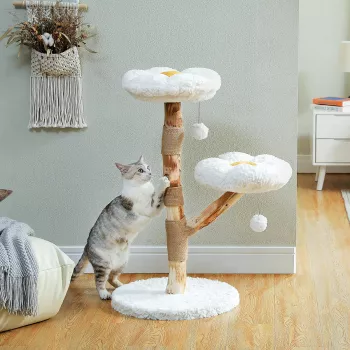
- Flower Cat Tree
- Build a Smarter Content Calendar with AI | AI-Powered Content Planning Guide, Digital Download for Creators & Entrepreneurs, Content Strategy eBook
FAQ
How much weight should a portable camping folding chair support?
Pick a weight capacity that exceeds the heaviest expected user by a comfortable margin to improve stability and reduce long-term strain on the frame and fabric. Also factor in items in pockets and any tendency to shift or lean while seated, since that can increase stress on joints over time.
Can a folding camping chair be used on sand?
Yes, but performance depends on how soft the sand is and how wide the chair’s feet are. Wider feet sink less; if the chair still settles, placing small flat pads under each leg and choosing a flatter, firmer spot can help.
How do you clean and store a camping folding chair?
Shake out debris, spot-clean with mild soap and water, and let the chair dry completely before packing it away. Store it where it won’t sit in damp conditions, and limit prolonged sun exposure to help prevent mildew, odors, and corrosion.












Leave a comment