Recovering From Financial Trauma: Rebuild Money Safety

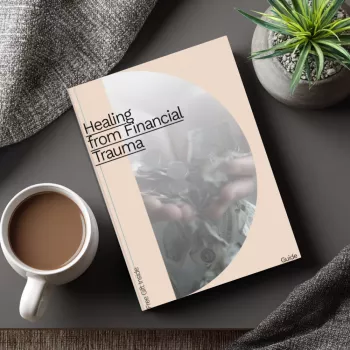
Healing from Financial Trauma: A Comprehensive Guide to Rebuilding Your Financial Wellness
Financial trauma can shape day-to-day decisions, relationships, and self-worth long after the original events. Recovery is possible with a compassionate, structured approach that addresses both the emotional impact and the practical steps needed to regain stability. This guide offers a steady path—from recognizing patterns to rebuilding safety, confidence, and long-term financial habits without shame.
What Financial Trauma Can Look Like
Financial trauma isn’t just “stress about money.” It can be the lingering nervous-system response to experiences like job loss, bankruptcy, aggressive debt collection, sudden medical bills, financial abuse, housing insecurity, or growing up with chronic scarcity.
Common signs
- Emotional: panic around bills, irritability during money discussions, persistent guilt or shame, fear of checking accounts.
- Behavioral: avoidance, compulsive spending, extreme frugality, secrecy, overworking, or risk-taking to “catch up.”
- Cognitive patterns: catastrophizing, “money equals safety,” “I’m bad with money,” and all-or-nothing budgeting.
These responses often began as protection. The goal isn’t to judge them—it’s to replace them with tools that create steadier outcomes.
A Simple Self-Assessment: Triggers, Beliefs, and Coping Loops
When money feels threatening, the brain tries to reduce discomfort fast—sometimes by avoiding, sometimes by controlling, sometimes by numbing. A quick self-assessment can reveal the loop.
- Identify triggers: late fees, account notifications, salary conversations, holidays, or family requests for help.
- Name the story: what the mind predicts will happen, and what it says about your worth or safety.
- Track coping behaviors: avoidance, numb spending, control spending, borrowing, over-saving, or repeated balance checking.
- Choose one interruption: pause, breathe, check facts, write the next best action.
| Trigger | Automatic Thought | Body Signal | Old Coping Move | New Micro-Step |
|---|---|---|---|---|
| Bill reminder | I’m about to fall behind | Tight chest | Ignore it | Open it and schedule payment date |
| Account balance dips | I’ll never be secure | Racing thoughts | Impulse purchase | Wait 24 hours; move $5 to buffer |
| Money talk with partner | I’ll be judged | Heat in face | Shut down | Use a 10-minute agenda and one number to review |
| Unexpected expense | Everything is ruined | Nausea | Borrow quickly | List options: delay, negotiate, payment plan, small buffer transfer |
Rebuilding Safety First: Stabilize the Basics
Trauma recovery goes faster when the present feels more predictable. Start with a “minimum-viable” plan—small enough to maintain even during a rough week.
- Create a minimum-viable budget: housing, food, utilities, transportation, medications, minimum debt payments.
- Start a buffer: a separate account or a “buffer” category; $50–$200 is a legitimate start, then grow toward one month of essentials.
- Automate what reduces stress: minimum payments, bill reminders, paycheck split to essentials and buffer.
- Reduce exposure to stressors: unsubscribe from sales emails, remove stored card details, lower app notifications.
- Use “next right step” rules: plan the next 7 days, then the next 30—without trying to solve your whole future at once.
If you want a guided structure with prompts and a steady sequence, Healing from Financial Trauma: A Comprehensive Guide to Rebuilding Your Financial Wellness is designed for gentle, repeatable progress.
Rebuilding Trust With Money: Gentle Habits That Compound
Trust builds when your actions match your needs, not when you achieve a “perfect budget.” Think consistency over intensity.
- Hold “money meetings” that feel safe: 10–15 minutes weekly, same day/time, with a short checklist (bills due, buffer, one decision).
- Allow a 60–70% win rate: a plan that’s “good enough” most weeks can still transform outcomes.
- Two-list method: a needs list (non-negotiables) and a relief list (small comforts that prevent burnout spending).
- Celebrate stability markers: paying on time, checking your balance calmly, negotiating a bill, choosing not to buy.
- Set boundaries: scripts for lending money, responding to pressure, and saying no without overexplaining.
Debt, Credit, and Repair Without Shame
Debt can carry heavy emotion, especially after a crisis. Start with clarity, then choose the simplest plan you can stick to.
For reliable consumer guidance, the Consumer Financial Protection Bureau (CFPB) and the Federal Trade Commission’s debt resources are strong starting points.
Healing in Relationships and Work
If you freelance or set your own prices, Rate Right | Freelance Pricing Checklist can help turn “What should I charge?” into a repeatable, calmer process.
A 30-Day Reset Plan (Flexible and Non-Punitive)
If you want professional debt support, the National Foundation for Credit Counseling (NFCC) can help you find a certified credit counselor.
A Guided Resource for Ongoing Support
For a clear, compassionate framework you can return to anytime, explore Healing from Financial Trauma: A Comprehensive Guide to Rebuilding Your Financial Wellness.
FAQ
How do financial trauma responses show up in daily life?
They often look like avoidance (not opening bills), panic checking, impulsive spending to numb stress, extreme control or over-saving, shame, and conflict in relationships. These reactions are protective patterns that can change with practice and support.
What is the first step to rebuilding financial wellness after a crisis?
Stabilize essentials with a minimum-viable budget, set reminders or automate minimum payments, and start a small buffer—even $50 can reduce panic. Choose one small, repeatable action you can do weekly.
When should professional help be considered?
Consider therapy when anxiety, avoidance, or trauma symptoms feel stuck; nonprofit credit counseling when you need a structured debt plan; and legal aid for harassment or collections disputes. If basic needs are at risk, local social services and medical financial assistance programs can provide immediate support.















Leave a comment