Farmers Market Shopping by Season: What to Buy & Cook
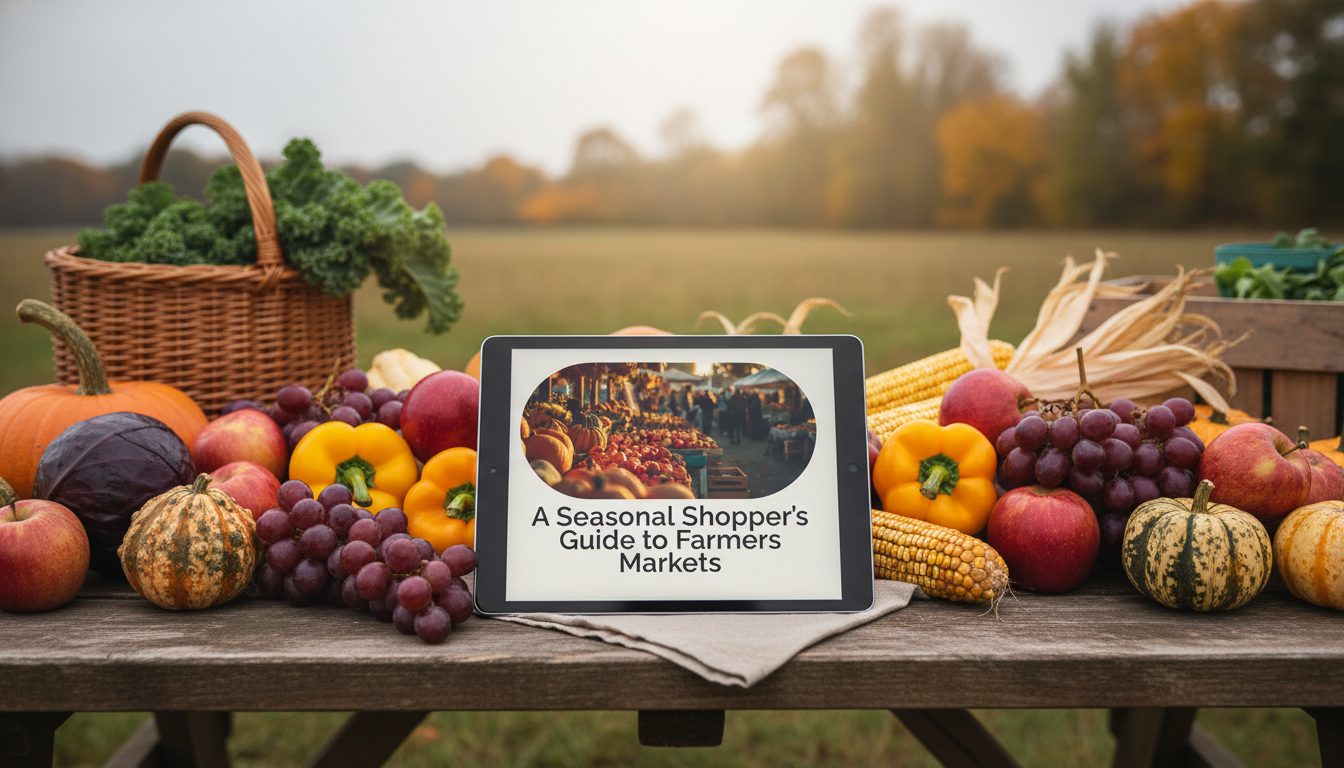
A Seasonal Shopper’s Guide to Farmers Markets: Seasonal Produce, Smart Shopping, and Fresh Meal Ideas
Farmers markets can feel effortless when shopping aligns with the seasons. Seasonal produce tends to be more abundant, often better tasting, and easier to plan around—once a simple routine is in place. Below is a practical way to shop efficiently, store what you bring home, and turn market finds into flexible meals with less waste.
How to Shop a Farmers Market Like a Regular (Even on the First Visit)
The easiest way to get confident fast is to shop with a repeatable pattern. A few small habits—like doing one quick lap and buying “foundation” items first—make even a busy Saturday market feel manageable.
- Do a quick loop first: scan what’s abundant, compare quality, and note prices before buying.
- Bring the right kit: reusable bags, a small cooler for eggs/dairy/meat, cash or a payment app, and a tote for fragile items.
- Start with foundation items: greens, onions, herbs, and a seasonal fruit that can flex across multiple meals.
- Ask vendors two questions: what’s best today, and what will be best next week; it helps plan repeat visits.
- Shop by condition, not size: look for firmness, vibrant color, and minimal bruising; smaller produce can be sweeter and more tender.
- Time the visit: early for best selection; later for potential discounts—especially on highly perishable items.
- Keep food safety in mind: separate raw meat/seafood, keep cold items cold, and wash produce at home (not at the stall). For additional guidance, see the FDA’s produce safety tips.
What’s Typically in Season: A Practical Year-Round Snapshot
Seasonal availability varies by region and weather, but many items follow broad patterns that help with planning. Use this as a starting point, then confirm with vendor signage and local harvest calendars (the USDA seasonal produce guide is a helpful reference).
A simple strategy is to mix peak items (best flavor) with shoulder-season items (still great, often less rushed at the market). That balance keeps meals interesting while spreading your budget across staples and splurges.
| Season | Look for | Easy ways to use it | Storage tip |
|---|---|---|---|
| Spring | Asparagus, peas, radishes, spinach, strawberries | Sheet-pan asparagus; pea salad; spinach omelets | Wrap greens in a towel and store in a container |
| Summer | Tomatoes, cucumbers, zucchini, berries, peaches, corn | No-cook salads; grilled veg; salsa; fruit + yogurt | Keep tomatoes at room temp; refrigerate berries dry |
| Fall | Apples, pears, winter squash, pumpkins, carrots, sweet potatoes | Roasted squash; apple slaw; soups and stews | Store squash cool and dry; keep roots in the crisper |
| Winter | Citrus (in many areas), kale, cabbage, beets, potatoes, stored apples | Braised greens; slaws; roasted beets; hearty bowls | Kale/cabbage keep well; store potatoes dark and cool |
Build a Seasonal Shopping Routine That Reduces Waste
Waste usually comes from good intentions plus unrealistic plans. A small rhythm—one primary trip, a short list, and two quick prep steps—keeps food moving from bag to plate.
- Choose a weekly rhythm: one market trip + one midweek pantry restock, instead of multiple scattered trips.
- Buy perishable-first produce in smaller quantities: berries and tender greens; buy sturdier items (squash, cabbage, carrots) in larger quantities.
- Plan 2–3 flexible meals rather than fixed recipes: grain bowls, big salads, stir-fries, tacos, soups, and pasta can absorb what looks best.
- Use a simple priority system at home: eat ripe items first, then medium-ripeness, then sturdy storage crops.
- Batch-prep just two items: washed greens + roasted vegetables unlock fast meals all week.
- Save scraps: herb stems for broth, citrus peels for infused vinegar, veggie odds for stock (freeze until you have enough).
- Preserve peak-season abundance: freeze berries on a tray, blanch and freeze greens, or make quick pickles from cucumbers/radishes.
Fresh-meal “templates” that work year-round
- Market bowl: grain + greens + roasted veg + something crunchy (nuts/seeds) + a bright dressing.
- Big salad dinner: two greens + one fruit + one savory add-in (beans/cheese/eggs) + a simple vinaigrette.
- Sheet-pan night: sturdy vegetables + sausage/tofu + onions; finish with herbs or a squeeze of citrus.
Choosing the Best Produce at the Stall (Quick Visual Cues)
Great farmers market shopping is mostly a fast “quality check.” A few visual cues help you choose produce that holds up well at home.
Farmers Market Etiquette and Smart Vendor Conversations
If you’re still looking for a nearby market, the LocalHarvest farmers market directory is a practical starting point for many U.S. locations.
A Handy Digital Companion for Seasonal Market Planning
For a ready-to-use guide built around seasonal produce and farmers market shopping, explore A Seasonal Shopper’s Guide to Farmers Markets: Your Ultimate Digital Resource for Seasonal Produce & Farmers Market Shopping (digital download).
If you enjoy planning systems and checklists, Build a Smarter Content Calendar with AI | AI-Powered Content Planning Guide can also be adapted for a simple “seasonal planning” routine—mapping weekly themes (salads, soups, sheet-pan dinners) around whatever’s peaking at the market.
FAQ
What’s the best time to go to a farmers market?
Early hours usually offer the best selection, especially for popular fruit, eggs, and specialty items. Later hours can bring discounts as vendors try to sell highly perishable produce, so choose based on whether you prioritize variety or value.
How can seasonal shopping save money at the market?
When a crop is abundant locally, prices often improve and quality is higher. Buying peak items, planning flexible meals, and preserving extras (freezing or quick pickling) also reduces waste, stretching your grocery budget further.
How should produce be washed and stored after the market?
Wash hands and kitchen surfaces first, keep raw meat separate, and rinse produce at home under running water. Store greens wrapped in a towel, keep berries dry until you’re ready to eat them, and store potatoes or squash in a cool, dark place.
















Leave a comment