Slow FIRE: Build Financial Independence Without Burnout
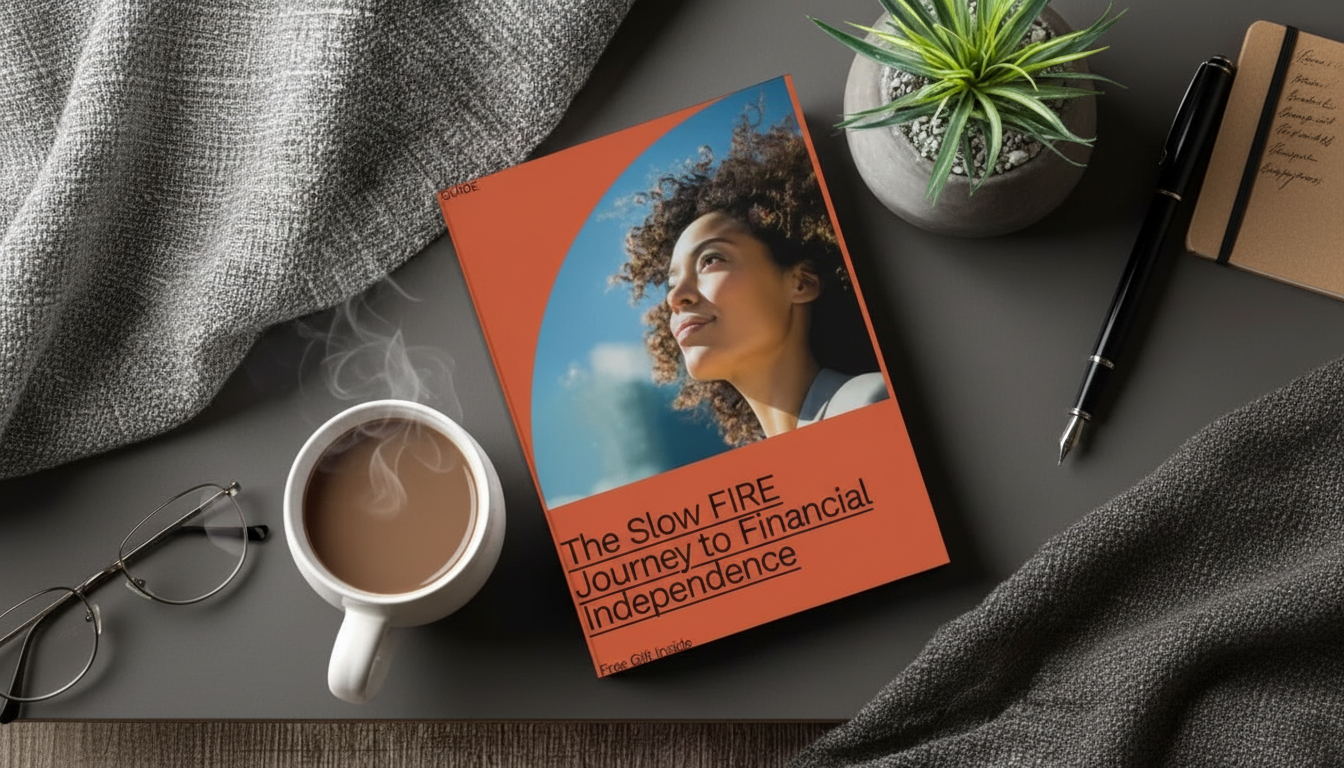
The Slow FIRE Journey: A Sustainable Path to Financial Independence
Slow FIRE is a steady, sustainable approach to financial independence that prioritizes consistency over extremes. Instead of sprinting through severe cutbacks, Slow FIRE focuses on manageable saving, sensible investing, and lifestyle design that you can keep doing for years. The result is a calmer wealth-building system that compounds over time—without burning out or putting life on hold.
What Slow FIRE Is (and Why It Works for Real Life)
Slow FIRE (Financial Independence, Retire Early) is the long-game version of FIRE: you build financial independence gradually through repeatable habits—saving a reasonable surplus, investing it consistently, and aligning spending with what you truly value.
Compared to traditional “fast FIRE,” Slow FIRE typically involves less deprivation and more flexibility. The timeline is often longer, but the plan is easier to live with—especially for families, career-builders, late starters, variable-income earners, or anyone who’s tired of all-or-nothing budgeting.
The core principle is sustainable margin: a small, repeatable surplus between what you earn and what you spend. That margin—kept steady through life changes—feeds investing, reduces financial stress, and lets compounding do the heavy lifting.
Set a Clear Target: Your Financial Independence Number
Slow FIRE gets much easier once you can name the target. Start with annual spending across the basics (housing, food, insurance, transportation, minimum debt payments) plus discretionary categories (travel, hobbies, gifts, dining out).
A common starting point is the 4% guideline: estimate the portfolio size that could support your spending by withdrawing about 4% per year. Many people adjust this for risk tolerance, retirement horizon, and comfort with market volatility. Also plan for taxes, healthcare, dependents, and “lumpy” one-time costs like a roof replacement, car purchase, or relocation.
To make the goal feel more real, create three FI targets: Lean (minimum), Base (comfortable), and Plus (more travel/experiences).
| Target level | Annual spending estimate | Example multiplier | Approximate FI target |
|---|---|---|---|
| Lean | $30,000 | 25× | $750,000 |
| Base | $45,000 | 25× | $1,125,000 |
| Plus | $60,000 | 25× | $1,500,000 |
If you want a guided, workbook-style approach to turn this into an action plan, The Slow FIRE Journey to Financial Independence: A Practical Guide to the Slow FIRE Financial Independence Path is designed to help translate goals into weekly, sustainable steps.
Build the Slow FIRE System: Budget, Automations, and a Calm Money Routine
Slow FIRE works best with low-friction systems. Start with a “pay-yourself-first” budget style: decide on a savings/investing amount, automate it, then spend what remains using flexible buckets (essentials, lifestyle, fun, giving). The goal isn’t perfection—it’s consistency.
Automate the basics
Use direct deposit splits, scheduled transfers to savings and investing, and autopay for recurring bills. Automations reduce decision fatigue and prevent “oops” months where nothing gets saved.
Emergency fund plan
Build a starter cushion first (enough to stop relying on credit cards), then aim for 3–6 months of expenses. If income is unstable or fixed costs are high, lean toward the higher end.
Monthly money routine (30–45 minutes)
Once a month: reconcile accounts, track net worth, review upcoming expenses, and set one priority for the next month (for example: lowering a bill, increasing a contribution, or planning a known annual expense). A simple rule like “rebalance once or twice a year” can keep investing tidy without constant tinkering.
Investing on a Slow FIRE Timeline: Simple, Diversified, and Consistent
Slow FIRE investing isn’t about constant optimization—it’s about durable fundamentals. A common order of operations is: capture any employer match, pay down high-interest debt, build an emergency fund, max tax-advantaged accounts as able, then invest in a taxable brokerage account.
Keep choices understandable and diversified. Broad index funds and ETFs can help reduce single-stock risk, and a straightforward asset allocation can match your timeline and comfort level. The SEC’s overview of asset allocation is a useful baseline reference: SEC Investor.gov — Asset Allocation.
For a simple framework, many investors explore the classic “three-fund portfolio” concept: Bogleheads — Three-fund portfolio. If you’re using a workplace plan, it also helps to stay current on rules and limits: IRS — Retirement Topics (401(k) Plans).
Increase Your Margin Without Making Life Miserable
Milestones to Track: From Day One to Financial Independence
Practical Tools and Helpful Reads
If you’re building a side project (like a blog or content-driven business) as part of your Slow FIRE plan, organization is a hidden superpower. Build a Smarter Content Calendar with AI helps streamline planning so you can publish consistently without constant scramble.
And if a long-term income stream is part of your strategy, How to Start a Money Blog – Ultimate Beginner’s eBook offers a step-by-step foundation for launching and monetizing a blog with realistic expectations and repeatable execution.
FAQ
How long does Slow FIRE usually take?
It depends on your savings rate, income growth, market returns, and spending level. Many people think in ranges like 10–25 years, but the defining feature of Slow FIRE is that the plan remains livable and adjustable as life changes.
What savings rate works best for a Slow FIRE approach?
A practical range is often 10%–30%+, starting at a level that feels sustainable and gradually increasing as income rises or expenses stabilize. The “best” rate is the one you can maintain through busy seasons and unexpected costs.
Should debt be paid off before investing for Slow FIRE?
High-interest debt is usually a priority, but it can still make sense to capture an employer retirement match if available. Many people balance the math with behavior—reducing debt for peace of mind while keeping a consistent investing habit.















Leave a comment