Timberland Women’s Black Ankle Boots: Fit, Grip & Care
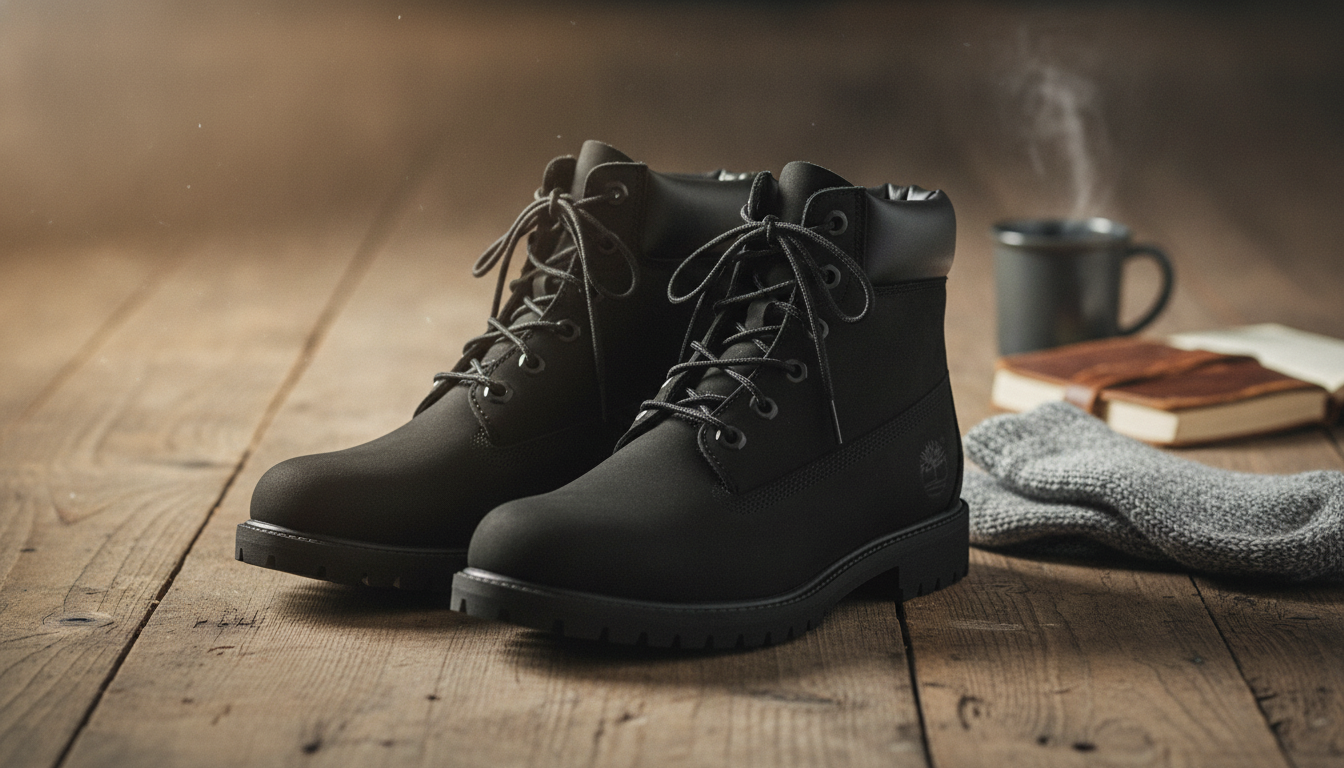
Timberland Women’s Black Ankle Lace-Up Boots: Everyday Comfort with Rugged Dependability
Black ankle lace-up boots are a rare wardrobe staple that can handle daily commutes, unpredictable weather, and long hours on foot while still looking pulled together. This guide breaks down what matters most—materials, traction, fit, comfort, and care—so it’s easier to decide if this Timberland ankle style matches the way it will actually be worn.
What Makes Ankle Lace-Up Boots So Practical
- Ankle height supports the foot and keeps weight lighter than taller boots, making them easier to wear all day.
- Laces allow micro-adjustments across the instep for a more secure feel than many slip-on styles.
- Black finishes transition cleanly from casual outfits to work-appropriate looks (depending on workplace dress code).
- A well-designed outsole and midsole can reduce fatigue on hard surfaces like concrete and tile.
Timberland Women’s Black Ankle Lace-Up Boots at a Glance
Timberland’s take on the black ankle lace-up category is built for repeat wear: enough structure to feel supportive, with the kind of flex that helps on walking-heavy days. The lace-up closure is a practical win if sock thickness changes with seasons or if one foot tends to swell slightly by the end of the day.
- Designed for repeat wear: a balance of structure (for support) and flexibility (for walking comfort).
- Lace-up closure helps dial in fit across different sock thicknesses and foot shapes.
- Ankle profile pairs well with straight-leg jeans, leggings, and midi skirts without overwhelming proportions.
- Shop the available listing and confirm size/returns before ordering.
Timberland Women’s Black Ankle Lace-Up Boots are currently listed at $167.51 (USD), with in-stock availability at the time of writing.
Quick Comparison: Fit, Use Cases, and Care Priorities
| Feature | Why It Matters | Best For | Care Tip |
|---|---|---|---|
| Lace-up ankle height | Adjustable hold and easier stride than tall boots | City walking, travel, everyday wear | Re-lace for even tension; avoid over-tightening at the top eyelets |
| Sturdy outsole | Helps stability and grip on wet or uneven ground | Rainy sidewalks, mixed terrain | Brush outsole grooves to remove packed dirt for better traction |
| Black upper | Hides scuffs better than lighter colors and dresses up easily | Work outfits, casual to smart-casual styling | Use color-safe conditioner/polish suited to the upper material |
| All-day comfort build | Reduces foot fatigue during long standing/walking days | Errands, commuting, events with lots of walking | Let boots dry fully between wears; use a shoe tree to hold shape |
Materials and Build Details to Look For
Even within the same silhouette, ankle lace-up boots can feel totally different depending on what’s underfoot and how the upper is constructed. If you’re comparing options, these details tend to predict comfort and longevity better than photos alone.
- Upper material: Leather or coated materials typically handle abrasion better; textiles can offer lighter weight and breathability.
- Lining and collar: A padded collar can reduce heel rub; interior lining affects warmth and moisture management.
- Footbed and midsole: Cushioned footbeds and supportive midsoles help on hard floors; removable footbeds can be useful for orthotics.
- Outsole compound and lug shape: Deeper lugs generally perform better in loose gravel and wet leaves; flatter tread can feel smoother indoors.
- Stitching and hardware: Evenly spaced stitching, secure eyelets, and strong laces are small details that impact long-term wear.
If leather is part of the build, sourcing and labeling can matter too. For background on responsible leather supply chains, the Leather Working Group offers an overview of standards used across the industry, and the FTC’s guides for the leather and imitation leather industry explain common labeling terms.
Fit and Comfort: Getting the Right Feel from Day One
A good ankle boot fit isn’t just “true to size”—it’s the right balance of toe room, heel hold, and midfoot security. Laces give you more control, but it helps to know what to test.
Traction, Weather Readiness, and Where These Boots Shine
Styling Ideas for a Black Ankle Lace-Up Silhouette
Care and Maintenance for Longer Wear
Small habits make a big difference with black boots, especially when they’re getting worn on repeat. For brand-specific guidance, Timberland publishes a helpful care hub at Timberland — Product Care and Cleaning.
When to Replace or Repair
Also In Stock
- Rate Right | Freelance Pricing Checklist with ai for setting freelance rates, Confident Rates, Smart Pricing Strategy
- Floating TV Stand with 36″ Electric Fireplace and High Gloss Finish
- 7-Piece All-Weather Wicker Patio Furniture Set with Cushions & Pillows
FAQ
Do ankle lace-up boots need a break-in period?
Often, yes—sturdier uppers usually soften over several wears. Start with short indoor sessions to spot pressure points early, and use sock thickness plus lacing tweaks to fine-tune comfort before a full day out.
How should black boots be cleaned without dulling the finish?
Dry-brush first to remove grit, then wipe gently with a slightly damp cloth. Use a conditioner or polish that matches the upper material, and let the boots air-dry away from direct heat to help the finish stay even.
What’s the best way to reduce heel slip in lace-up ankle boots?
A small amount of movement can be normal, but noticeable heel lift can lead to blisters. Try tightening through the midfoot and using a heel-lock lacing method; if the boot still feels high-volume, slightly thicker socks or a supportive insole can help.













Leave a comment