Waterproof ATV/UTV Steel-Cable Winch for Mud Recovery
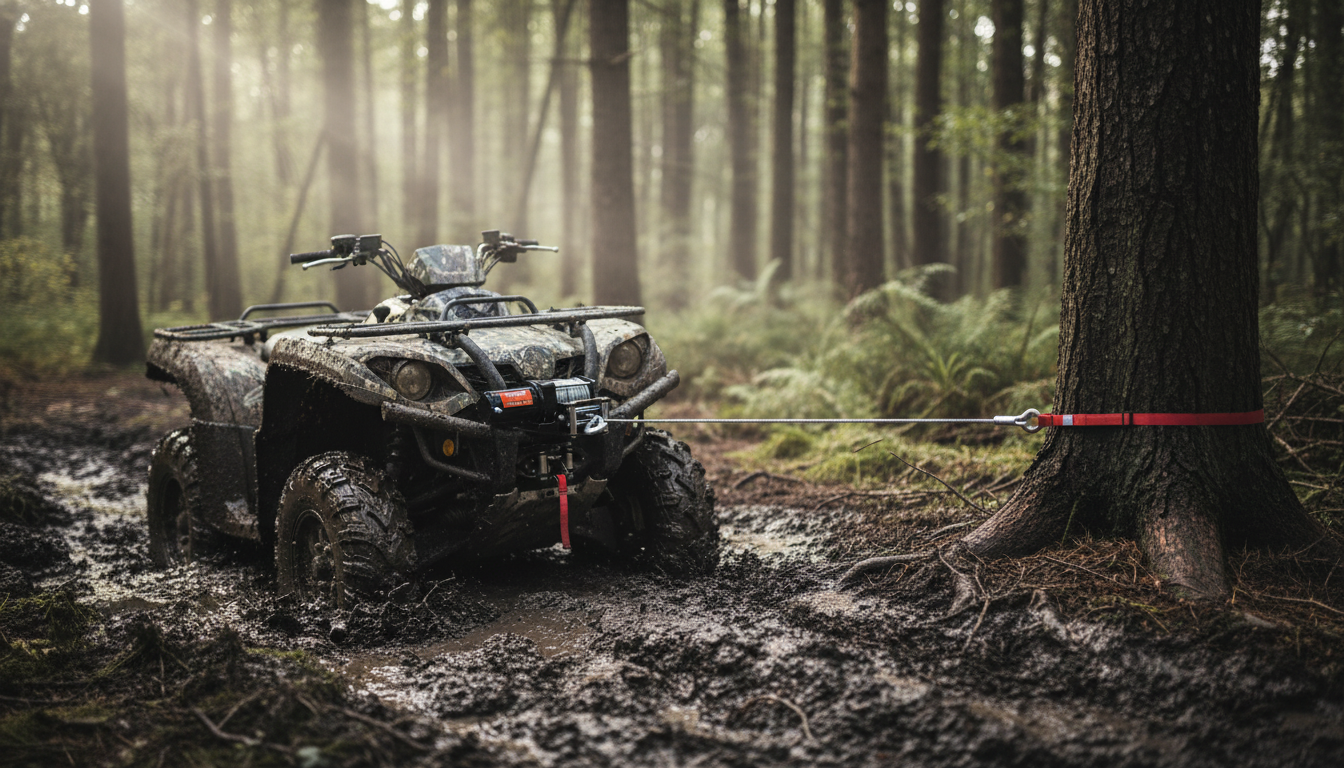
Waterproof ATV/UTV Winch with Steel Cable: Reliable Recovery for Mud, Water, and Trail Work
A waterproof winch can turn a stuck ride into a quick, controlled recovery—especially when trails involve water crossings, deep mud, and unpredictable terrain. The right ATV/UTV winch setup isn’t just about pulling power; it’s also about sealed electrics, dependable controls, correct mounting, and a cable that can handle abrasion when conditions get ugly. Below is what matters most in a waterproof ATV/UTV winch with steel cable, how to match it to real trail scenarios, and how to install and maintain it for consistent, confidence-inspiring pulls.
What This Winch Is Built For
- Self-recovery: Getting unstuck when an ATV/UTV is high-centered, buried in mud, or losing traction on steep grades.
- Helping a buddy: Assisting another vehicle over short distances when you can rig to a safe, solid anchor point.
- Property and trail chores: Moving logs, clearing debris, and positioning equipment—staying within the winch’s rated limits.
- Wet-weather readiness: Handling rain, splashes, and shallow water exposure when sealed components and protected electrical connections are in place.
For off-highway riding, recovery work should be approached with the same seriousness as any other safety task. Practical guidance and general safety reminders are available from ROHVA (Recreational Off-Highway Vehicle Association).
Waterproofing That Matters on the Trail
“Waterproof” can mean different things depending on design, sealing, and how the winch is installed. For trail reality—muddy spray, creek approaches, and repeated washdowns—these details do the heavy lifting:
- Sealed control box/solenoid housing: Reduces corrosion and intermittent power delivery issues that show up after wet rides.
- Protected electrical connections: Weatherproof boots, tight terminals, and smart cable routing help prevent voltage drop and green-corrosion surprises.
- Drum and housing sealing: Better designs keep water and grit away from moving parts and reduce contamination inside the drum area.
- Weather-protected switch/remote: Consistent operation matters when hands are cold, gloves are muddy, and timing is critical.
If a winch references an IP rating, it’s worth understanding how enclosure protection is defined. The industry reference is the IEC 60529 IP Code, which outlines protection against dust and water intrusion. Even with strong sealing, good installation practices—keeping connectors away from pooling water and securing wiring to avoid chafe—make a noticeable difference.
Steel Cable: Strength, Abrasion Resistance, and Handling
Steel winch cable is a classic choice for riders who expect contact with rocks, roots, and gritty trail edges. It’s durable under abrasion and can be a reliable option for recovery and utility pulls, provided it’s treated with respect.
- Abrasion resistance: Steel tolerates dragging and edge contact better than many lines when conditions get rocky and messy.
- Gloves are non-negotiable: Use leather gloves every time you handle the cable, and check for broken strands (“fishhooks”) before each ride.
- Even spooling prevents damage: Loose wraps invite kinks and crushing on the drum, especially after a hard pull.
- Protect the anchor and the cable: Use a rated hook setup and a tree-saver strap—never wrap the cable directly around a tree.
Steel cable rewards routine inspection. If you spot multiple broken wires in one section, severe kinks, flat spots, or corrosion that can’t be cleaned away, it’s time to replace the line before it becomes a liability.
Choosing the Right Pulling Capacity and Setup
Winch ratings are often discussed as a single number, but real recoveries rarely match ideal conditions. A “stuck” ATV/UTV can effectively weigh much more once mud suction, incline angle, rolling resistance, and cargo are factored in.
Quick Setup Checks Before Buying/Installing
| Item | What to Confirm | Why It Matters |
|---|---|---|
| Vehicle fitment | Mount plate compatibility and available space | Prevents interference with plastics, bumpers, and airflow |
| Electrical capacity | Battery/charging health; appropriate wiring and fuse/breaker | Reduces voltage drop and overheating under load |
| Rigging basics | Tree-saver strap, D-shackles/soft shackles, snatch block (optional) | Improves safety and recovery options |
| Fairlead alignment | Compatible fairlead and straight line path to anchor | Protects cable and improves spooling |
| Recovery plan | Safe anchor points and communication with spotter | Prevents risky pulls and equipment damage |
Installation Overview: Getting It Trail-Ready
Safe Winching Practices for Mud and Water Recoveries
Care, Inspection, and Off-Season Storage
Product Options (In Stock)
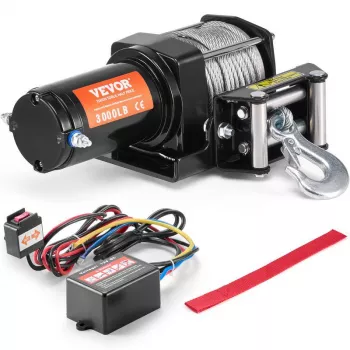
- Waterproof ATV UTV Winch with Steel Cable — A ready-to-mount recovery tool for wet, muddy trails and utility pulls; confirm fitment and plan wiring routes before installation.
- Build a Smarter Content Calendar with AI | AI-Powered Content Planning Guide (Digital Download) — Useful for organizing maintenance logs, ride plans, and gear checklists in a structured way.
- Flower Cat Tree — A practical add-on for home comfort when the day’s trail work is done.
FAQ
Is a waterproof winch safe to use during water crossings?
Waterproofing helps the winch resist splashes and shallow exposure, but it’s still best to avoid long periods of full submersion—especially around the motor and control box. After any wet use, rinse off grime, dry what you can, and inspect electrical connectors for water intrusion or corrosion.
How often should steel winch cable be replaced?
Replace steel cable when you see multiple broken strands, severe kinks, crushing/flattening, or corrosion that compromises strength. Frequent inspection and tight, even spooling greatly extend service life.
What recovery gear should be carried with a steel-cable winch?
Carry a tree-saver strap, rated shackles (or soft shackles), and leather gloves, with a snatch block as a helpful optional upgrade. Make sure every piece of rigging is rated appropriately for the winch and the recovery scenario.















Leave a comment