Calm Pet Hotel Stays: Dogs & Cats Travel Checklist
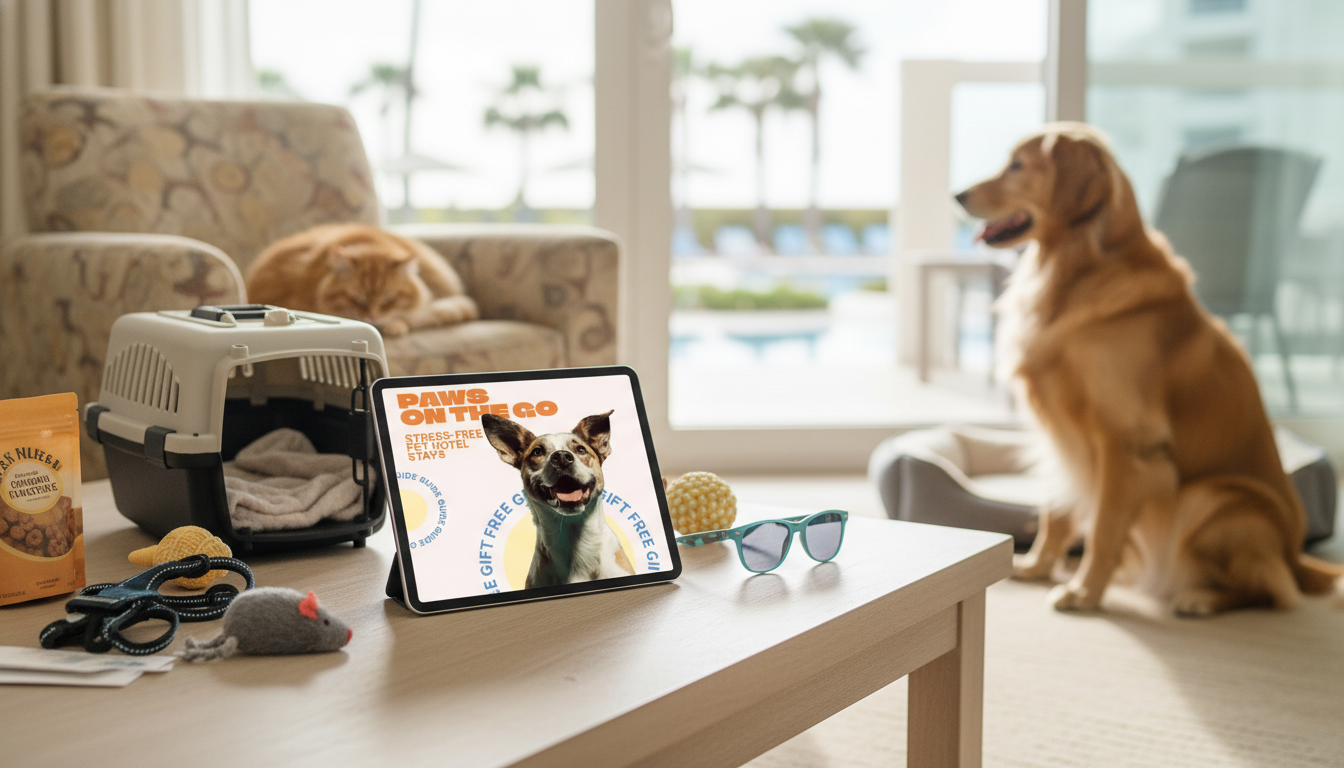
Hotel stays can be a big shift in routine for dogs and cats—new smells, new sounds, and unfamiliar rules. A calmer trip starts with choosing the right pet-friendly hotel, preparing your pet for the room environment, and using a simple system for check-in, downtime, and emergencies. Below is a step-by-step guide (plus a practical checklist) to help pets feel secure and help neighbors and staff stay comfortable, too.
Choose the right pet-friendly hotel (before booking)
Not all “pet-friendly” policies are equal. A few minutes of pre-booking questions can prevent surprises that trigger stress for you and your pet.
- Confirm pet policy details in writing: species allowed (dogs/cats), size limits, breed restrictions, number of pets per room, and any quiet-hours expectations.
- Ask about fees and deposits: per-night fee vs. one-time fee, cleaning deposit, and penalties for noise/complaints.
- Request a calm room location: away from elevators/ice machines, ideally a corner room, and on a lower floor for faster potty breaks.
- Verify nearby essentials: green space, safe walking routes, and distance to a 24/7 veterinary clinic.
- Check safety basics: secure windows/balconies, stable HVAC, and whether housekeeping enters automatically or only on request.
Helpful references for trip planning and pet travel readiness include the AVMA’s traveling-with-your-pet guidance and the AKC’s tips for traveling with your dog.
Prep at home to reduce anxiety and overstimulation
Calm hotel behavior is built before the suitcase comes out. The goal is to make “new place” feel predictable.
- Practice “settle” cues: do short daily sessions on a travel mat/blanket that will come to the hotel (familiar scent helps many pets).
- Run a mini “hotel simulation”: play hallway sounds quietly, practice relaxing as the door opens/closes, and reward calm behavior.
- Confirm health and ID: microchip registration updated, collar tag readable, and a current photo from multiple angles.
- Consider vet-approved support: ask about motion sickness, situational anxiety, and whether pheromones, calming diets, or prescription options fit your pet. (See the ASPCA’s overview on motion sickness and travel stress.)
- Pack familiar routines: same food brand, same feeding schedule, and a consistent bedtime ritual.
Pack smarter: a simple checklist for calm hotel stays
Overpacking creates clutter; underpacking creates stress. Aim for “safe, clean, and familiar.” If you want a ready-to-use system you can reuse on every trip, Paws on the Go: Stress-Free Pet Hotel Stays (eBook & checklist) keeps packing, room setup, and quiet-time routines in one place.
| Category | Bring | Notes |
|---|---|---|
| Documents | Vaccination records + emergency contacts | Some hotels request proof; keep a photo copy on phone |
| Feeding | Food + treats + scoop | Pack 2 extra days in case of delays |
| Hydration | Water bowl + bottled/filtered water (optional) | Some pets refuse unfamiliar-tasting water |
| Comfort | Blanket/travel bed + favorite toy | Use the same items from home to reinforce routine |
| Containment | Crate or carrier | Carrier doubles as a safe zone for cats |
| Hygiene | Waste bags / litter + enzyme cleaner | Clean quickly to prevent repeat marking |
| Health | Meds + first-aid basics | Keep meds in original containers with instructions |
| Calm | Pheromone spray (vet-approved) + white noise | Spray bedding (not the pet) per label guidance |
Check-in routine: set the room up for success in 10 minutes
Think “pet-proofing plus predictability.” The first minutes in the room often set the tone for the entire stay.
- Scan at pet-height: pick up dropped pills, tiny trash, crumbs, or anything chewable/swallowable.
- Create zones: sleeping zone (bed/blanket), feeding zone (away from the door), and a potty/litter plan (dogs: immediate outdoor break; cats: litter tray in a low-traffic corner).
- Block hazards: keep balcony doors closed, secure cords, and move fragile items off low tables.
- Start with decompression time: keep greetings calm, offer water, and allow controlled exploration. For cats, start in the bathroom with litter and bedding, then expand access gradually.
- Use the “do not disturb” strategy: request no housekeeping while your pet is in the room.
Managing alone time, barking/meowing, and neighbor-friendly quiet
Many pets can handle hotels—if alone time is introduced thoughtfully. The goal is to prevent panic spirals and keep sound complaints from becoming a stressful cycle.
Hotel etiquette and safety (for pets, staff, and other guests)
A ready-to-use travel guide and checklist for calmer stays
A structured plan reduces stress by making each stage predictable: choosing a hotel, packing, check-in setup, quiet routines, and emergency prep. For repeatable, travel-day-friendly guidance, Paws on the Go: Stress-Free Pet Hotel Stays (eBook & checklist) is designed for quick reference when you’re juggling luggage, leashes, and lobby traffic.
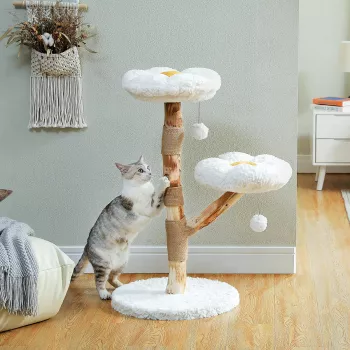
If your cat benefits from confidence-building play at home before trips, adding a stable climbing and lounging spot can help create a stronger “safe and settled” baseline between travels. Flower Cat Tree for at-home climbing and confidence building offers vertical space that many cats use to decompress and observe—skills that can translate to calmer transitions in new environments.
FAQ
How can a dog with anxiety stay calm in a hotel room?
Use a predictable routine (potty, water, settle), bring familiar bedding, add white noise, limit visual triggers with curtains, and build alone time in short intervals. If stress is significant, ask your veterinarian about vet-approved calming supports.
What is the best way to set up a hotel room for a cat?
Start in a smaller space like the bathroom with litter, water, and bedding, and keep the carrier available as a safe zone. Block risky hiding spots and expand access gradually once your cat is calm and eating/using the litter normally.
Should pets be left alone in a hotel room?
Only if the hotel allows it and your pet can stay calm and safe. Keep absences short at first, consider a crate/carrier only if your pet is already trained to relax in it, and coordinate housekeeping to avoid surprise entry.














Leave a comment