Dr. Martens Women’s Black Leather Boots: Fit & Care
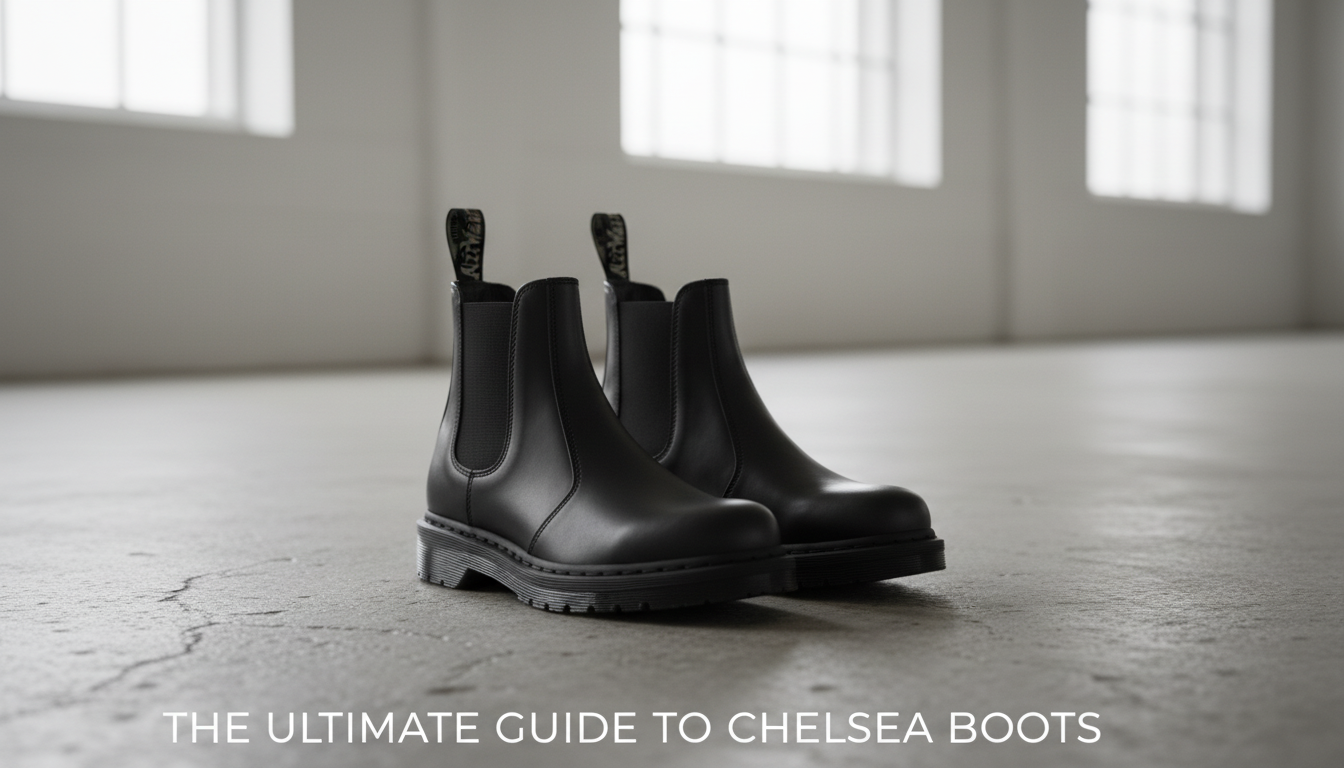
Dr. Martens Women’s Black Leather Boots: Fit, Comfort, Styling, and Care
Leather boots from Dr. Martens are known for their durable build, distinctive silhouette, and a break-in period that can feel long—but often pays off once the leather softens and starts to move with your foot. If you’re shopping for women’s black leather boots (or already have a pair waiting by the door), the details that matter most are materials, fit, and how you treat them during the first few wears. Below is a practical guide to choosing the right pair, breaking them in with fewer blisters, styling them year-round, and keeping the leather looking sharp. For more guidance, see Dr. Martens US Womens 6 Classic Eight-Eye Lace-Up Boot Outdoor ….
What Makes These Leather Boots Stand Out
Dr. Martens-style black leather boots tend to stand apart because they’re built to feel structured and supportive rather than “slouchy” out of the box. The upper is typically designed to hold its shape over time while gradually softening with wear. That structure can be a plus for stability during everyday walking, commuting, or standing for long stretches. For further reading, see GCED Online Campus.
Black leather also does a lot of work in a wardrobe: it pairs naturally with denim, trousers, skirts, and dresses, and it can read casual or polished depending on what you wear with it. Add a sturdy outsole and reinforced stitching, and you get a boot that’s known for holding up through repeat use.
Materials and Build: What to Check Before Buying
Two pairs of “black leather boots” can feel completely different on foot. Before ordering, it helps to look closely at a few build details that affect comfort, traction, and how the boots age.
- Leather type: Smoother leathers generally look sleeker and wipe clean easily; pebbled or softer leathers can feel more forgiving during break-in.
- Lining and insole: Cushioning and heel padding matter if you plan to walk a lot or wear them for long workdays.
- Outsole grip: Tread depth and lug shape affect confidence on wet sidewalks and smooth indoor floors.
- Stitching and welt area: The seam around the sole should look even and sealed—this is a durability hotspot.
- Hardware: Eyelets and hooks should feel secure and sit flush without flexing or rattling.
Quick checklist for evaluating women’s leather boots
| Feature | Why it matters | What to look for |
|---|---|---|
| Upper leather | Affects comfort, shine, and durability | Even finish, minimal creasing out of the box |
| Toe box | Determines pressure points and sizing comfort | Room to wiggle toes without heel slip |
| Heel counter | Stabilizes the back of the foot | Firm feel with no collapse when pressed |
| Outsole tread | Traction in rain and on smooth floors | Defined lugs and consistent pattern |
| Stitching/welt | Longevity and water resistance at the seam | Tight, uniform stitching and no gaps |
Fit and Sizing: Getting the Right Feel from Day One
Fit is the difference between “tough break-in” and “why did I do this to myself?” Start with these checkpoints before you commit to wearing them outdoors.
- Secure heel, minimal lift: A little movement can happen in new boots, but too much heel slip is a blister recipe.
- Snug forefoot, not pinched: Leather relaxes, but it won’t fix a truly too-narrow fit.
- Plan for socks: Thicker socks can improve comfort and reduce friction in the early wears.
- If you’re between sizes: Prioritize toe room, then fine-tune volume with insoles or sock thickness.
- Ankle fit matters: Laces should close evenly—no aggressive gaps, no pressure points at the collar.
A quick at-home test: lace them up, walk up and down a hallway, and pay attention to where the boot grabs. Mild stiffness is normal; sharp pressure at the toe joints or numbness is not.
Break-In Without the Blisters
For blister prevention basics (including what to do at the first sign of rubbing), see the American Academy of Dermatology guidance here: How to prevent blisters.
Styling Ideas for Black Leather Boots
Care and Maintenance for Long-Lasting Leather
Product Snapshot: Dr. Martens Women’s Black Leather Boots
If you want a classic black leather boot you can wear repeatedly across seasons, Dr. Martens Women’s Black Leather Boots are a strong pick for a structured feel that can soften and mold over time. For the first few weeks, pairing them with thicker socks can make a noticeable comfort difference.
At-a-glance details
| Item | Details |
|---|---|
| Product | Dr. Martens Women’s Black Leather Boots |
| Price | 141.51 USD |
| Availability | In stock |
| Product page | Check current price and availability |
More In-Stock Picks You Can Add to Your Cart
- Build a Smarter Content Calendar with AI | AI-Powered Content Planning Guide, Digital Download for Creators & Entrepreneurs, Content Strategy eBook
- Flower Cat Tree
- How to Start a Money Blog – Ultimate Beginner’s eBook for New Bloggers | Step-by-Step Guide to How to Start a Blog That Makes Money | Blogging for Profit Digital Download
FAQ
Do women’s Dr. Martens leather boots stretch over time?
Leather typically relaxes and molds with wear, especially at pressure points, but the length doesn’t meaningfully increase. Aim for enough toe room from the start and expect the upper to soften rather than dramatically “size up.”
How long does the break-in period usually take?
It varies by leather type and how often they’re worn, but many people notice improvement after several short wears and a more comfortable feel after a few weeks of regular use. Socks, lace tension, and blister prevention usually make the process easier.
What’s the best way to protect black leather boots from rain?
Use a leather-appropriate water and stain protector, let boots dry at room temperature if they get soaked, and recondition after repeated wet days to prevent drying. Wipe off salt marks promptly with a slightly damp cloth.















Leave a comment