Cart Sofa Side Table Guide: Size, Wheels & Styling
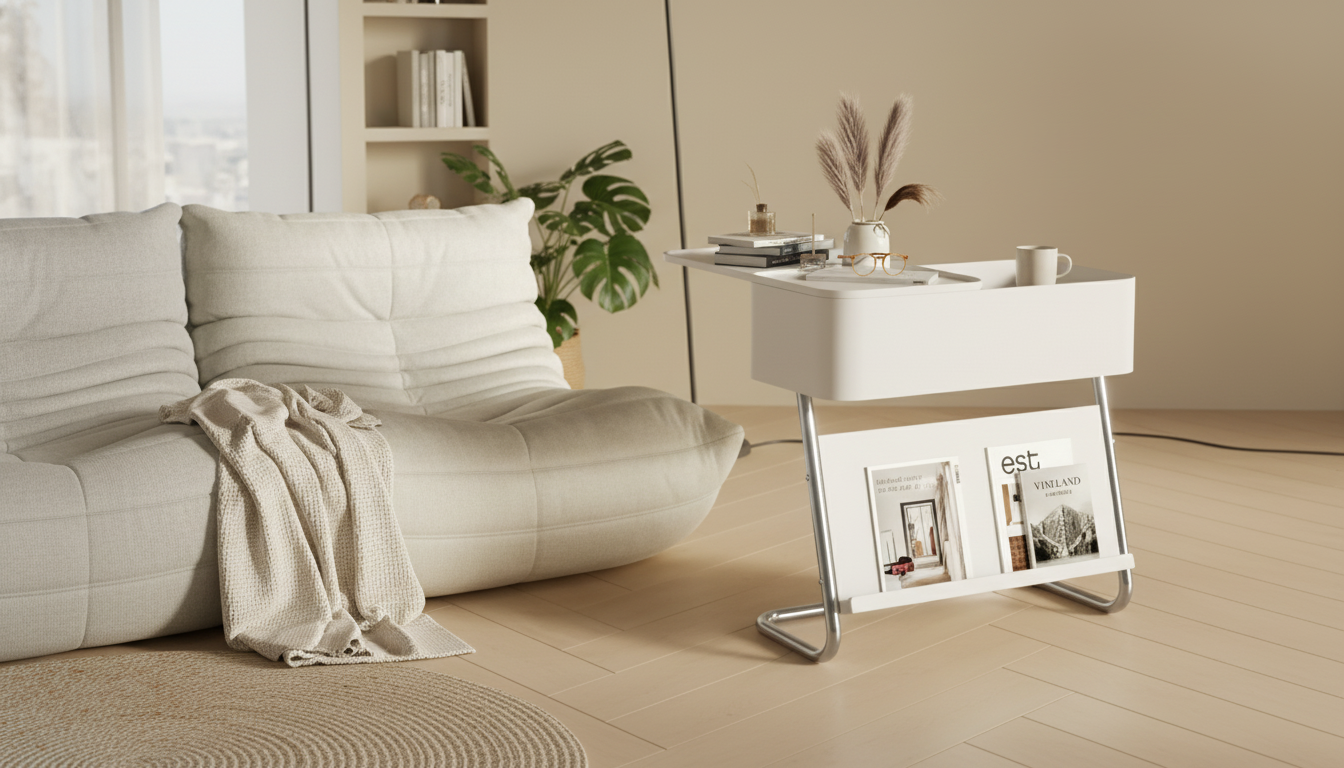
Cart Sofa Side Table: Flexible Surface Space Right Where You Sit
A rolling side table adds “right-now” surface space exactly where it’s needed—next to a sofa, an armchair, or even a bed—without locking your layout into one fixed spot. The best ones roll smoothly, park securely, and look like they belong in the room (not like a temporary workaround). Below are practical tips on sizing, placement, materials, wheel performance, safety, and styling so your cart sofa side table feels natural to use every day.
What a rolling sofa side table is best used for
- Everyday landing zone: Keep drinks, snacks, remotes, and a phone close without committing to a bulky end table footprint.
- Mobile workstation: Turn the sofa into a comfortable “desk” for a laptop or tablet—then roll it away when you’re done.
- Extra serving space: Park it near the seating area while hosting, then tuck it back to open up traffic flow.
- Small-space storage: Use shelves for books, controllers, chargers, and reading glasses while keeping the top clear.
- Flexible bedside alternative: Ideal for apartments or guest rooms where furniture needs to do double duty.
If you’re shopping for a dedicated option, the Cart Sofa Side Table is designed specifically for this kind of everyday, roll-where-you-need-it convenience.
Sizing and placement that feel natural from the sofa
- Height: Aim for the top surface to sit about level with the sofa seat height or slightly above so you can reach without lifting your shoulder.
- Top size: Make sure there’s enough room for a drink plus a small plate—or a laptop—without forcing items near the edge.
- Clearance: Leave comfortable leg room and a clean walking lane. If you have a chaise or recliner, avoid blocking moving parts.
- Reach zone: Position it so you can set something down with a relaxed elbow, not a forward lean. Adjust for armrest height and cushion depth.
- Caster clearance: Confirm the wheels can roll under/around sofa skirts and frames without snagging.
Quick placement guide by common living-room layouts
| Layout | Best placement | Why it works | Watch out for |
|---|---|---|---|
| Standard sofa + coffee table | Just outside the armrest, slightly forward | Keeps drinks accessible without replacing the coffee table | Blocking the main walkway |
| Sectional with chaise | Along the open side of the chaise | Adds a reachable surface where a traditional end table won’t fit | Wheel contact with area rug edges |
| Recliner or power sofa | Outside the recline zone with a small gap | Avoids interference with moving footrests | Pinch points near the mechanism |
| Small apartment seating | Between sofa and wall or at the sofa corner | Uses “dead space” efficiently | Tight turns for casters |
Materials, finish, and build details to look for
- Top surface durability: A wipe-clean finish that resists rings and light staining makes daily use easier.
- Frame rigidity: Push gently from the side—if it twists (racks), it can feel wobbly when rolling or typing.
- Shelves or tiers: Lower tiers keep essentials close while preventing the top from becoming cluttered.
- Edge profile: Rounded edges feel friendlier in tight seating areas and reduce painful bumps on knees and shins.
- Hardware quality: Secure joints and tight fasteners help the table stay square over time; re-tighten occasionally if you move it often.
For broader performance and safety guidance in furniture design, see the overview from BIFMA furniture safety and performance standards.
Wheels, brakes, and floor compatibility
- Locking casters: Brakes are a big upgrade if you’ll type, write, or place hot drinks—less unwanted rolling, fewer spills.
- Wheel material: Softer wheels are typically gentler on hardwood and tile; harder wheels often roll more easily on low-pile rugs.
- Rug strategy: Thicker rugs can create an “edge catch.” Keep the table mostly on the rug or mostly off it for smoother movement.
- Cable management: If you charge devices from the table, route cords away from wheel paths to prevent snags.
- Stability while moving: Put heavier items on lower shelves (if available) to reduce tipping risk.
To protect hard flooring long-term, it helps to follow practical care basics from the National Wood Flooring Association, especially keeping wheels clean and free of grit.
Styling ideas that make it feel intentional (not temporary)
Care and long-term use
A living-room pairing that complements flexible surfaces
For a clean, open look that complements a flexible table setup, consider pairing with the Floating TV Stand with 36″ Electric Fireplace and High Gloss Finish.
Safety notes for everyday use
Any movable furniture deserves a quick safety check: keep heavy items low, lock the wheels before typing or setting down hot drinks, and avoid placing a rolling table where it could become a trip hazard in a main walkway. If you have kids in the home, review tip-over prevention guidance from the U.S. Consumer Product Safety Commission (CPSC) and apply the same common-sense principles to smaller pieces—stable placement, sensible loading, and consistent habits.
FAQ
How tall should a sofa side table be?
Typically, it’s most comfortable when the tabletop is about the same height as the sofa seat or slightly higher. Fine-tune based on your armrest height and how you naturally reach while seated.
Do rolling side tables damage hardwood floors?
They can if the casters are very hard, dirty, or if grit gets trapped and dragged. Use floor-friendly wheels, keep them clean, and roll the table instead of dragging it at an angle.
Are locking wheels necessary?
They’re strongly recommended if you’ll place drinks, use a laptop, or write on the surface. Locking casters help the table stay put and reduce accidental movement.












Leave a comment