Senior Pet Home Setup: Safer Floors, Ramps, Rest Zones
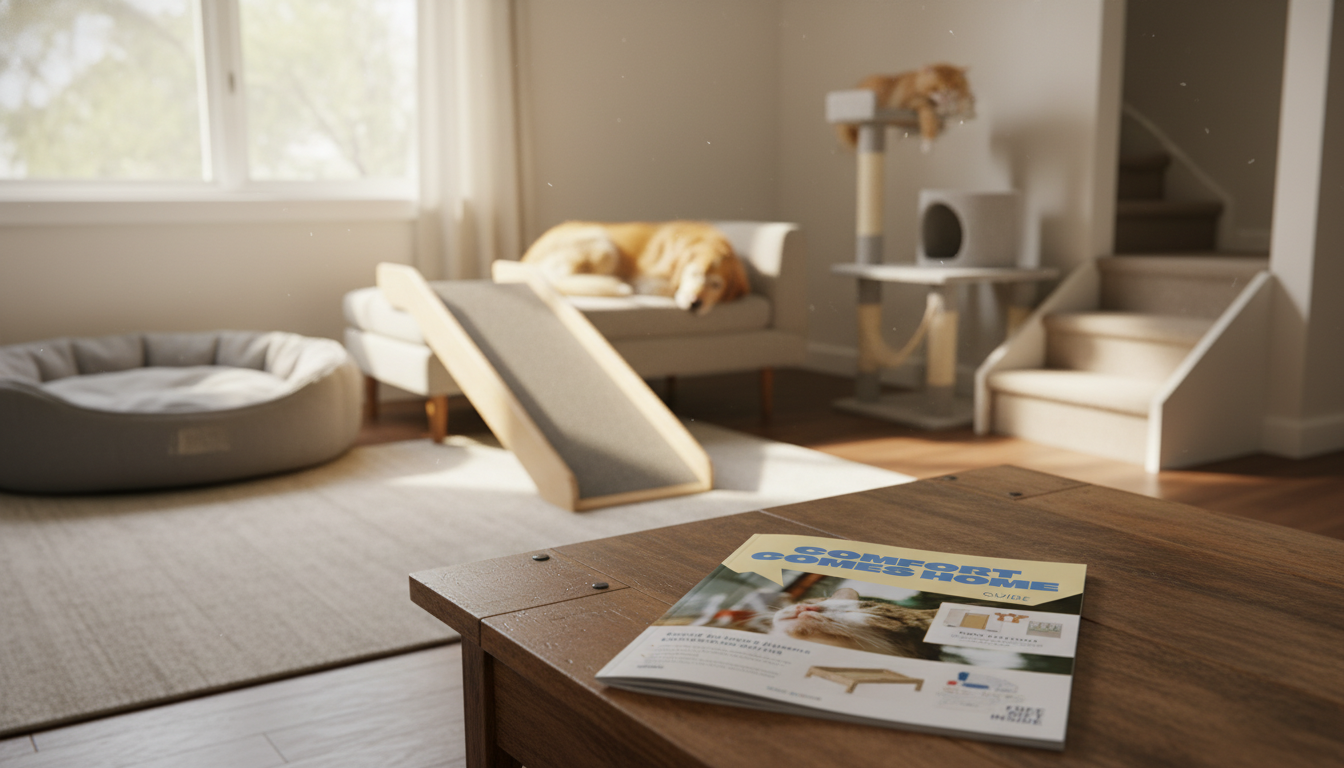
Comfort Comes Home: Gentle Home Adjustments for Aging Dogs and Cats
Aging pets often need small, thoughtful changes at home to stay comfortable, confident, and safe. Simple adjustments—better traction, easier access to favorite spots, warmer rest areas, and calmer routines—can reduce strain on joints, limit slips, and support sleep and appetite. Below are practical, room-by-room upgrades that work in real homes and real budgets, plus clear signs that a senior dog or cat may need extra support.
Signs a Pet May Need Home Support
Many senior pets cope quietly, so subtle shifts matter. Watch for changes that suggest your home setup is starting to feel “too hard” on their body or senses.
- Movement changes: hesitation on stairs, trouble jumping up, slower rising, occasional slipping on smooth floors.
- Behavior changes: seeking isolation, irritability when touched, new clinginess, reduced interest in play.
- Comfort changes: pacing at night, difficulty settling, preferring warmer spots, stiff gait after rest.
- Daily-living changes: accidents near the litter box, messy grooming, reluctance to eat from a low/high bowl.
- When to call the vet promptly: sudden weakness, repeated falls, pain cries, breathing trouble, not eating/drinking, confusion that appears quickly.
Start With the “Low-Work, High-Impact” Adjustments
If you only have an hour this weekend, aim for the changes that reduce slipping and confusion first—those often deliver the fastest confidence boost.
- Add traction on the paths your pet uses most (entryway, hallway, bed-to-water route) with runners or washable mats.
- Block risky jumps and slippery zones using baby gates, closed doors, or simple furniture repositioning.
- Raise or stabilize bowls if bending is uncomfortable; use non-slip bases to prevent bowls from sliding.
- Create one predictable rest zone in a quiet area to reduce stress and nighttime wandering.
- Use nightlights in hallways and near litter areas to help pets with declining vision.
Room-by-Room Comfort Setup
Living room
- Place grippy rugs near sofas and along common routes.
- Add a low step or ramp to favorite furniture to reduce painful jumping and missed landings.
- Keep cords, toys, and clutter off walkways—especially in the evening when shadows can be confusing.
Bedroom
- Provide a supportive bed near the caregiver (or near a heat-safe warm spot) so your pet can settle without roaming.
- Keep water nearby to reduce nighttime trips across slick flooring.
Kitchen and dining
- Keep the feeding area away from high-traffic pathways to avoid startle moments and accidental bumps.
- Consider elevated feeding for some dogs if advised by a veterinarian for your pet’s specific condition.
Bathroom and laundry
- Limit access to slick tile when possible.
- Add a mat if your pet must cross the area to reach a favorite room.
- Store chemicals securely and keep lids tightly closed—senior pets may drink from odd places if mobility makes bowls harder to reach.
Entryway and porch
- Add a non-slip mat inside and outside the door where paws often hit smooth surfaces with momentum.
- Consider a ramp for steps if hesitation is growing.
- Keep nails trimmed to improve grip.
Flooring, Ramps, and Stairs: Protect Joints and Confidence
Slips don’t just risk injury—they can make a pet move less, which often leads to more stiffness. Build “safe lanes” through your home and reduce the need to jump or scramble.
Traction strategy
Focus on the “launch and landing” zones first: the area beside the bed, the spot in front of the couch, and the stretch between food and water. Then cover the full length of the most-used routes with runners or mats that won’t bunch up.
Ramp basics
Stair alternatives
Nail and paw care
| Adjustment | Helps With | Best Placement | Budget Level |
|---|---|---|---|
| Runner rugs / washable mats | Slipping, hesitation, falls | Hallways, bed-to-bowl paths, near furniture | Low–Medium |
| Non-slip sofa/bed steps or ramp | Jumping pain, missed landings | Favorite couch/bed access points | Medium |
| Supportive orthopedic-style bed | Pressure points, restless sleep | Quiet corner, near caregiver | Medium |
| Low-entry litter box or extra box | Accidents, reluctance to enter | Near main living area; one per level | Low |
| Nightlights | Disorientation in low light | Hallways, litter area, water station | Low |
Sleeping and Rest: Warmth, Cushioning, and Easy Access
Feeding, Hydration, and Bathroom Comfort
Calm Routines and Enrichment That Don’t Overwork the Body
For cats who still want vertical space, consider safer, more stable climbing options that reduce awkward leaps. A structured piece like the Flower Cat Tree can help create a predictable climbing and resting zone when placed on non-slip flooring and away from high-traffic paths.
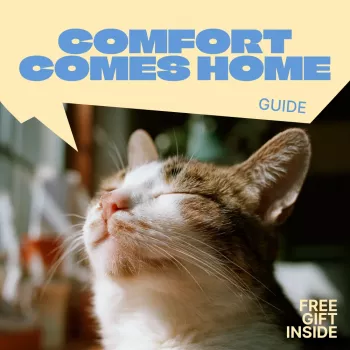
Comfort Comes Home Digital Guide: A Practical Checklist for Senior Pets
If you prefer a step-by-step plan you can implement gradually, room by room, the Comfort Comes Home | Gentle Home Adjustments for Aging Pets Guide (Digital Download) lays out practical checkpoints for traction, safer routes, rest zones, and daily routines. It’s designed to pair well with regular veterinary checkups and condition-specific advice.
When Home Changes Aren’t Enough
For broader senior-care guidance, see the AAHA Senior Care Guidelines for Dogs and Cats, the AVMA guidance on caring for pets as they age, and the ASPCA’s senior pet care resources.
FAQ
What are the simplest home changes to help a senior dog or cat right away?
Start with traction on common paths, add nightlights, create an easy-access rest area, and reduce risky jumps by using ramps/steps or blocking access to tempting furniture.
How can a home be made safer for an older pet with slipping or stiff joints?
Use rugs and non-slip mats, keep nails trimmed, limit stairs, add ramps for favorite spots, and move essentials to one level when possible to reduce daily strain.
Should a senior cat have a different litter box setup?
Often yes. A low-entry box, an extra box in a convenient location, better lighting, and a clear, non-slip route can reduce accidents and make litter habits more comfortable.













Leave a comment