6.5×4.2 Galvanized Steel Shed: Compact, Lockable
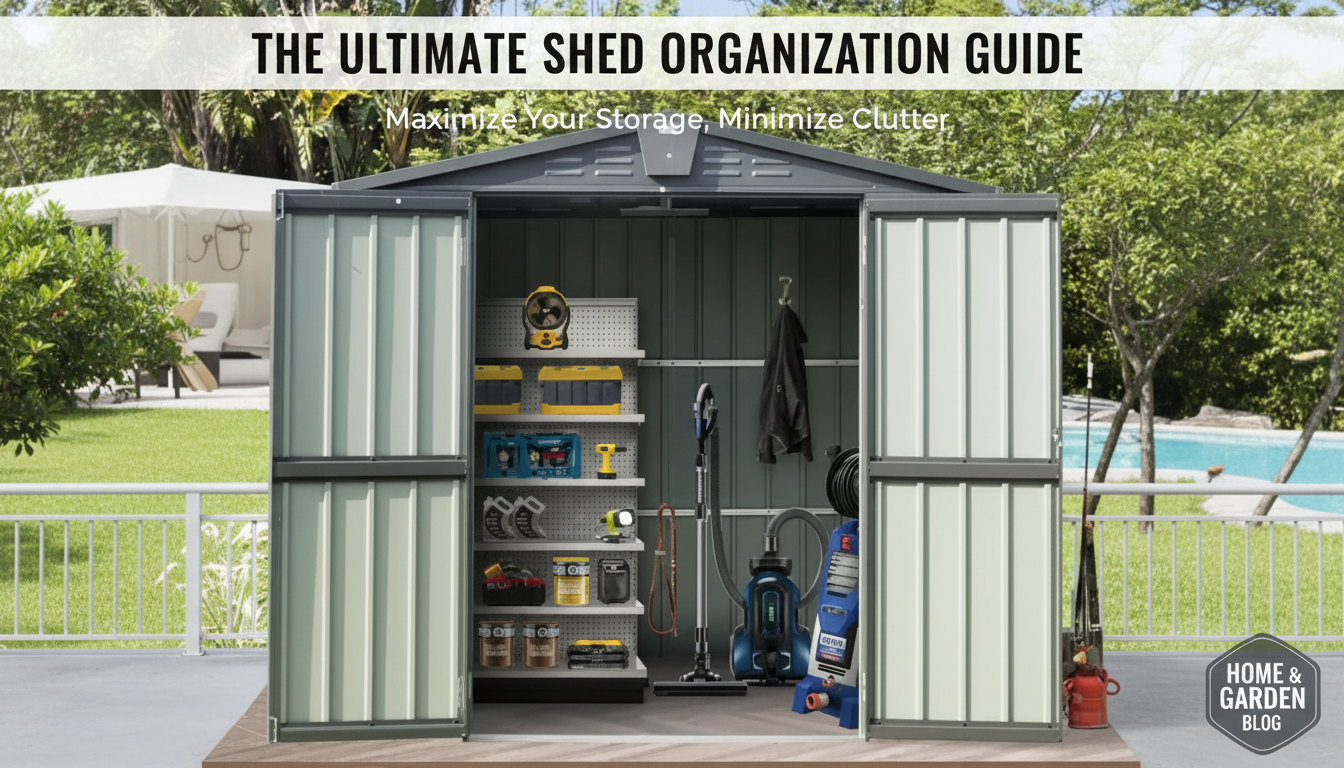
Spacious Backyard Storage Without the Bulky Footprint
A compact shed that still holds the essentials can make outdoor spaces feel calmer and easier to manage. The Spacious Galvanized Steel Outdoor Storage Shed – 6.5×4.2ft with Lockable Door is built for everyday backyard storage with galvanized steel panels for outdoor exposure and a lockable door that helps keep items contained. With a 6.5×4.2ft footprint, it’s a practical option for side yards, along a fence line, or tucked behind a garage—anywhere you want to reclaim space without dedicating a huge section of the yard.
What This Shed Is Best For
- Tool and equipment storage: rakes, shovels, hoses, pressure washer accessories, and lawn-care supplies that otherwise end up leaning in a garage corner.
- Seasonal storage: patio cushions, pool items, holiday décor bins, and extra gardening soil or pots when they’re not in use.
- Outdoor overflow: keep frequently used items out of the garage while still making them easy to grab on the way to the yard.
- Space planning tip: map the 6.5×4.2ft footprint and allow extra clearance for the door swing plus a comfortable walking path.
Key Features That Matter Day to Day
- Galvanized steel panels: designed to handle outdoor exposure and reduce routine maintenance compared with untreated materials. If you’re curious about how galvanizing helps protect steel, the American Galvanizers Association offers a helpful overview.
- Lockable door: helps deter casual access and keeps stored items contained during gusty weather when doors can otherwise rattle or shift.
- Spacious interior for the footprint: supports vertical organization using hooks, compact shelving, and stackable bins so you’re not relying only on floor space.
- Better organization options: set simple zones (garden, car-care, seasonal) so you can find what you need quickly instead of digging through mixed piles.
Size, Layout, and Storage Planning
The 6.5×4.2ft footprint works especially well for narrow side yards and tight placement areas where a larger shed would feel intrusive. The most usable setup often depends on what you store: long-handled tools benefit from wall storage, while bins and bulky items benefit from a clear floor area and an easy path to the back.
- Leave a center aisle when possible: if you’re storing bins on both sides, a small center aisle makes retrieval faster and reduces the temptation to stack items in front of the door.
- Add-on storage ideas: wall-mounted hooks for tools, a small weather-resistant shelf for bottles and sprayers, and a raised pallet or mat to keep items off the ground.
- Plan for access: keep daily-use items (hose nozzles, hand tools, leaf bags) closest to the door; push seasonal bins toward the back so they don’t block the things you use every week.
Quick Specs and Planning Checklist
| Item | Details | Why it matters |
|---|---|---|
| Shed size | 6.5×4.2ft footprint | Helps confirm fit in side yards and along fences |
| Material | Galvanized steel | Outdoor-ready construction with reduced upkeep |
| Door | Lockable | Adds basic security and containment |
| Site base | Level platform recommended (pavers, concrete, or a prepared base) | Supports stable assembly and smoother door operation |
| Organization | Hooks, small shelving, labeled bins | Maximizes usable space in a compact shed |
Weather Readiness and Placement Tips
Even a well-built shed performs best when it’s placed thoughtfully. A stable, well-drained site helps doors align properly, helps panels sit square, and reduces exposure to standing water.
- Choose a level location: this reduces door misalignment and minimizes stress on panels over time.
- Plan drainage: avoid low spots where water pools; keep the area around the shed clear so water can move away from the base.
- Wind considerations: place near a fence or structure where permitted, and anchor according to local conditions and the base used.
- Sun exposure: direct sun can heat up shed interiors. For heat guidance and preparedness tips, see Ready.gov’s extreme heat resources.
- Routine care: clear leaves and debris from edges and around the base to reduce trapped moisture and keep the perimeter tidy.
Assembly and Setup Expectations
Setting up a compact metal shed is typically straightforward, but the details matter—especially early alignment. A careful start can prevent door issues and reduce the need for later adjustments.
Security and Storage Habits
- Use the lock consistently: lock up after each use, especially when storing tools or powered equipment.
- Keep a simple inventory: labeled bins and grouped categories help prevent duplicate purchases and reduce time spent searching.
- Store chemicals responsibly: use sealed containers and keep them off the floor on a stable shelf. For safe handling guidance, consult OSHA’s Safety Data Sheets (SDS) information.
- Improve visibility: a small battery motion light near the entry can make quick access easier at night and reduce fumbling when you’re carrying gear.
Product Options Available
- Spacious Galvanized Steel Outdoor Storage Shed – 6.5×4.2ft with Lockable Door
- Flower Cat Tree
- Build a Smarter Content Calendar with AI | AI-Powered Content Planning Guide (Digital Download)
FAQ
Does a galvanized steel shed need a foundation?
A level, stable base is strongly recommended—pavers, concrete, or a prepared platform help prevent shifting, support proper panel alignment, and keep the door operating smoothly. Good drainage around the base also helps reduce water pooling, and anchoring may be appropriate depending on local wind conditions.
How secure is a lockable shed door?
A lockable door helps deter casual access and keeps the door closed so contents stay contained, especially during windy weather. For better real-world security, use a quality lock and ensure the shed is properly anchored, but keep in mind it isn’t the same as a high-security safe.
What should not be stored in an outdoor shed?
Avoid storing temperature-sensitive items, unsealed food, and anything that can be damaged by heat or humidity. Use sealed bins for susceptible items, and keep chemicals properly contained and off the floor on a stable shelf.














Leave a comment