Double-Headed Combo Cable Lock: Bike & Motorcycle Guide
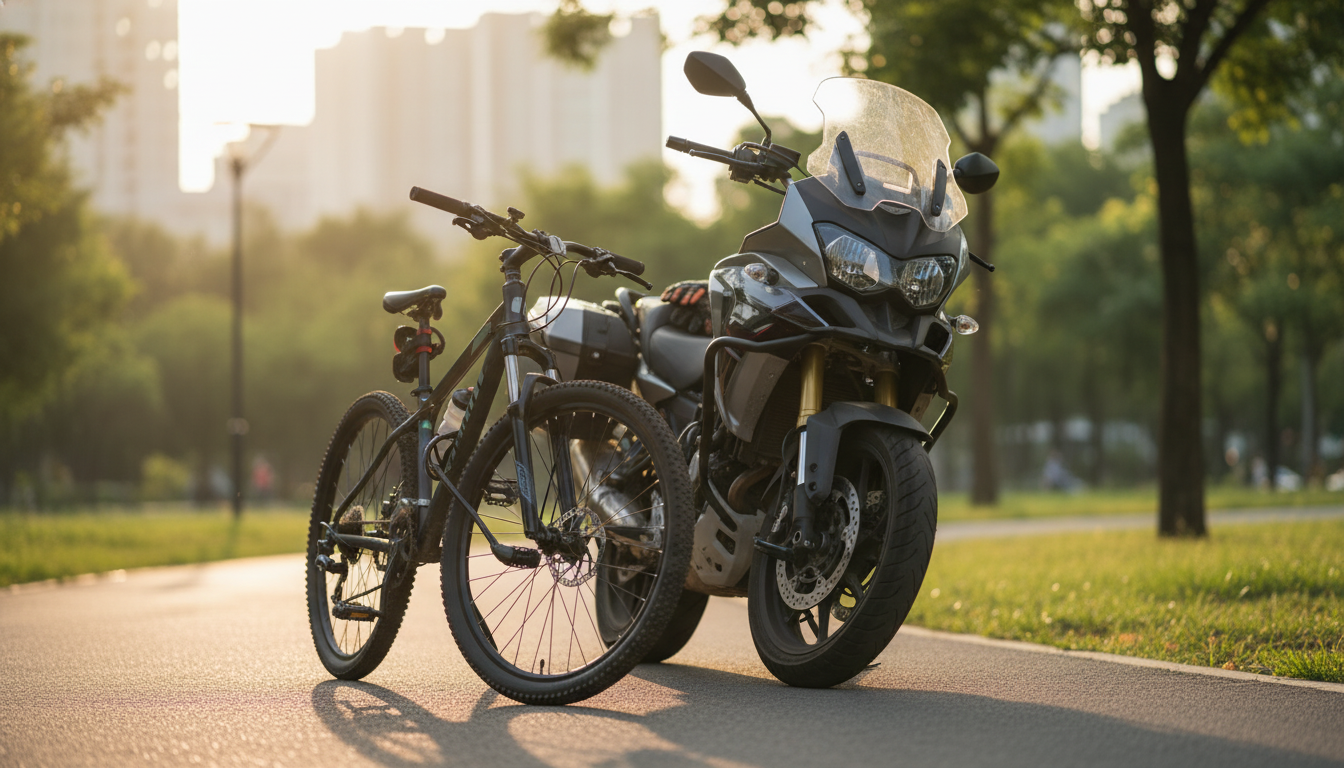
A dependable lock is as much about everyday convenience as it is about deterrence. A double-headed combination steel cable lock is designed to make quick stops simpler—looping through frames, wheels, helmets, or gear—while reducing the hassle of carrying keys. This guide breaks down how this style of lock works, where it fits best, and how to use it for stronger real-world security on both bikes and motorcycles. For more guidance, see Product Review: Prevent bike theft with these locks (and bits of advice).
What a double-headed combination cable lock is
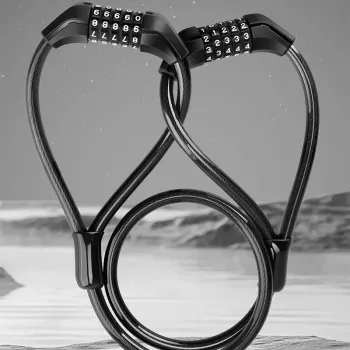
A double-headed combination steel cable lock uses a steel cable core meant to discourage casual cutting and tampering during short-to-medium stops. Instead of a single locking end, it has two lock heads, which opens up more routing options when the rack, post, or parking layout isn’t ideal. For further reading, see Cable lock in hand baggage? – Cycling UK Forum.
- Steel cable core: Built to resist opportunistic attacks and quick snips better than basic cords, especially when paired with good locking habits.
- Two lock heads for flexibility: Secure both ends to different points, or secure one end and loop the other—useful when you need to reach around wide posts or awkward rails.
- Combination access: No key ring to manage, and easier to share among commuters, families, or riding groups.
- Realistic security role: Best as a visible deterrent and anti “grab-and-go” tool; for high-risk areas, layering with a hardened chain or U-lock adds resistance to power tools.
When this lock style makes the most sense
This design shines when speed and flexibility matter more than maximum cut resistance. It’s especially practical when you lock up frequently and want fewer steps each time.
- Quick errands and daytime parking: Great for coffee runs, convenience-store stops, and short appointments where theft is more likely to be opportunistic.
- Securing accessories: Lock a helmet to a motorcycle, a jacket to a luggage rack, or add a second layer to help protect bike wheels or a seat.
- Campus and office routines: Ideal for multiple lock/unlock cycles per day without fumbling for keys.
- Limited anchor options: Two locking ends can make it easier to wrap around rails, posts, and structures that don’t line up neatly with a single-head cable.
Key features to look for before buying
Not all cable locks feel the same in daily use. The small details—dial feel, cable length, and coating quality—often matter more than you expect after a week of commuting.
- Cable thickness and construction: Thicker steel and a tighter weave generally improve resistance to hand tools and reduce how easily the cable can be “worked” into a cutting position.
- Protective coating: A durable sleeve helps prevent scratches on frames and improves tolerance to rain, sun, and road grime.
- Combination mechanism quality: Dials should turn smoothly but not loosely; clear alignment marks help reduce misreads in low light.
- Length and flexibility: Long enough to reach a real anchor and pass through the frame/wheel, but not so long that extra slack makes leverage and tool placement easier.
- Weather durability: Look for corrosion resistance and a mechanism that stays usable after dust, drizzle, or salty winter air.
Practical checklist for choosing a cable lock setup
| Use case | Recommended locking approach | What to prioritize | Extra tip |
|---|---|---|---|
| Bike quick stops (5–20 min) | Cable through frame + front wheel to a fixed rack | Low slack, easy dialing, scratch protection | Lock higher off the ground to reduce leverage |
| Bike longer parking (30–120 min) | Cable plus a secondary hardened lock if possible | Thicker cable, sturdy heads, weather resistance | Choose busy, well-lit parking and a solid anchor |
| Motorcycle helmet/gear | Cable through chin bar or D-ring to frame/rail | Length, flexibility, fast combination access | Avoid locking only to removable plastic parts |
| Motorcycle as primary lock | Use cable as a supplement (wheel/cover/gear) | Visibility and convenience | Pair with disc lock or chain for stronger deterrence |
How to lock a bike effectively with a cable
A cable lock performs best when your technique limits attack time and tool access. The goal is to make the bike annoying to steal, not just technically “locked.”
For broader guidance on day-to-day bike security habits, the National Crime Prevention Council’s bicycle security tips are a solid baseline for parking choices and theft prevention routines.
How to use it on a motorcycle (realistic expectations)
Setting and maintaining the combination
Product option in stock
- Double-Headed Combination Steel Cable Lock for Bikes and Motorcycles — A convenient, keyless cable lock designed for versatile locking configurations and quick daily use. Best suited for commuters and riders who want fast access, flexible routing, and a deterrent for short-to-medium stops.
More in-stock items
- Flower Cat Tree
- Build a Smarter Content Calendar with AI | AI-Powered Content Planning Guide, Digital Download for Creators & Entrepreneurs, Content Strategy eBook
FAQ
Is a combination cable lock enough for overnight parking?
Usually not on its own. Cable locks are primarily deterrents and can be faster to defeat than hardened U-locks or chains, so overnight or high-risk parking is safer with layered security, a strong anchor, and a higher-grade primary lock.
How do the two lock heads help compared to a single-head cable lock?
Two lock heads make routing more flexible around large anchors and awkward parking layouts, and they can help you capture multiple items (like frame + wheel + helmet) with less awkward slack. That flexibility often means a tighter, cleaner lockup in real-world conditions.
What should be locked on a bike to prevent the most common thefts?
Prioritize locking the frame to an immovable object, then secure at least one wheel (both if you have enough length). Remove or secure quick-release parts and accessories, keep slack minimal, and position the lock off the ground when possible.














Leave a comment