Fish Feeding Checklist: Right Daily Portions & Timing
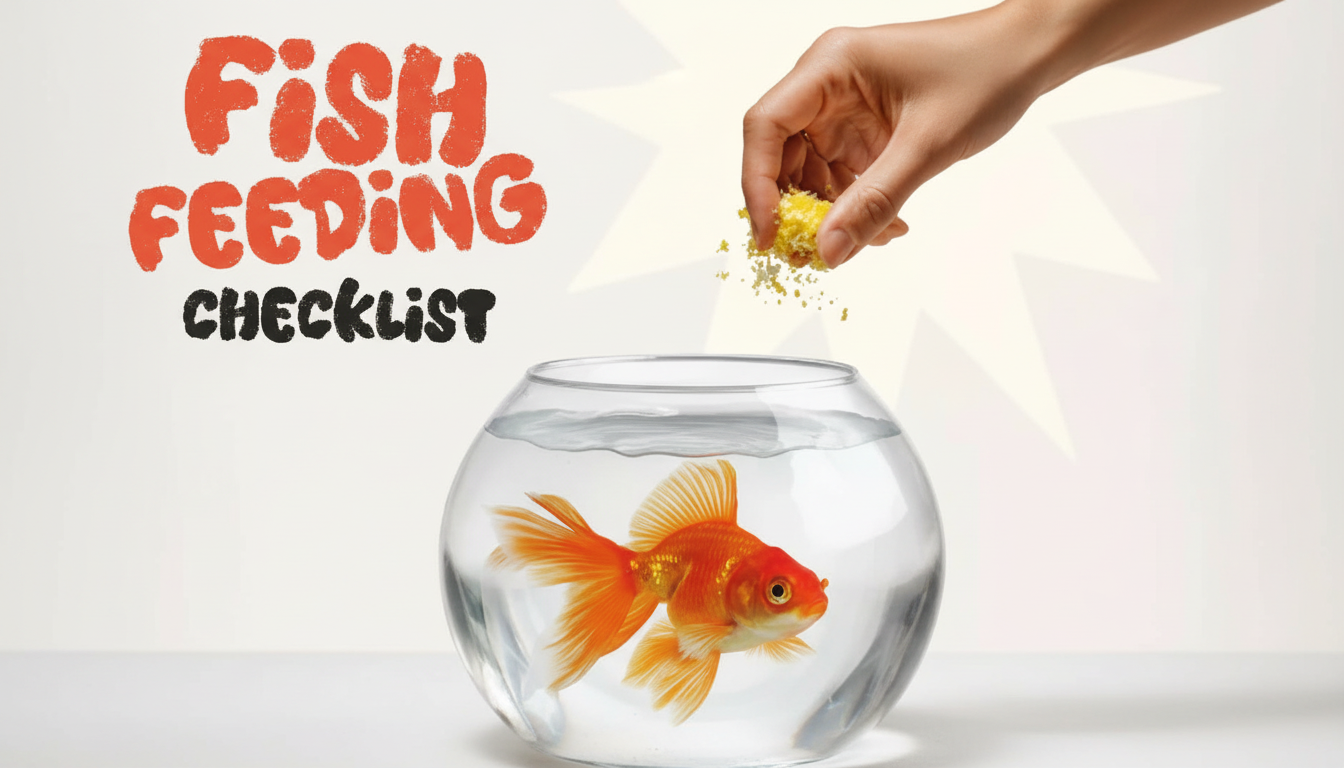
Fish Feeding Checklist: How Much to Feed Fish Each Day for Healthy Aquarium Care
Feeding too much is one of the fastest ways to create cloudy water, algae spikes, and stressed fish—while feeding too little can weaken immunity and dull color. A reliable routine keeps fish in good condition and keeps the tank stable. Use the checklist below to set a “right-sized” daily portion, then fine-tune it based on what your fish do, how they look, and what your water tests show. For more guidance, see 3.3. Amount of Fish Food – Aquarium Science.
The daily fish-feeding checklist (quick routine)
- Check fish behavior before feeding: active swimming, normal posture, and no rapid gill movement.
- Confirm equipment basics: filter running, heater stable, and surface movement for oxygen.
- Feed small portions in short windows: offer only what is eaten in about 30–90 seconds (species dependent).
- Remove leftovers promptly: net or siphon uneaten food after 2–3 minutes to limit ammonia spikes.
- Record what changed: note portion, food type, and any unusual behavior to spot patterns.
Daily checklist (printable routine)
| Step | What to do | What to watch for | Adjust if… |
|---|---|---|---|
| 1. Observe | Look at swimming, breathing, color, fin position | Normal interest in surroundings | Hiding, clamped fins, gasping: delay feeding and check water |
| 2. Portion | Start with a pinch/pellet count suitable for the group | Food gets eaten steadily | Food falls untouched: reduce size/type or check for illness |
| 3. Timing | Stop adding food after first portion is consumed | Most fish finish quickly | Feeding stretches longer than 2–3 min: portion is too large |
| 4. Cleanup | Remove uneaten food and wipe glass line if needed | Bottom stays mostly clean | Frequent leftovers: cut back or switch to slower-sinking food |
| 5. Log | Note feeding amount and any issues | Stable routine and growth | Rising nitrate/algae: reduce feed or increase maintenance |
How much should fish be fed daily? Practical portion rules
For most community aquariums, the most dependable measuring tool is time, not “a big pinch” or “a full scoop.” Start small and let fish show you the correct amount. For further reading, see How to Properly Feed Your Fish – Aqueon.
- The short-eating window rule: feed what the tank consumes in 30–90 seconds, once or twice daily depending on species and stocking level.
- Split meals for timid fish: keep the same total daily food, but divide it into two smaller feedings to reduce competition and missed meals.
- Pellets (count-based start): try 1–2 micro pellets per small fish as a starting point, then adjust over a week based on body shape and leftover waste.
- Flakes (pinch-based start): begin with a pinch that barely covers part of the surface; crush for small mouths so it gets eaten rather than drifted into the filter.
- Bottom feeders: after the main group finishes, target-feed sinking foods near their zone and remove remnants later.
When unsure, underfeed slightly for a few days and reassess. Healthy adult fish can handle modest reductions far better than a tank can handle repeated overfeeding.
Feeding frequency by fish type and life stage
- Tropical community fish (tetras, rasboras, livebearers): usually 1–2 feedings/day. Smaller, more frequent meals can help shy fish get their share.
- Goldfish: often do best with two small feedings because they produce a lot of waste. Tight portions help keep water clear and stable.
- Cichlids: feed to appetite but keep portions controlled; watch for aggression at mealtime and adjust strategy (multiple feeding spots, sinking foods, or separation).
- Betta: typically small portions 1–2 times/day. Overfeeding is a common cause of bloating and messy water in small tanks.
- Fry and juveniles: 2–4 tiny meals/day with appropriately sized food; remove excess promptly to prevent rapid fouling.
Food types and how they affect portions
- Flakes: easy to overfeed because they spread. Feed tiny pinches and crush for nano fish.
- Pellets: consistent dosing and less mess when sized correctly. If fish spit pellets, they’re often too large or too hard—switch sizes or pre-soak briefly.
- Frozen foods: strain or rinse when possible to reduce nutrient-rich juices that can cloud water; offer small portions and watch the substrate for leftovers.
- Live foods: highly palatable and useful for conditioning, but use sparingly and source safely to avoid parasites or pests.
- Algae wafers/bottom tablets: use a timer approach—add a small piece, then remove what remains after 2–4 hours (or by morning, depending on your cleanup crew).
Signs of overfeeding vs underfeeding (and what to do next)
Overfeeding: what it looks like
Underfeeding: what it looks like
Water quality checkpoints that guide feeding
For deeper background on cycling and why waste spikes happen, see The Nitrogen Cycle (aquarium basics) and general welfare guidance from the RSPCA aquarium care resources.
Special situations: vacations, fasting days, and new fish
Printable checklist resource
- Fish Feeding Checklist – How Much Should You Feed Fish Daily? Complete Guide for Aquarium Care
- Rate Right | Freelance Pricing Checklist with ai for setting freelance rates, Confident Rates, Smart Pricing Strategy
FAQ
Is it better to feed fish once or twice a day?
Most tropical community fish do well with 1–2 feedings daily, and the total daily amount matters more than the schedule. Fry and juveniles usually need more frequent small meals, while messy fish like goldfish often do better with two smaller feedings.
How long should fish take to eat their food?
For many community tanks, aim for 30–90 seconds of active eating; slower feeders may take up to a couple of minutes. Stop adding food once interest drops, and remove leftovers promptly if anything starts settling.
What should be done if uneaten food keeps collecting on the bottom?
Clean it out right away, reduce portions, and consider switching to a better-sized food (or target-feeding bottom dwellers separately). If the problem continues, check for competition or illness and test ammonia/nitrite to confirm the tank is stable.















Leave a comment