Best AI for Home: Smart Control, Security, Savings
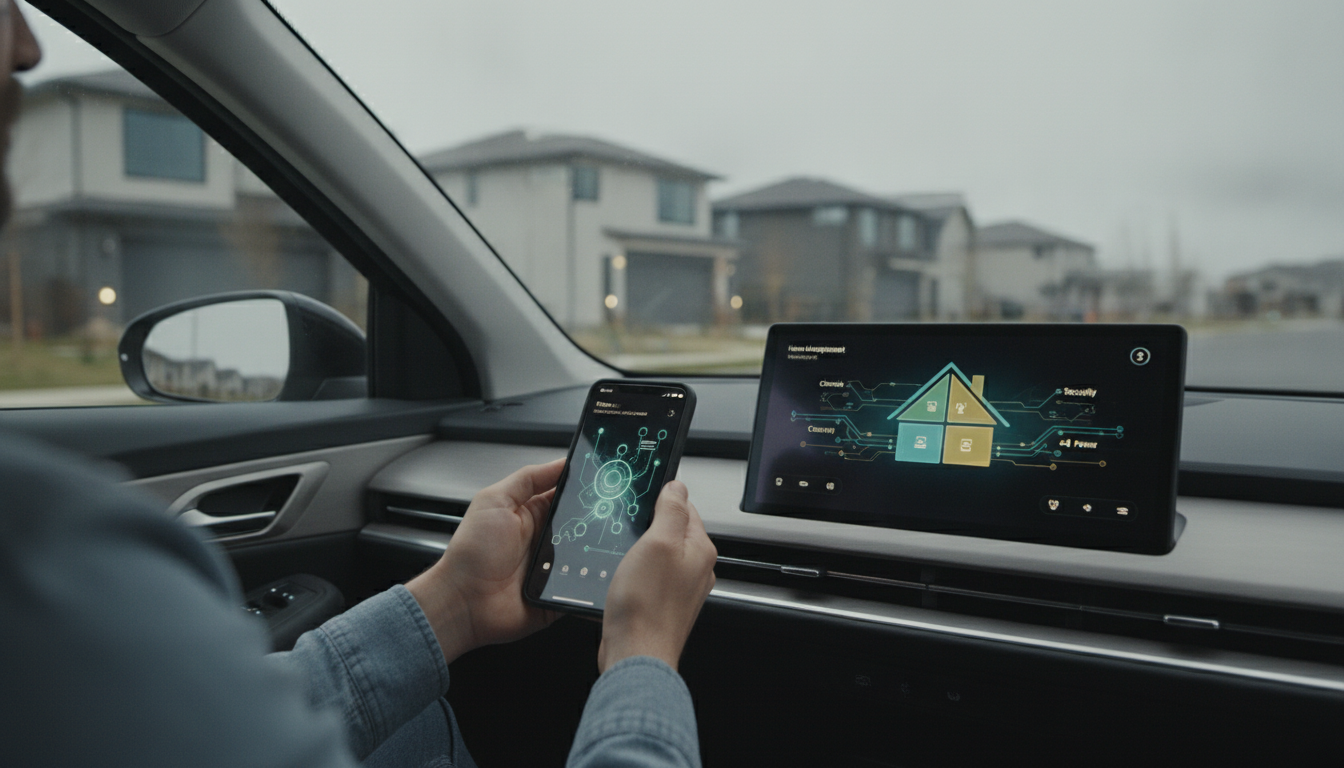
Which AI is best for home?
The best AI for “home” depends on what you want it to do: manage devices, protect your property, save energy, or help you make smarter real-estate decisions. For most households, the strongest setup is a mix of (1) a home assistant for everyday convenience, (2) a security-focused AI layer, and (3) a data-driven home valuation tool when money is on the line.
Best AI for smart home control (daily convenience)
If the goal is voice control and automations—lights, thermostats, routines, reminders—choose an assistant that matches the devices already in your home. Look for broad compatibility (Matter/Thread support), reliable routines, and strong on-device options where available. The “best” here is the one that connects to the most of your current gear without workarounds.
Best AI for home security (protection and alerts)
For safety, prioritize AI features that reduce false alarms: person/package/vehicle detection, customizable activity zones, and clear event timelines. If privacy matters, favor systems that offer local processing or flexible storage settings, so video isn’t automatically sent to the cloud unless you choose it.
Best AI for saving money (energy and maintenance)
Energy-focused AI works best when it can learn schedules and respond to real conditions—occupancy, weather, time-of-use rates, and room-by-room temperature differences. Pairing an AI-enabled thermostat with smart plugs and usage reporting can deliver practical savings without constant manual tweaking.
Best AI for home value and pricing decisions
When the question is really about your home’s market value—refinancing, listing, buying, or negotiating—an AI valuation approach is often the most useful “AI for home” because it turns comparable sales and local market signals into a pricing range you can act on. For a clear walkthrough of how AI-powered home valuation works and what data matters most, see this AI home valuation guide.
Quick way to choose the right AI for your home
Start with the highest-stakes outcome: security, savings, or selling/buying. Then confirm (1) device compatibility, (2) privacy/storage controls, (3) total cost (hardware + subscriptions), and (4) how easy it is to override or fine-tune the AI when it gets something wrong.
FAQ
How accurate are AI home valuation tools?
Accuracy depends on data quality and market volatility. They tend to perform best when recent comparable sales are plentiful and the property’s features are well-documented, and they’re less reliable for unique homes or rapidly changing neighborhoods.
















Leave a comment