End Toddler Bedtime Battles With a Calm, Gentle Routine
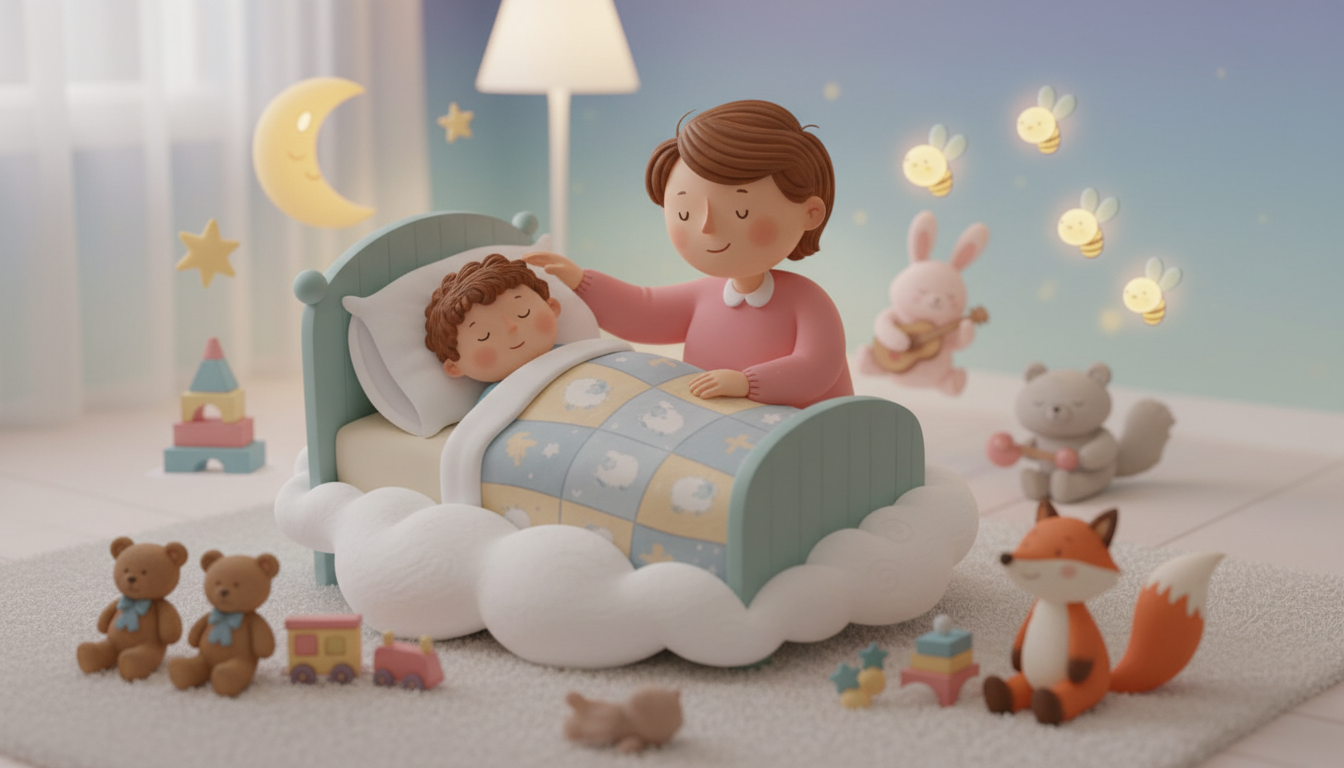
Sweet Dreams, Little One: A Gentle Guide to Ending Toddler Bedtime Battles
Toddler bedtime battles usually come from a mix of development, sleep pressure, separation worries, and daily overstimulation—not “bad behavior.” When you pair a calm plan with consistent cues and a few targeted tweaks, nights can feel predictable again. Below are the most common reasons toddlers resist sleep, plus gentle steps you can start tonight, including a routine checklist you can copy or print.
What Bedtime Resistance Looks Like (and Why It’s So Common)
Bedtime resistance can look surprisingly creative: “one more book,” another sip of water, a sudden need to potty, extra hugs, or a burst of energy the moment pajamas come out. Some toddlers protest loudly, others quietly worry, and many start leaving their room repeatedly.
Between about 18 months and 4 years, big shifts are happening fast—language blooms, independence grows, imagination gets vivid, and preferences get strong. That same brain growth that helps your toddler learn new words can also fuel bedtime debates and fears.
“Wired but tired” is another common pattern. If bedtime is too late or naps are misaligned, a toddler may look energetic while actually being overtired. And when small nightly battles reliably delay bedtime, they can become learned routines—so consistency matters more than intensity.
Why Toddlers Fight Bedtime: The Most Common Root Causes
Most bedtime battles fall into a few predictable categories. Finding the closest match helps you choose the gentlest fix.
| What you notice | Likely cause | Gentle adjustment to try |
|---|---|---|
| Meltdowns right at lights-out | Overtiredness | Move bedtime earlier by 15 minutes for 3 nights; add a calmer wind-down |
| Takes 60+ minutes to fall asleep but seems happy | Undertiredness | Shorten nap or shift bedtime later by 15 minutes; add active play earlier in the day |
| Screams when you leave, settles when you return | Separation anxiety | Use a predictable check-in plan; practice short daytime separations |
| Endless requests (water, potty, hugs) | Stalling + boundaries | Pre-bed “needs check” and a firm, kind script; reduce negotiations |
| Sudden fears of dark/noises | Imagination + fear | Nightlight, comfort object, simple reassurance; avoid lengthy debates about fears |
Sleep needs vary, but trustworthy guidance can help you sanity-check your expectations. The American Academy of Pediatrics sleep resources and the CDC sleep overview are solid references for healthy sleep habits and common concerns.
Build a Calm, Predictable Bedtime Routine That Sticks
A routine works best when it’s repeatable—even on busy nights. Aim for the same start time and the same sequence so your toddler’s body learns what comes next.
- Keep it short and soothing (about 20–40 minutes): wash up, pajamas, teeth, story, cuddle, lights out.
- Use clear “bookends”: a starting cue (dim lights, pajamas) and an ending cue (the same goodnight phrase every night).
- Do a “needs check” before the final story: potty, water, comfort item, room temperature.
- Offer limited choices earlier: “Blue pajamas or green?” “One book or two?” (Then stick to what was chosen.)
- Use transition warnings: “Five more minutes, then bath,” especially if abrupt switches trigger meltdowns.
Printable-Style Bedtime Routine Checklist (Example)
| Step | Target time | Notes to keep it gentle |
|---|---|---|
| Snack (if needed) | 45–60 min before bed | Keep it small and familiar; avoid sugary treats close to bedtime |
| Bath / wash-up | 30–40 min before bed | Warm, dim lights; avoid high-energy water play if it winds your child up |
| Pajamas + teeth | 20–30 min before bed | Same order every night; let toddler do a “helper” task |
| Story time | 10–20 min before bed | Pick calmer books; keep the number consistent |
| Cuddle + goodnight script | 2–5 min before bed | Short, confident, loving; avoid introducing new topics |
| Lights out | Same time nightly | Room cool/dark; white noise if helpful; leave with a predictable plan |
If you want a ready-to-use version you can keep on your phone (and share with other caregivers), the digital download Sweet Dreams, Little One: Understanding and Soothing Your Toddler’s Bedtime Battles (digital eBook & checklist) lays out the “why” behind resistance and includes practical scripts and a simple routine tracker.
Gentle Scripts and Boundaries for Common Battle Moments
Stalling requests
Repeated room exits
Crying when you leave
Fears (dark, noises, “monsters”)
Prevent power struggles
Daytime Fixes That Make Nights Easier
For some families, the environment matters too—soft lighting, a cozy shared space for stories, and a predictable “calm zone” can reduce the ramp-up before the routine even starts. If you’re refreshing a family room used for wind-down time, a warm focal point like the Floating TV Stand with 36″ Electric Fireplace and High Gloss Finish can help create a quieter evening atmosphere (while still keeping toys and distractions tucked away).
When to Adjust the Plan (and When to Get Extra Help)
A Simple, Downloadable Plan for Busy Evenings
If you want an all-in-one resource you can reference quickly, Sweet Dreams, Little One: Understanding and Soothing Your Toddler’s Bedtime Battles (digital eBook & checklist) is designed for busy evenings, with practical steps you can apply immediately and a routine format that stays consistent from night to night.
FAQ
Why does my toddler fight bedtime even when they seem tired?
Many toddlers look energized when they’re overtired because stress hormones can make settling harder. A consistent routine plus a small schedule shift (like moving bedtime earlier or later by 15 minutes for a few nights) often clarifies whether overtiredness or undertiredness is driving the fight.
How long should a toddler bedtime routine be?
A predictable 20–40 minute routine is a good target for most toddlers. Keep the steps calming and consistent, and avoid adding new activities once the routine starts.
What can be done if my toddler keeps getting out of bed?
Return them calmly and boringly with minimal talking, every time, so leaving the room doesn’t “work.” Pair that with a clear plan (like brief check-ins) and praise staying in bed the next morning.
















Leave a comment