Minimalist Wardrobe Guide: Build a Calm, Stylish Closet
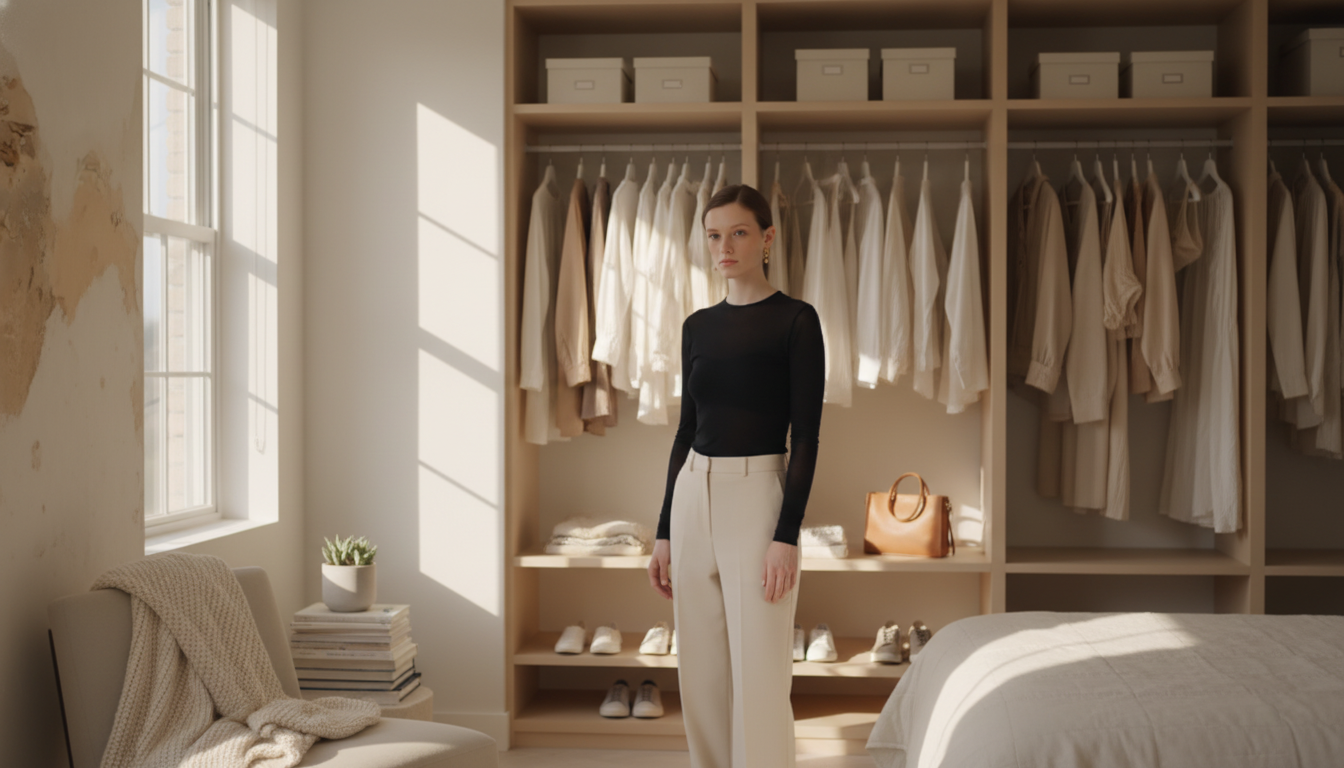
Minimalist Wardrobe: The Ultimate Guide to a Stylish, Stress-Free Closet
A minimalist wardrobe streamlines daily decisions without sacrificing personal style. By keeping a smaller set of versatile, well-fitting pieces and letting go of “maybe someday” items, getting dressed becomes faster, outfits become more cohesive, and shopping becomes more intentional. This guide walks through a practical reset—edit, plan, build, and maintain—so the closet stays calm and functional all year.
What a Minimalist Wardrobe Really Means
A minimalist wardrobe isn’t about living with the fewest possible items—it’s about keeping what earns its space. The goal is usefulness and repeatability: clothing that works across multiple days, settings, and seasons.
- Prioritize fit and comfort: pieces should feel good from morning to night, not require constant adjusting.
- Build cohesion over quantity: fewer items can create more outfits when they coordinate in color and vibe.
- Define “minimal” personally: climate, laundry frequency, work dress codes, and lifestyle all change what’s realistic.
- Lower friction: fewer mismatched items means quicker mornings, easier packing, and less closet overwhelm.
Set the Style Foundation: Lifestyle, Palette, and Silhouettes
The easiest way to end up with a closet full of “nice, but not me” is to plan for an imaginary life. Build around the real calendar: what gets worn on an average week, not an aspirational one.
- Map your week: work days, errands, school runs, workouts, dinners out, travel, weather needs.
- Choose a simple palette: 2–3 neutrals (like black, navy, cream, gray) plus 1–2 accent colors that mix easily.
- Pick core silhouettes: choose 2–3 outfit shapes you genuinely like on your body (and will repeat).
- Identify non-negotiables: walkable shoes, fabrics that don’t irritate, and a layering plan for temperature swings.
Minimalist wardrobe blueprint (adjust counts to climate and lifestyle)
| Category | Suggested range | Notes for versatility |
|---|---|---|
| Tops | 8–14 | Mix basics (tees, tanks) with 2–4 elevated options (button-down, blouse) |
| Bottoms | 4–7 | Include one dressy option and one casual everyday staple |
| Layers | 3–6 | Cardigan, denim jacket, blazer, light coat; add warmth layer if needed |
| Dresses/Jumpsuits | 1–4 | Choose at least one that can be dressed up or down |
| Shoes | 3–6 | Everyday walking pair, dress pair, weather pair; optional sneaker/sandal |
| Accessories | 6–12 | Belts, minimal jewelry, bag(s), scarf/hat for climate |
| Active/Sleep | As needed | Keep functional sets; replace worn-out items promptly |
Declutter with a Clear, Low-Stress Method
Decluttering is simpler when the process is structured and time-bound. Start with momentum, then move into a try-on audit that rewards honesty.
- Quick win first: pull obvious no’s—items that are damaged beyond repair, physically uncomfortable, or never-worn impulse buys.
- Try-on audit: for everything else, keep only what fits now and can make at least three outfits.
- Use four piles: Keep, Tailor/Repair, Donate/Sell, Recycle. Put a deadline on the Tailor/Repair pile so it doesn’t become a forever-limbo stack.
- Watch common clutter traps: duplicates that never get chosen, aspirational sizes, and guilt-keepers (items saved because they were expensive).
- Limit the “maybe” category: one box, dated 30–90 days. If it’s not worn by then, it goes.
For responsible disposal, follow local guidance and textile programs when available. The EPA offers practical direction on donation and recycling options: How to Donate or Recycle Textiles Responsibly (EPA guidance).
Build Outfit Formulas That Repeat Without Feeling Repetitive
Minimalism works best when the closet is built for repetition—without boredom. Outfit formulas are your shortcut: repeatable combinations that feel like “you,” with small swaps that change the tone.
- Create 5–8 go-to formulas: think “top + bottom + shoe,” then add a layer option (blazer, cardigan, jacket).
- Plan around layering: the same base (tee + jeans) can look polished with a blazer or casual with a hoodie.
- Use accessories as style levers: one belt, one structured bag, or one bold earring can elevate basics in seconds.
- Weekly outfit check: spend 10 minutes pre-building 3–5 outfits so mornings are automatic.
- Photograph favorites: a simple album prevents defaulting to the same two looks and helps identify what you truly love.
Shop Smarter: Quality, Cost-per-Wear, and Fit Checks
A minimalist closet isn’t built by never shopping—it’s built by shopping with a plan. Replace what’s missing, upgrade what’s failing, and avoid adding “closet orphans” that don’t match anything you own.
For help understanding clothing labels and care instructions, the FTC offers a clear overview: Consumer guidance on textile and clothing care labels (FTC).
Maintain a Minimalist Closet Without Rebounding
A Guided Plan for a Full Reset
Tools to Make the Process Easier
- Minimalist Wardrobe: The Ultimate Guide to a Stylish, Stress-Free Closet (digital guide)
- Rate Right | Freelance Pricing Checklist with ai for setting freelance rates, Confident Rates, Smart Pricing Strategy (helpful for budgeting a thoughtful wardrobe refresh, especially if income varies)
FAQ
How many pieces should a minimalist wardrobe have?
A common range is around 30–80 core pieces, but the right number depends on your climate, laundry routine, work dress code, and how often you need activewear or event outfits. Starting with categories and outfit formulas usually works better than chasing a strict total.
How do you stop buying clothes you don’t wear?
Use a waiting period (48 hours to 7 days), follow a “pairs with 3 items I already own” rule, and shop from a gap list instead of browsing. Cost-per-wear thinking also helps: if you can’t picture wearing it often, it’s probably not a smart buy.
Can a minimalist wardrobe still look stylish?
Yes—style often improves with fewer, better pieces. A cohesive palette, consistent silhouettes, great fit, and a couple of intentional accessories make repeating outfits look polished rather than repetitive.











Leave a comment